Yes. You can use avocado oil instead of vegetable oil one for one, in the same amount, for frying onions, cooking pilau, stir-frying, baking and making dressings. Choose refined avocado oil when you want a neutral taste for everyday heat, and extra virgin when you want the oil's own flavour to come through.
If you have ever stood at the stove halfway through a recipe and wondered whether you can use avocado oil instead of vegetable oil, this guide is for you. Below we explain how the two compare, how to swap them in different dishes, and which type of avocado oil suits which job.
Can I use avocado oil instead of vegetable oil?
In most home cooking, yes. "Vegetable oil" on a label usually means a neutral plant oil, often soybean, sunflower, canola or a blend of these. Avocado oil is also a liquid plant oil, so it behaves in a very similar way in the pan and in the mixing bowl.
According to USDA FoodData Central, one tablespoon (14 g) of avocado oil gives about 124 calories and 14 g of fat: like other liquid cooking oils, it is almost all fat. That is why you don't need to change quantities: if a recipe asks for half a cup of vegetable oil, use half a cup of avocado oil.
The main differences are flavour, colour and the type of fat each oil contains, and those are what help you decide which oil to reach for.
How avocado oil and vegetable oil compare
| Avocado oil | Typical "vegetable oil" | |
|---|---|---|
| Where it comes from | Pressed from the flesh of the avocado fruit | Usually seeds or beans (soybean, sunflower, canola) or a blend |
| Main type of fat | Mostly monounsaturated | Varies with the oil: polyunsaturated in sunflower, corn and soybean; mostly monounsaturated in canola |
| Flavour | Refined: mild and neutral. Extra virgin: buttery, grassy, green | Neutral |
| Colour | Refined: pale gold. Extra virgin: green | Pale yellow |
| Swap ratio | 1:1 | 1:1 |
USDA figures show that most of the fat in avocado oil is monounsaturated: roughly 10 g of the 14 g in a tablespoon, with about 1.6 g saturated. Harvard's Nutrition Source lists avocados, along with olive and canola oils, among foods high in monounsaturated fat, and notes that sunflower, corn and soybean oils are good sources of polyunsaturated fat.
This doesn't make vegetable oil a poor choice. The American Heart Association lists vegetable oil, canola, sunflower and soybean oils among healthier cooking oils, and names avocado oil among the specialty oils that can also be healthy choices. Both kinds of oil are better choices than solid fats such as butter, lard or shortening, according to the AHA. Think of avocado oil as another good option for your kitchen, not a replacement you must make.
How to swap avocado oil for vegetable oil, dish by dish
Frying onions and making a base
Most Kenyan home cooking starts with onions in hot oil, whether for pilau, sukuma wiki, beans or a stew. Use the same amount of refined avocado oil as you would vegetable oil. Its mild taste lets the onions, garlic and spices lead. Harvard Health lists avocado oil among the sturdier oils for sautéing, stir-frying and roasting.
Pilau and rice dishes
Pilau needs an oil that won't compete with cumin, cardamom and cloves. Refined avocado oil works well here. Measure it exactly as the recipe says.
Stir-fries and roasting
For stir-fried vegetables, roasted potatoes or chicken, refined avocado oil is a good all-round pick. As with any oil, don't let it smoke: if the pan starts smoking, lower the heat.
Baking
In cakes, muffins and quick breads that call for vegetable oil, swap in avocado oil cup for cup. Refined avocado oil keeps the taste neutral and the crumb pale. Extra virgin can add a green tint and a faint fruity note, which suits banana bread or carrot cake better than a plain vanilla sponge.
Dressings, dips and drizzling
This is where extra virgin avocado oil shines. Its buttery, grassy flavour works in salad dressings, over kachumbari, on grilled vegetables or stirred into a dip. Use it as you would any oil in a vinaigrette: about three parts oil to one part lemon juice or vinegar is a common starting point.
Which avocado oil should you use?
A quick checklist:
- Everyday frying, pilau, stir-fries and baking: refined avocado oil. It is pale, mild and versatile.
- Dressings, finishing and dishes where you want flavour: extra virgin avocado oil.
- Organic menus or products: organic avocado oil, refined or extra virgin depending on the dish.
- Not sure? Start with refined; it is the closest match to a neutral vegetable oil.
For a fuller guide to grades, read our article on avocado oil for cooking. If you are also weighing up olive oil, see avocado oil vs olive oil.
A few practical tips
- Measure the same way. A 1:1 swap works by volume or by weight.
- Mind the flavour. If the dish should taste neutral, choose refined, not extra virgin.
- Store it well. Keep avocado oil sealed, away from heat and light, so it stays fresh.
- Don't reuse burnt oil. If oil has smoked or turned dark and bitter, throw it away.
How Imara can help
We at Imara Avocado Factory in Thika, Kenya, offer crude, refined, extra virgin and organic avocado oil, and we refine it ourselves in our own refinery. Our organic avocado oil is certified.
- Restaurants, shops and caterers can stock our avocado cooking oil under the Imara brand from 5 pieces.
- Food brands can launch their own avocado cooking oil with private label from 100 bottles per SKU, in 250 ml, 500 ml or 1 L, bottle or spray.
- Manufacturers and bulk buyers can order from 1 container (23 t, one flexitank). See our wholesale page.
To talk about your order, contact us or email support@imaraavocados.com.
Frequently asked questions
Can I use avocado oil instead of vegetable oil in baking?
Yes. Use the same amount. Refined avocado oil keeps the taste and colour neutral; extra virgin may add a light green tint and fruity note.
Do I need to change the amount when I swap?
No. Avocado oil and vegetable oil are both almost entirely fat, so a 1:1 swap works for frying, baking and dressings.
Will avocado oil change the taste of my food?
Refined avocado oil has a mild, neutral taste close to vegetable oil. Extra virgin has a buttery, grassy flavour that you will notice in dressings and light dishes.
Is avocado oil healthier than vegetable oil?
Both are plant oils that health bodies count among better choices than solid fats such as butter or lard. Avocado oil is mostly monounsaturated fat, while many vegetable oils are higher in polyunsaturated fat. Enjoy either as part of a balanced diet.
Which avocado oil is closest to vegetable oil?
Refined avocado oil. It is pale and mild, so it behaves most like a neutral vegetable oil in everyday cooking.
Sources
- U.S. Department of Agriculture, FoodData Central. "Oil, avocado" (FDC ID 173573), SR Legacy. https://fdc.nal.usda.gov/food-details/173573/nutrients
- Harvard T.H. Chan School of Public Health, The Nutrition Source. "Types of Fat." https://nutritionsource.hsph.harvard.edu/what-should-you-eat/fats-and-cholesterol/types-of-fat/
- American Heart Association. "Healthy Cooking Oils." https://www.heart.org/en/healthy-living/healthy-eating/eat-smart/fats/healthy-cooking-oils
- Harvard Health Publishing. "Expand your healthy cooking oil choices." https://www.harvardhealth.org/healthy-aging-and-longevity/expand-your-healthy-cooking-oil-choices
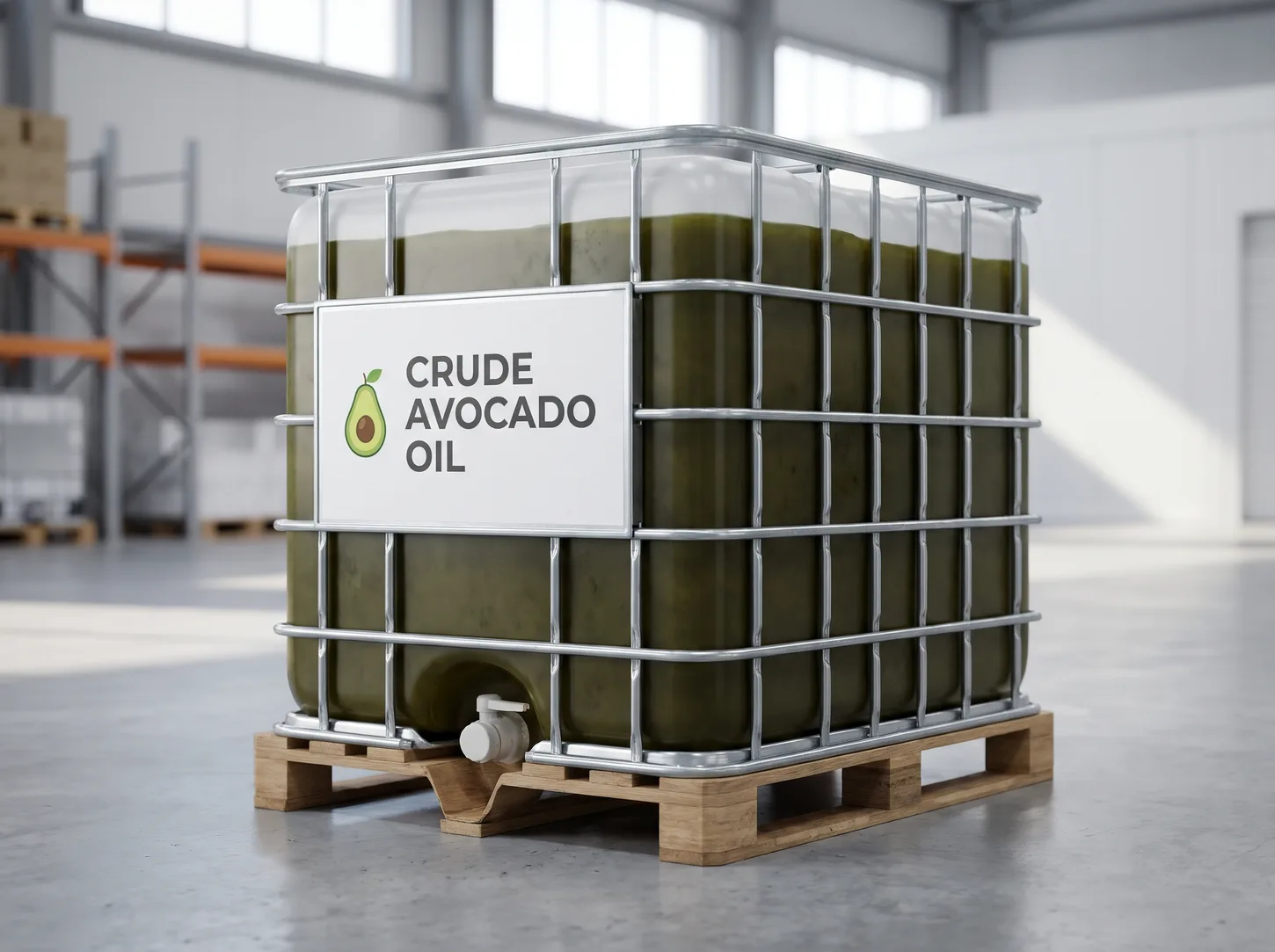
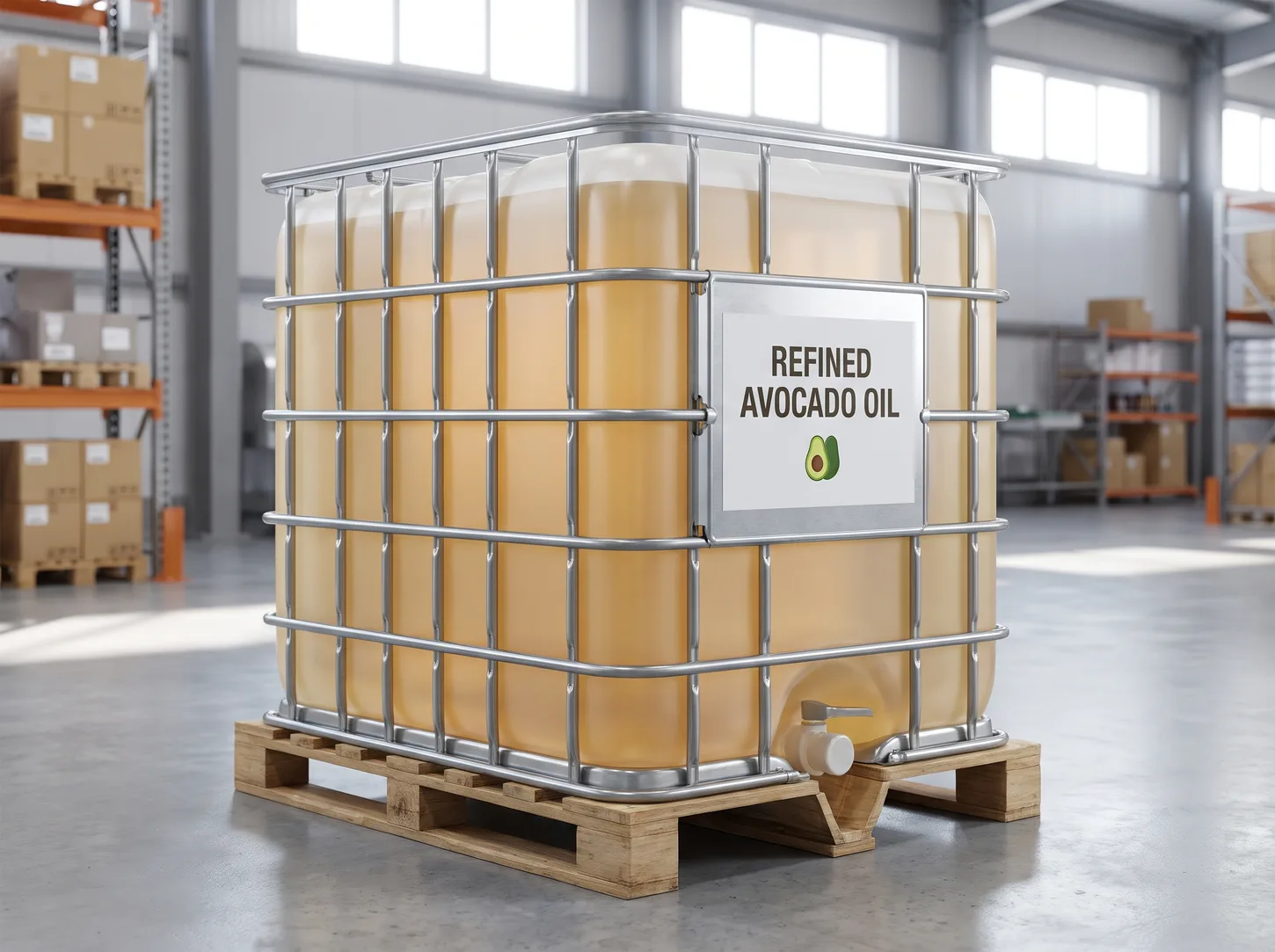
Explore all avocado oil products · Crude avocado oil · Refined avocado oil.