Avocado farming decisions should start with the intended buyer, not just the crop. A grower considering oil processing needs to understand what a factory will accept, how a delivery is recorded and which terms must be settled before fruit leaves the farm. An oil buyer needs a different view: where the fruit comes from, which product is being supplied and what evidence accompanies it.
Imara Avocado Factory connects these interests through its own and partner farms, processing, refining and bottling in Thika, Kenya. This article explains that connection without assuming that every harvest suits every market or that planting avocados guarantees a particular commercial result.
Start with the outlet, not a promise of returns
Before planting or expanding an avocado orchard, establish what prospective buyers need. Variety, fruit condition, delivery arrangements and intended use all belong in that discussion. An outlet for fresh fruit should not automatically be treated as interchangeable with an outlet for oil processing.
For an existing grower, the useful question is not simply whether a factory buys avocados. It is whether your fruit fits its current requirements and whether the proposed delivery makes sense for your farm. Seek locally appropriate agricultural advice before making planting or orchard-management decisions; a factory enquiry does not replace an assessment of your land and growing conditions.
How Imara connects farms with processing
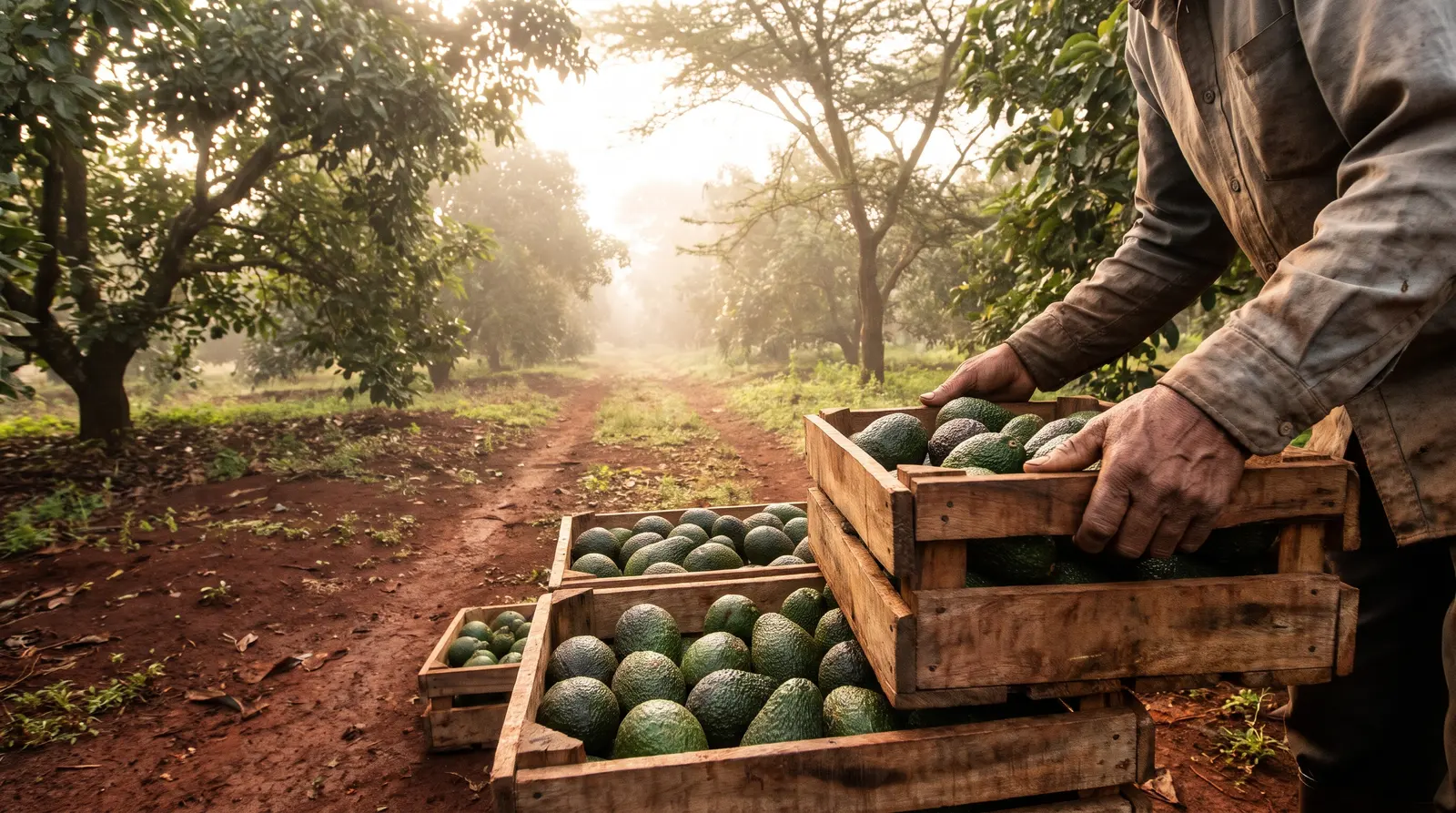
Imara sources from its own farms and partner farms, using Hass and other avocado varieties. That sourcing model connects agricultural supply with an operation that includes crude oil tanks, an RBD refinery and bottling facilities in Thika.
The distinction matters when discussing your harvest. Rather than assuming that only one variety is relevant, tell Imara what you grow and ask how it fits the current sourcing requirement. Equally, the use of several varieties does not mean every consignment will be accepted.
The sourcing page is the starting point for a farm enquiry. Use the conversation to establish suitability before making transport commitments, rather than relying on a general description of avocado oil production.
What to clarify before sending fruit
A useful enquiry describes your farm location, the varieties you grow, the fruit you expect to offer and your proposed delivery arrangements. These details give the discussion a practical basis. They are not a substitute for agreeing the factory’s requirements directly.
Ask which grading requirements apply and how they will be used for your proposed consignment. If you are considering selling avocados to Imara, clarify those points before organising collection or delivery. Do not assume that fruit unsuitable for another outlet is necessarily suitable for processing.
We agree grading, price and payment terms before your first delivery.
Keep the farm enquiry focused on the actual fruit available. A clear description of the consignment is more useful than a broad claim about the quality of avocados from a particular region.
Why intake records matter
At Imara, fruit intake uses a gate weighbridge, and the supplying farm is recorded. Weight and origin are distinct pieces of information: one records the incoming load, while the other identifies the farm associated with it.
For growers, this makes it important to clarify how the supplying farm will be identified when arranging a delivery. For oil buyers, recorded farm intake provides relevant sourcing context, but it should not be confused with the finished oil’s quality documentation.
These records answer different questions. Farm information concerns the incoming agricultural supply; a certificate of analysis concerns the oil lot being purchased. Neither should be presented as a replacement for the other.
Follow the fruit through to the right oil product
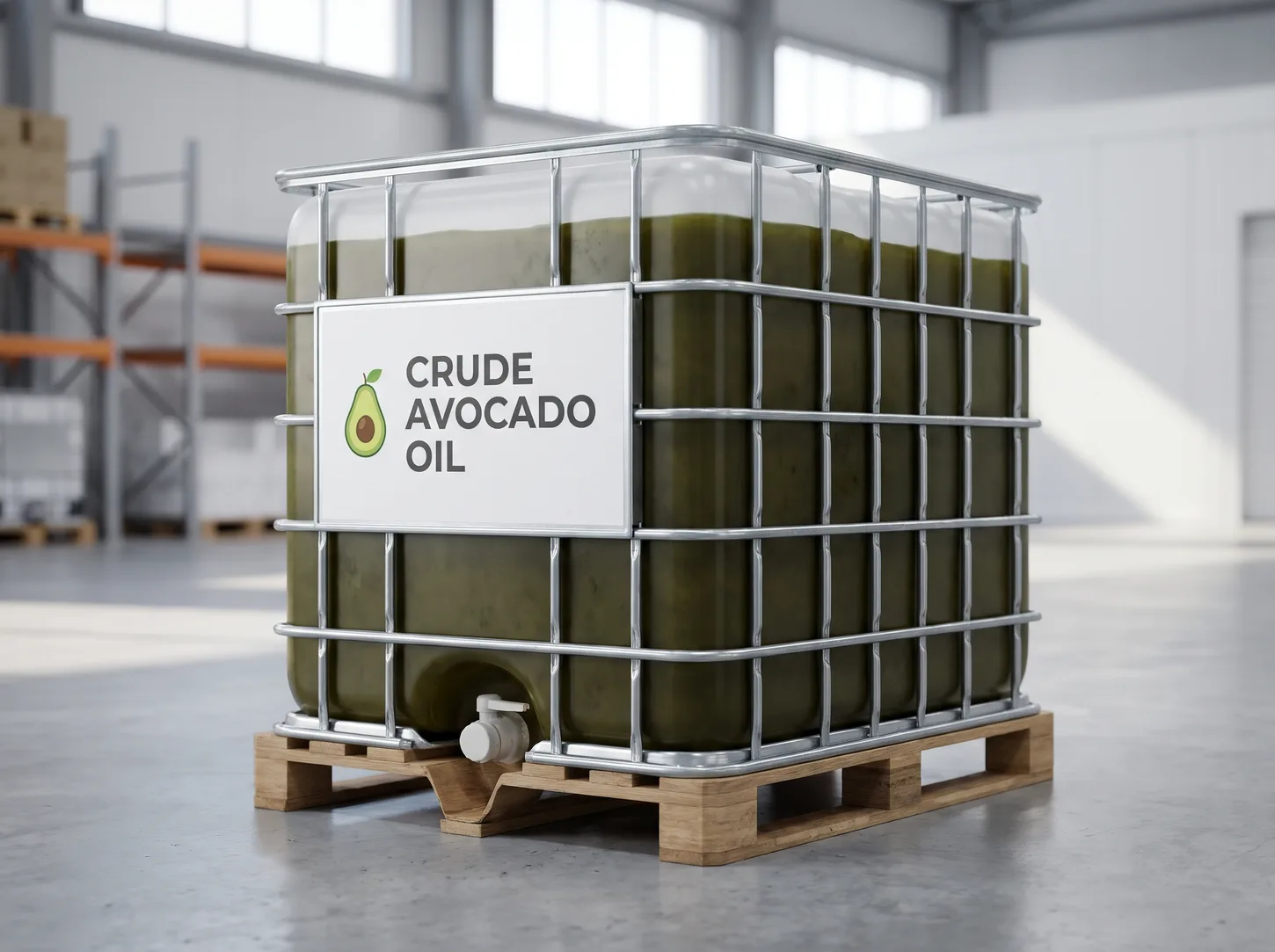
Understanding the finished product helps explain why a factory enquiry differs from a fresh-fruit sales enquiry. Imara’s crude avocado oil is mechanically hot-pressed without solvents. It is a distinct product from oil that has subsequently been refined, and buyers should specify which they require.
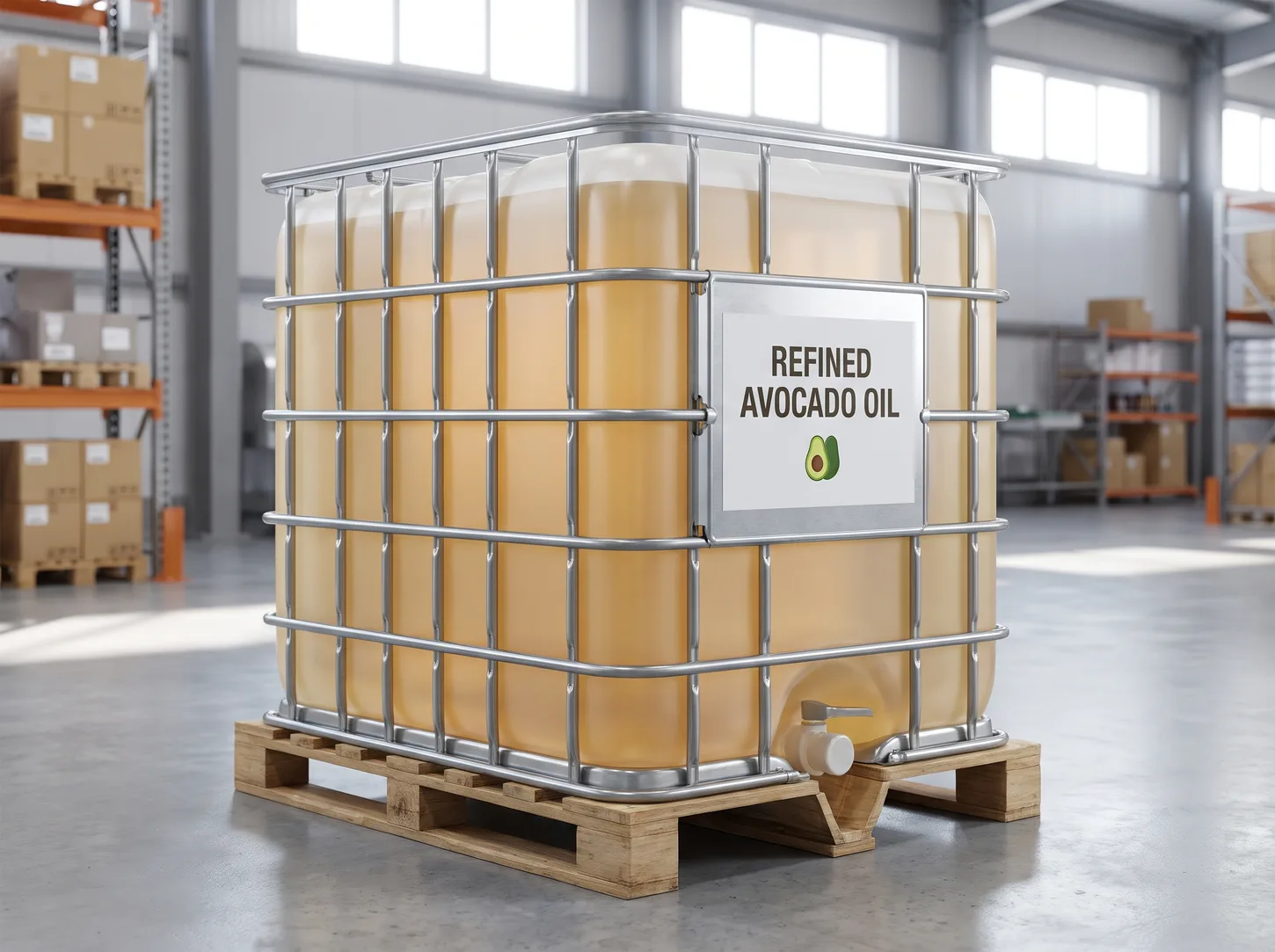
Imara’s refined avocado oil is also made from mechanically hot-pressed oil without solvents and is processed through its own RBD refinery. Extra virgin avocado oil is mechanically pressed and unrefined. These descriptions identify processing differences; they should not be used to promise that a particular farm delivery will become a particular finished product.
For buyers comparing options, the product range brings the categories together. Start with the intended application and required specification rather than choosing solely by origin or product name.
Separate Kenyan origin from quality evidence
Kenyan origin tells a buyer where the supply comes from. It does not, by itself, establish the analytical characteristics of an oil shipment. Procurement decisions should consider both the sourcing account and the documentation for the lot being offered.
Imara provides a certificate of analysis for every lot, with the lot COA prevailing at loading. A retained reference sample is kept, buyer inspection is welcome, and accredited laboratory contaminant testing is available on request. Buyers should discuss any additional testing requirements before committing to an order.
The same care applies to certification language. Imara’s organic certification is in progress. A farm's location or how it describes its growing doesn't make its oil organic.
Match the purchase format to your business
A manufacturer buying an ingredient has different requirements from a retailer planning a bottled range. Before requesting a quotation, identify the oil category, packaging format, documentation needs and delivery basis. This makes the enquiry more useful than a request for “Kenyan avocado oil” alone.
Imara’s wholesale information is relevant to bulk procurement, while private-label avocado oil is the appropriate route for buyers developing their own bottled offer. Available bulk formats include flexitanks, IBCs, drums and ISO tank containers, with export logistics via Mombasa.
For a grower, these downstream formats explain the different markets served by processing. They are not evidence of a guaranteed outlet for any individual harvest.
Make the next enquiry specific
A productive farm conversation starts with the fruit you can offer and the requirements that need agreement before delivery. A productive buying conversation starts with the oil you need and the evidence required to approve it. Keeping those enquiries distinct helps both sides avoid assumptions.
Contact Imara with your farm details or your product requirements, and explain which decisions you need help resolving. Email us
Explore all avocado oil products · Crude avocado oil · Refined avocado oil.
Frequently asked questions
Does Imara source only Hass avocados?
No. Imara sources Hass and other varieties from its own and partner farms. Tell the sourcing team which varieties you grow and confirm current requirements before arranging delivery.
Can fruit rejected by a fresh-fruit buyer go straight to processing?
Do not assume so. Suitability for oil processing must be confirmed against Imara’s requirements. Discuss the fruit’s condition and applicable grading before committing to transport.
What information is recorded at intake?
Imara uses a gate weighbridge and records the supplying farm. Clarify the farm identification details when discussing your proposed delivery.
How can an oil buyer assess a lot before purchasing?
Request the relevant specification and discuss the lot COA, which prevails at loading. A 250 ml sample is available, buyer inspection is welcome, and accredited contaminant testing can be requested.