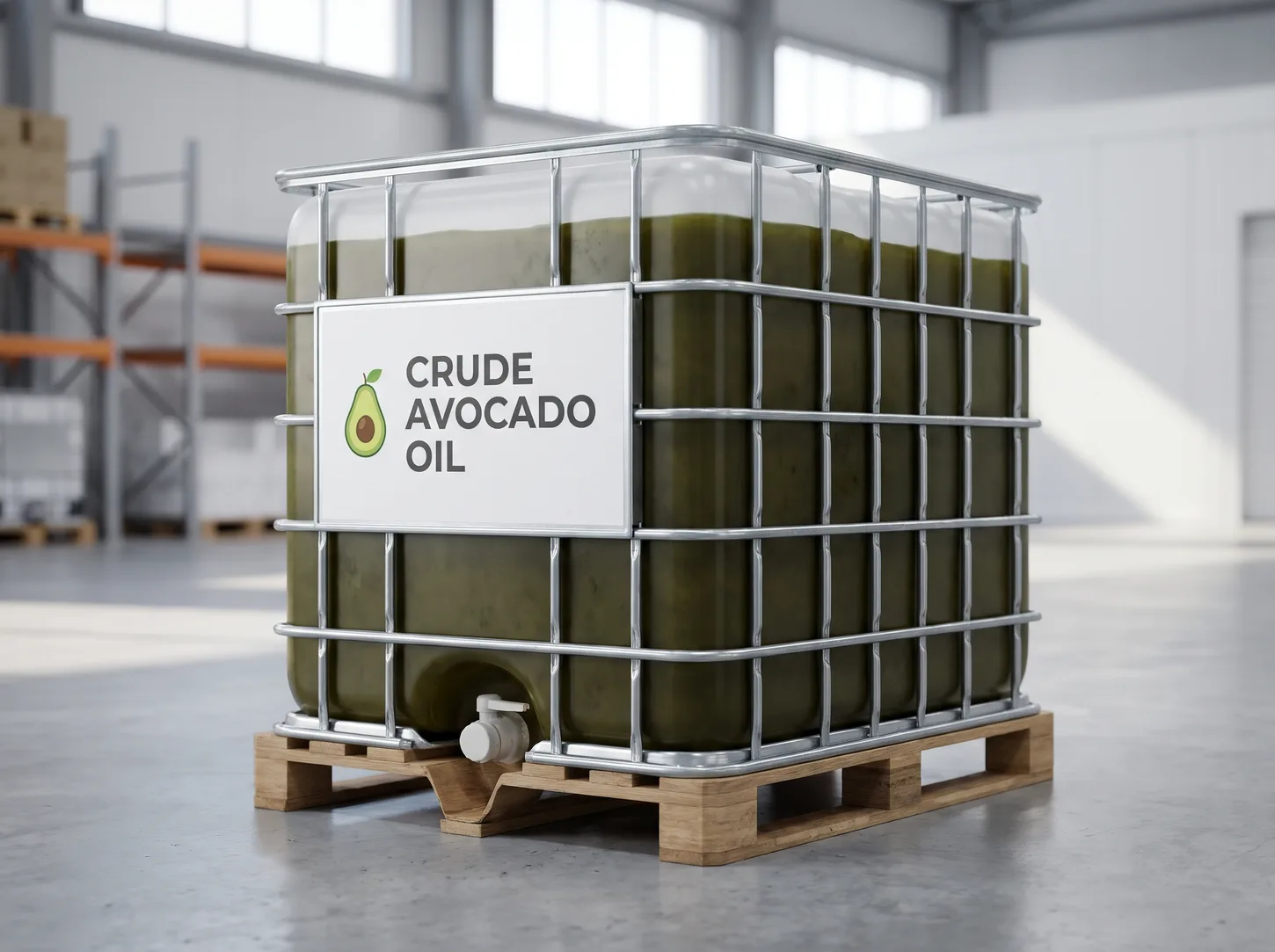
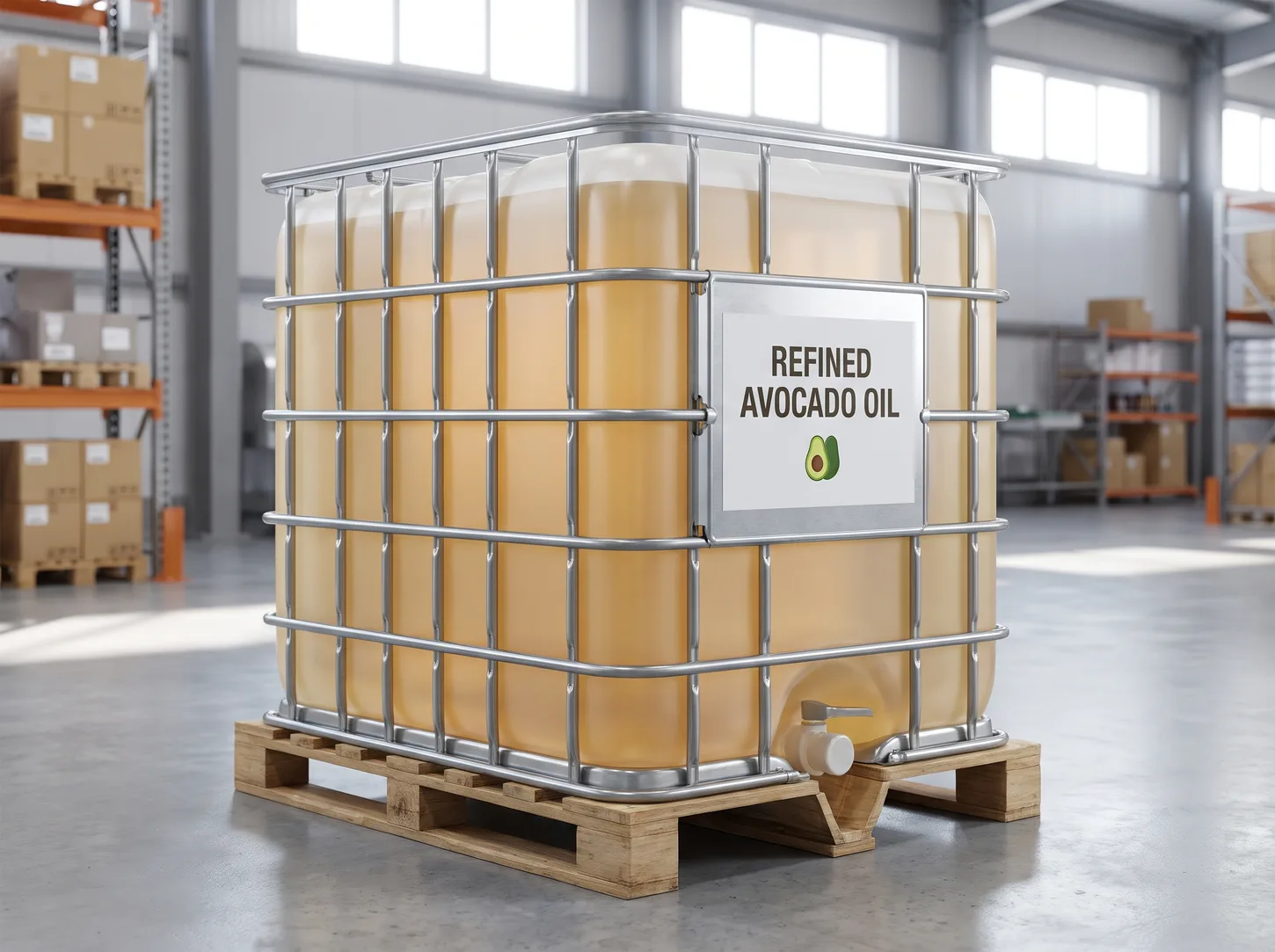
Choose by the job, not by the label: in avocado oil vs olive oil, the fat profiles are very close, so the real differences are taste, colour and how you use each one. Reach for refined avocado oil when you want a neutral oil for frying, roasting and baking, and for extra virgin olive oil or extra virgin avocado oil when you want the oil's own flavour in dressings and dips.
Neither oil is "the winner". Many good kitchens keep both, and the American Heart Association suggests keeping more than one oil for different cooking methods. Here is a fair side-by-side, so you can decide what belongs on your shelf.
Avocado oil vs olive oil at a glance
| Refined avocado oil | Extra virgin avocado oil | Extra virgin olive oil | |
|---|---|---|---|
| Colour | Pale, light yellow | Green | Yellow to green |
| Taste | Mild and neutral | Grassy, buttery | Fruity, often bitter or peppery |
| Best for | Frying, roasting, baking | Dressings, dips, finishing | Dressings, dips, sautéing, baking |
| Lets other flavours lead? | Yes | Less so | Less so |
How the two oils compare on fats
Oil is almost entirely fat, so the question that matters is what kind of fat. USDA FoodData Central lists these figures for each 100 g of oil:
| Per 100 g | Avocado oil | Olive oil |
|---|---|---|
| Energy | 884 kcal | 884 kcal |
| Monounsaturated fat | 70.6 g | 73.0 g |
| Saturated fat | 11.6 g | 13.8 g |
| Polyunsaturated fat | 13.5 g | 10.5 g |
Two things stand out. First, the oils are close: both are mostly monounsaturated fat, and both have the same energy, about 120 kcal a tablespoon. Second, these are typical database values, not a promise for every bottle. Published fatty acid figures for avocado oil vary with the fruit and the study.
The American Heart Association says that replacing saturated and trans fats with monounsaturated and polyunsaturated fats benefits the heart, and it suggests looking for oils with less than 4 g of saturated fat per tablespoon. On the USDA figures, both oils sit well under that, at roughly 2 g per tablespoon. The Association lists olive oil among common healthy cooking oils, and avocado oil among speciality oils that can also be healthy choices.
So on avocado oil vs olive oil and health, we would not call either oil healthier. For both, the sensible step is to use them in place of solid or tropical fats, as part of a balanced diet. It is also fair to say that knowledge of avocado oil's health effects is still limited, as a 2019 review in Molecules notes, so be careful with any strong claim you read about it.
Where they really differ: taste and colour
This is where your choice matters most, because a neutral oil and a characterful oil do different jobs.
Olive oil. Virgin olive oil comes from the olive fruit by mechanical or other physical means, without altering the oil. Extra virgin is a virgin olive oil fit to use as it is. A 2019 study of 100 extra virgin olive oils linked their phenolic compounds to bitter and peppery notes, which is why a good one has so much character. A bottle sold simply as "olive oil" is usually a different thing: the International Olive Council describes it as a blend of refined and virgin olive oils.
Avocado oil. Extra virgin avocado oil is green, with a grassy, buttery taste. Refined avocado oil is bleached and deodorised, which leaves it pale and mild. If you want the full story, read our guide to refined vs unrefined avocado oil.
That gives you a simple rule. If the oil should disappear into the dish, choose refined. If the oil is part of the flavour, choose extra virgin of either fruit.
Which oil for which job
Mayo Clinic suggests avocado oil for browning, roasting and searing, and olive oil for sautéing, baking, dressings and dips. Here is how avocado oil vs olive oil plays out in a Kenyan kitchen:
| Cooking job | Good choice | Why |
|---|---|---|
| Frying chapati or mandazi | Refined avocado oil | Neutral taste lets the dough lead |
| Roasting potatoes or vegetables | Refined avocado oil | Suits oven cooking, no strong flavour |
| Browning onions for sukuma wiki | Refined avocado oil or olive oil | Either works, olive adds some flavour |
| Baking a banana cake | Refined avocado oil | Stays out of the way of the fruit |
| Dressing kachumbari or salad | Extra virgin olive or avocado oil | The oil's flavour is part of the dish |
| Dipping bread or finishing soup | Extra virgin olive or avocado oil | Best tasted uncooked |
Any of these can change with your own taste. A stronger olive oil can be lovely in some baking, for example, and it may be too much in others.
What about standards and labels?
Olive oil has detailed, long-standing grades under Codex Alimentarius, the international food standards body run by FAO and WHO. Avocado oil's place is newer: in November 2024 the Codex Commission agreed to include it in the Standard for Named Vegetable Oils.
For a buyer, the advice is the same for both oils. Read the type on the label, ask what grade you are getting, and buy from a producer who will answer your questions. Our post on how to choose an avocado oil supplier has a checklist.
How Imara can help
We are Imara Avocado Factory in Thika, Kenya. We make crude, refined, extra virgin and organic avocado oil. We source our avocados ourselves, from our own farms and partner farms, and we refine the oil in our own refinery in Thika.
If you want a neutral oil for your kitchen or your menu, start with our refined avocado oil. If you buy for a shop, a kitchen or a brand, we offer the Imara brand from 5 pieces, private label in 250 ml, 500 ml and 1 L, bottle or spray, from 100 bottles per SKU, and bulk from 1 container. See our wholesale page or email us at support@imaraavocados.com.
Frequently asked questions
Is avocado oil healthier than olive oil? We would not say so. On USDA figures, the two are very close: both are mostly monounsaturated fat and both have the same energy. Choose by taste and by the job.
Can I replace olive oil with avocado oil? Yes, you can swap one for the other in the same amount. The dish will taste different if you replace a strong extra virgin olive oil with a neutral refined avocado oil, so taste as you go.
Which is better for frying, avocado oil or olive oil? For a neutral taste, refined avocado oil is the easier choice, and Mayo Clinic lists avocado oil for browning, roasting and searing. Olive oil suits sautéing, and it brings its own flavour.
Should I keep both oils at home? If you cook often, yes. A refined oil for everyday cooking and an extra virgin oil for dressings covers most jobs, and it matches the American Heart Association's suggestion to keep more than one oil.
Sources
- USDA FoodData Central, SR Legacy (April 2026 release): Oil, avocado (FDC 173573); Oil, olive, salad or cooking (FDC 171413).
- American Heart Association. Healthy Cooking Oils.
- Mayo Clinic Staff. Cooking oils: What's healthy and what's not.
- Flores M, Saravia C, Vergara CE, Avila F, Valdés H, Ortiz-Viedma J. Avocado Oil: Characteristics, Properties, and Applications. Molecules. 2019;24(11):2172.
- Pedan V, Popp M, Rohn S, Nyfeler M, Bongartz A. Characterization of Phenolic Compounds and Their Contribution to Sensory Properties of Olive Oil. Molecules. 2019;24(11):2041.
- Codex Alimentarius. Standard for Olive Oil, Virgin and Refined, and for Refined Olive-Pomace Oil (CODEX STAN 33-1981, Rev. 1-1989).
- International Olive Council. Olive oils.
- World Health Organization. 47th session of the FAO/WHO Codex Alimentarius Commission adopts new standards. November 2024.
Explore all avocado oil products · Crude avocado oil · Refined avocado oil.