Avocado oil and olive oil can both earn a place in a working kitchen, but they are not interchangeable in every dish. The useful comparison is not simply avocado against olive: it is refined against unrefined, neutral against distinctive, and cooking oil against finishing oil.
At Imara Avocado Factory in Thika, Kenya, we produce avocado oil from Hass and other avocado varieties. For shoppers, chefs and food buyers, the best choice starts with the result you want on the plate—not a claim that one fruit produces a universally better oil.
Avocado oil and olive oil at a glance
The grade matters as much as the name on the bottle. Refined avocado oil behaves differently from extra virgin avocado oil, just as refined olive oil differs from extra virgin olive oil.
| Buying question | Avocado oil | Olive oil |
|---|---|---|
| What flavour should I expect? | Refined oil is neutral; extra virgin oil has a buttery character. | Extra virgin oil can be fruity, grassy, bitter or peppery; refined grades are milder. |
| Which grade suits unobtrusive cooking? | Refined avocado oil lets other ingredients lead. | A milder refined olive oil may suit dishes where a strong olive flavour is unwanted. |
| What about cooking heat? | Typical smoke points are 250–270°C for refined and about 250°C for extra virgin; these are not specifications. | Heat suitability depends on grade and condition; follow the supplier’s cooking guidance. |
| Where does it work as a finishing oil? | Extra virgin avocado oil adds a buttery note to vegetables, beans and dressings. | Extra virgin olive oil adds its own character to salads, bread and cooked dishes. |
| What should buyers check? | Grade, intended use, storage guidance and available product documentation. | Grade, flavour description, intended use and supplier information. |
Choose flavour before choosing a favourite
Refined avocado oil is useful when the oil should do its job without becoming a noticeable ingredient. In a lemon dressing, it allows the citrus and herbs to dominate. In a cake, it avoids adding a pronounced savoury flavour. It also suits mayonnaise when you want the mustard, vinegar or seasoning to set the character.
Extra virgin avocado oil is a different choice. Its buttery profile can complement warm potatoes, roasted squash or a bean salad. Explore our extra virgin avocado oil if the oil itself should contribute to the finished dish.
Extra virgin olive oil often brings a more assertive flavour, although styles vary considerably. Peppery oil may be exactly right with tomatoes or bread, but less welcome in a delicate dessert. Neither profile is inherently superior: taste the oil alongside the food it will accompany.
Understand smoke point without making it the whole decision
Imara’s refined avocado oil has a typical smoke point of 250–270°C, while extra virgin avocado oil is typically around 250°C. These are indicative characteristics, not guaranteed specifications for every bottle or lot.
Smoke point describes one aspect of cooking performance. It does not tell you how an oil will taste, how it has been stored or whether a pan is being overheated. Food, cooking time and equipment also affect what happens during preparation.
Our refined avocado oil is a practical option for roasting, stir-frying and pan cooking where a neutral flavour is desirable. Extra virgin avocado oil can also be used for cooking, although its flavour may be the main reason to choose it.
Do not dismiss olive oil as suitable only for cold dishes. Its appropriate uses depend on the grade and the producer’s guidance. With either oil, avoid deliberately heating it until it smokes.
Compare fatty acids without declaring a health winner
Avocado oil’s typical fatty-acid profile is predominantly oleic acid. Imara’s indicative ranges are oleic acid 60–75%, palmitic acid 10–20%, linoleic acid 8–14% and palmitoleic acid 2–8%, with linolenic acid at up to 2% and stearic acid at up to 1%.
These figures describe typical composition, not a personalised dietary recommendation or a promise about every batch. For commercial purchasing, the relevant lot documentation takes precedence over a general comparison.
Olive oil is also associated with an oleic-acid-rich profile, but a useful purchasing decision does not require declaring a nutritional winner. Consider the whole diet, the amount used and the meals you actually prepare rather than selecting an oil on a single component.
For advice tailored to your diet or a medical condition, speak to a registered dietitian or another qualified healthcare professional.
Read the grade and processing description
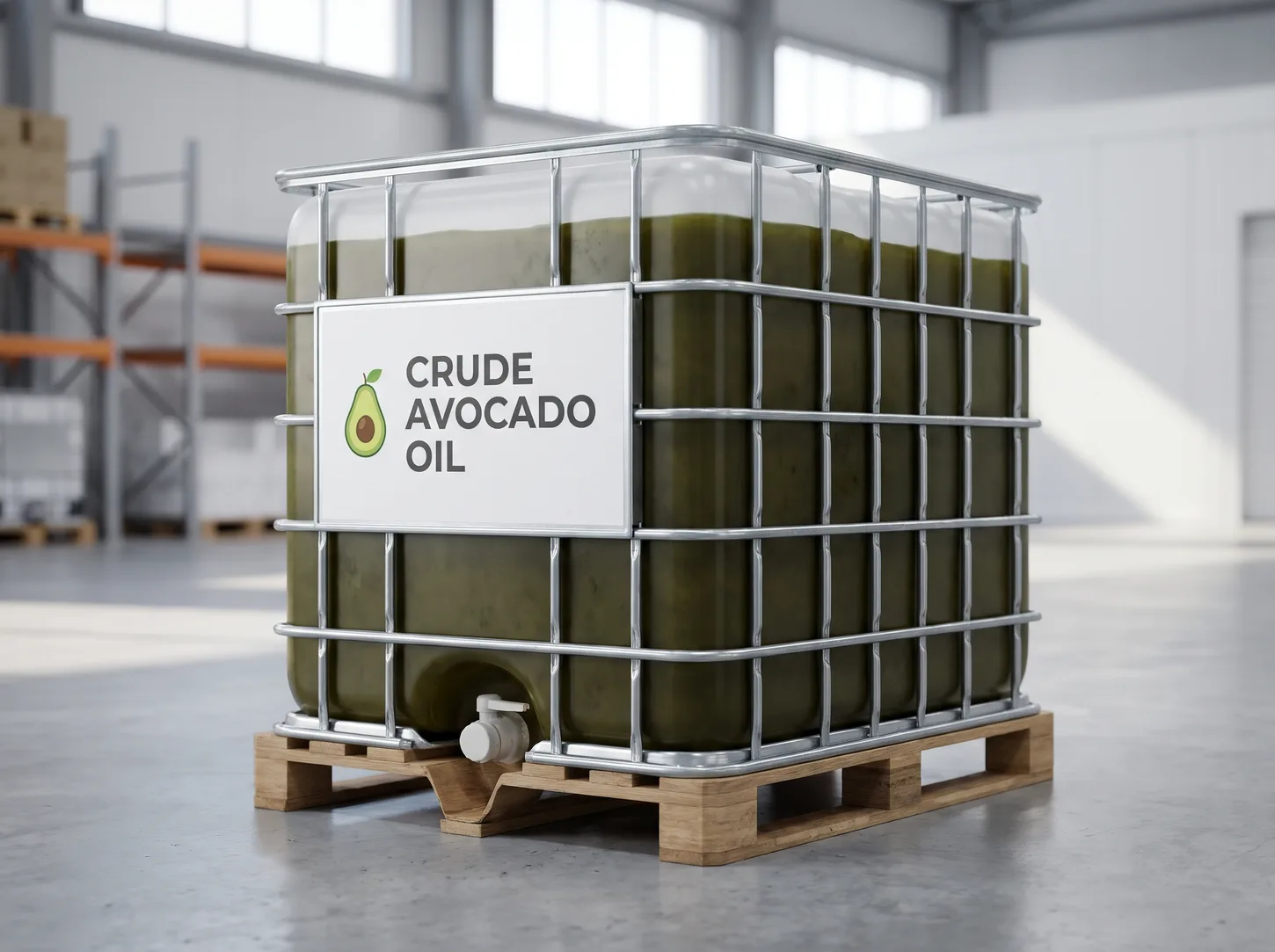
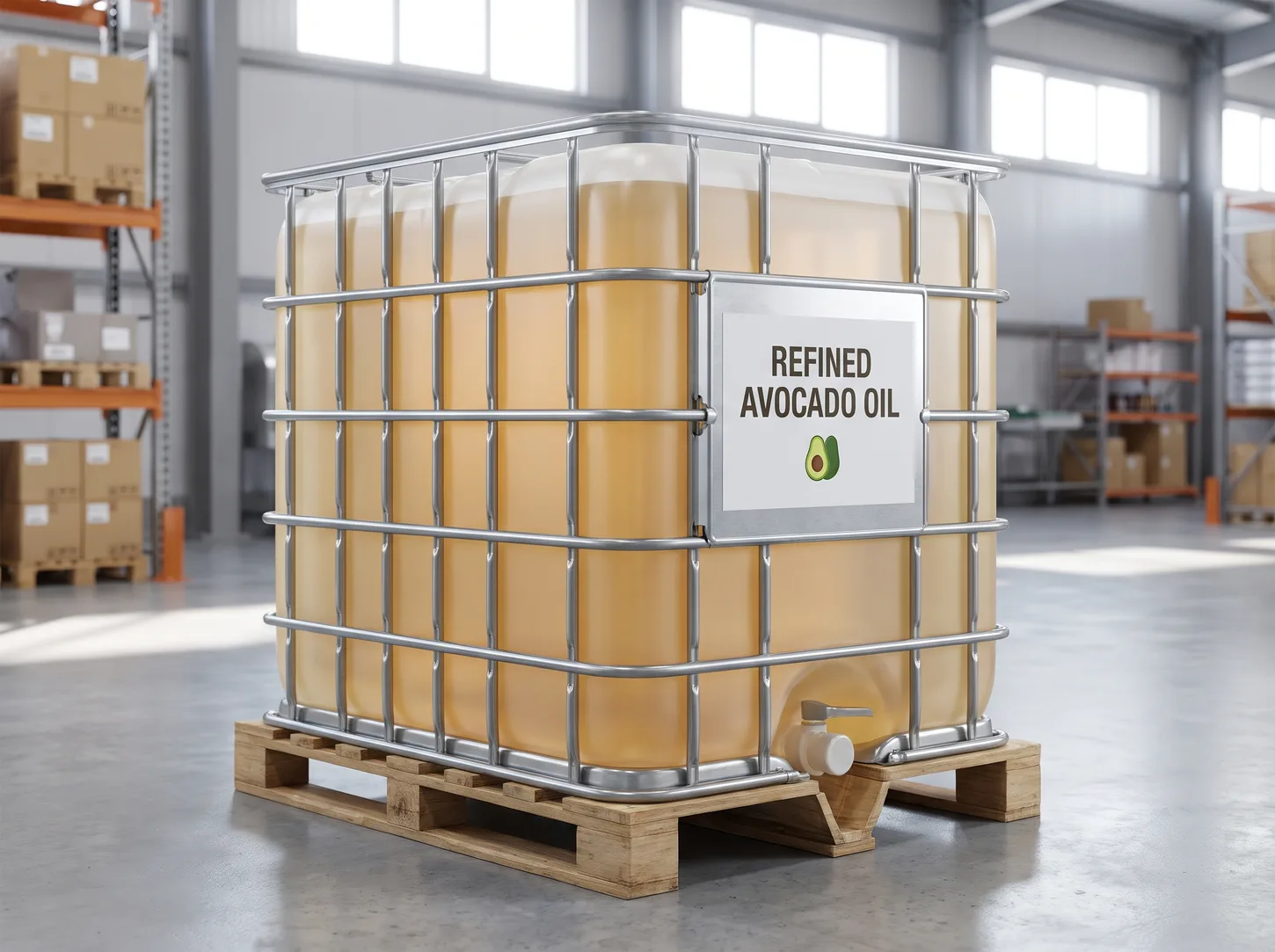
At Imara, crude and refined avocado oils are produced using hot-pressed mechanical extraction without solvents. Refined oil then goes through our own refining, bleaching and deodorising refinery. Extra virgin avocado oil is mechanically pressed and unrefined.
Those distinctions help explain why refined oil is neutral while extra virgin oil retains more flavour character. They also help separate kitchen products from manufacturing inputs: crude oil isn't a stand-in for a finished cooking oil just because it comes from the same fruit.
When comparing olive oils, read the actual grade rather than relying on pictures of olives or broad quality language. Browse Imara’s product range to distinguish cooking, extra virgin, crude and other avocado oil options before requesting a sample or quotation.
Match the purchase to your kitchen or business
For home use, start with the dishes you cook most frequently. A neutral oil makes sense for a kitchen moving between baking, stir-fries and dressings. A distinctive oil is worth choosing when finishing dishes is part of your routine.
For a restaurant, test oils in the same recipe with the same seasoning. Assess flavour both immediately and at serving temperature. A successful bread-dipping oil may not be the best choice for a mayonnaise served alongside delicate fish.
Commercial buyers should also separate flavour approval from supply approval. Imara provides a certificate of analysis for every lot, with the loading COA taking precedence, and retains a reference sample. Buyer inspection is welcome; accredited contaminant laboratory tests are available on request. Our wholesale information and sourcing information provide useful starting points for a supply discussion.
Store well and choose for the dish
Protect avocado oil from light, air and heat, and close the container after use. Refined and extra virgin oil keep for 24 months sealed; an opened bottle kept beside a hot cooker won't last that long. For olive oil, follow the producer’s storage and shelf-life guidance.
Ultimately, refined avocado oil answers the need for neutral flavour and versatile cooking. Extra virgin avocado oil offers a buttery alternative for cooking and finishing. Olive oil remains a distinct flavour choice rather than an opponent to replace.
For help choosing an Imara grade or discussing a sample, Email us.
Explore all avocado oil products · Crude avocado oil · Refined avocado oil.
Frequently asked questions
Can I replace olive oil with avocado oil in a recipe?
Often, yes. Refined avocado oil gives a more neutral result, while extra virgin avocado oil adds buttery character. Expect a noticeable change where olive oil is a defining flavour.
Is extra virgin avocado oil only for dressings?
No. It can be used for cooking as well as finishing. Choose it when its flavour suits the dish, rather than assuming an unrefined oil must be used cold.
Which oil is better for mayonnaise?
Refined avocado oil suits mayonnaise where the seasoning should lead. Extra virgin olive oil creates a more distinctive result, which may or may not suit the accompanying food.
Can I sample Imara avocado oil before ordering?
A 250 ml sample is available. Specify the grade and intended use so you can evaluate the relevant oil in your own recipe or product.