Avocado oil production is not a single process with a single finished product. Mechanical extraction produces oil from the fruit; what happens afterwards determines whether the buyer receives crude oil for further processing, refined oil for a more neutral result, or extra virgin oil supplied unrefined.
At Imara Avocado Factory in Thika, Kenya, that distinction matters more than romantic descriptions of pressing. A refinery buyer, a bottled cooking-oil brand and a cosmetic formulator need different things from the same crop. Understanding the route from fruit intake to finished oil helps you request the right grade, packaging and supporting documents.
Fruit intake starts with a recorded origin
Imara sources avocados from its own and partner farms, using Hass and other varieties. At the factory gate, fruit is weighed on the weighbridge and the supplying farm is recorded. These records connect incoming fruit to its source and establish the quantity received.
For buyers, this is a useful starting point for questions about origin. “Made in Kenya” identifies the country, but a recorded farm provides a more specific sourcing reference. Our sourcing information gives prospective suppliers and buyers a place to begin that discussion.
Fruit origin alone does not establish the finished oil’s specification. The grade, processing route and lot analysis still need to match the intended use.
Mechanical pressing produces crude oil
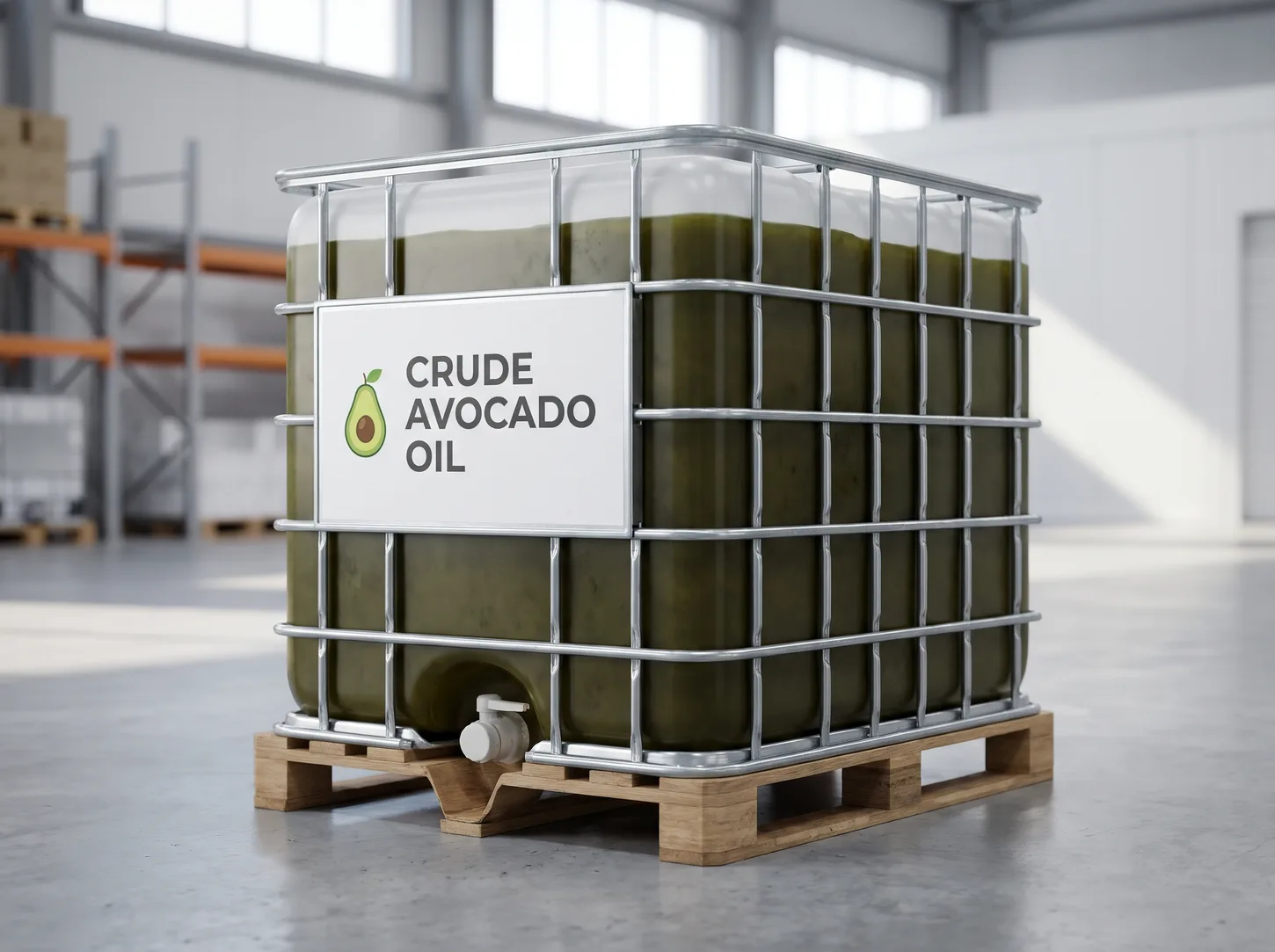
Imara’s crude avocado oil is produced by hot mechanical pressing, without solvents. Mechanical extraction uses physical force to release oil from the fruit rather than a solvent extraction route. The word “crude” describes its unrefined status: it has not yet passed through the refining stages used to make a more neutral oil.
That makes crude avocado oil a processing input, not simply another name for extra virgin oil. Buyers should not assume that an unrefined product automatically meets a particular retail or formulation brief.
Imara has its own crude storage tanks. For crude Hass oil, the free fatty acid limit is no more than 5.0%. This is one purchasing parameter, not a complete description of quality. A buyer also needs the lot’s certificate of analysis and an agreed destination for the oil, whether further refining or another suitable industrial application.
Refining changes the oil’s working characteristics
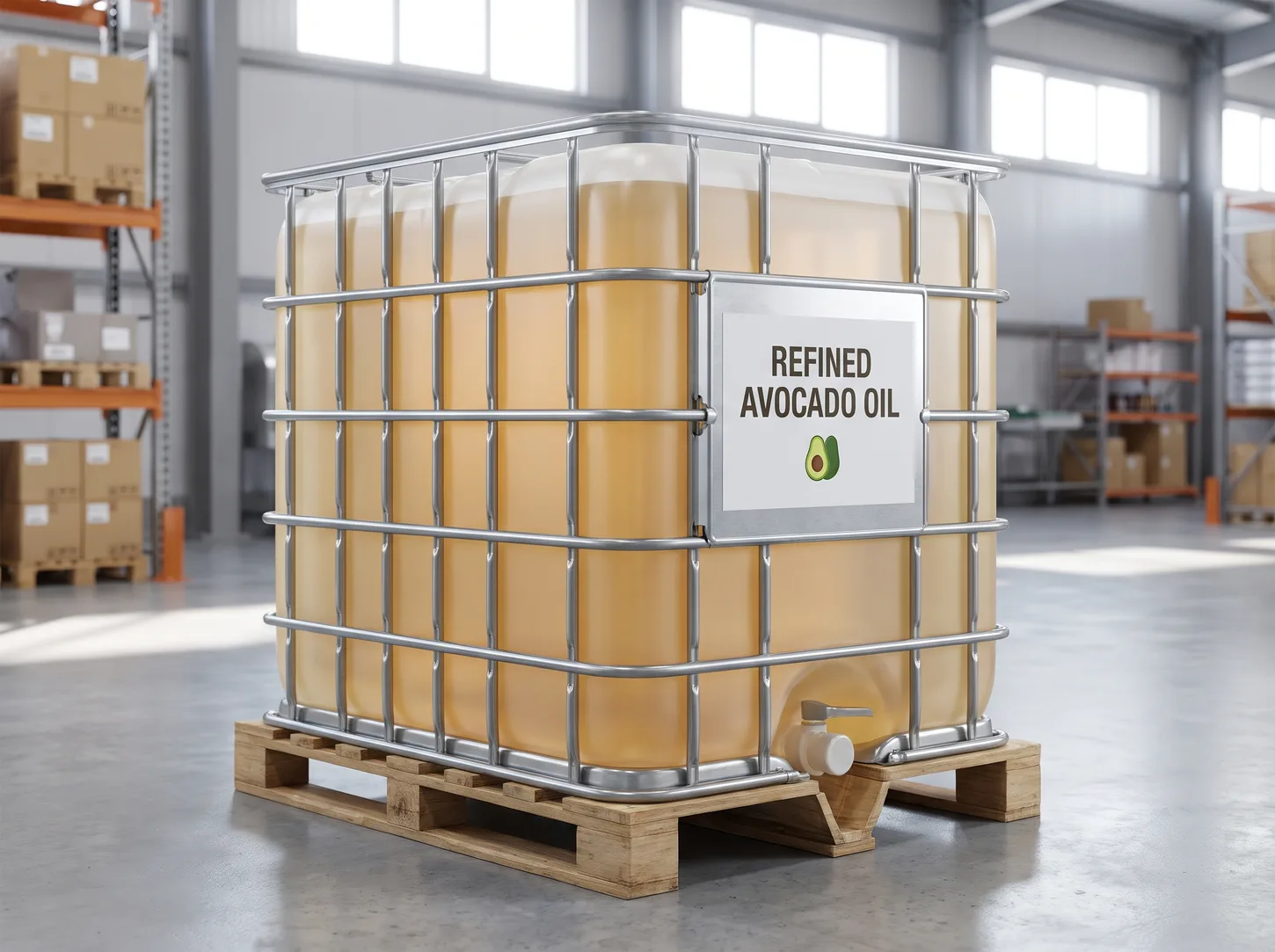
Imara operates its own RBD refinery. RBD stands for refined, bleached and deodorised: a sequence intended to produce oil with more controlled acidity, colour and odour than the crude starting material.
Neutralisation reduces free fatty acids. Bleaching reduces colour-associated components and other unwanted constituents; in oil processing, the term does not mean adding household bleach. Deodorisation reduces volatile compounds responsible for odour and flavour. These stages explain why refined oil behaves differently in a recipe or formulation from an oil valued for its fruit character.
Imara’s refined avocado oil comes from hot-pressed, mechanically extracted oil, without solvents. Its free fatty acid limit is no more than 0.1%.
For a food manufacturer, a more neutral oil can be useful where avocado flavour would compete with seasonings or other ingredients. For a formulator, controlled sensory characteristics can make it easier to assess the oil within a finished product. Neither application removes the need for trials against the buyer’s own requirements.
What winterisation adds to RBDW
Some purchasing briefs refer to RBDW rather than RBD. The additional letter means winterised. Winterisation is used to remove components that can crystallise or cause cloudiness as oil becomes cooler.
This distinction is particularly relevant when appearance in a clear bottle matters. A buyer concerned about clarity under cooler storage conditions should ask specifically about winterisation rather than assume that every refined oil has received it.
RBD and RBDW are therefore not interchangeable descriptions. Discuss the required finish with our refinery team, including the conditions in which the oil will be stored and displayed. Winterisation requirements should be confirmed in the agreed product specification; they should not be inferred from the word “refined” alone.
Extra virgin follows a different product brief
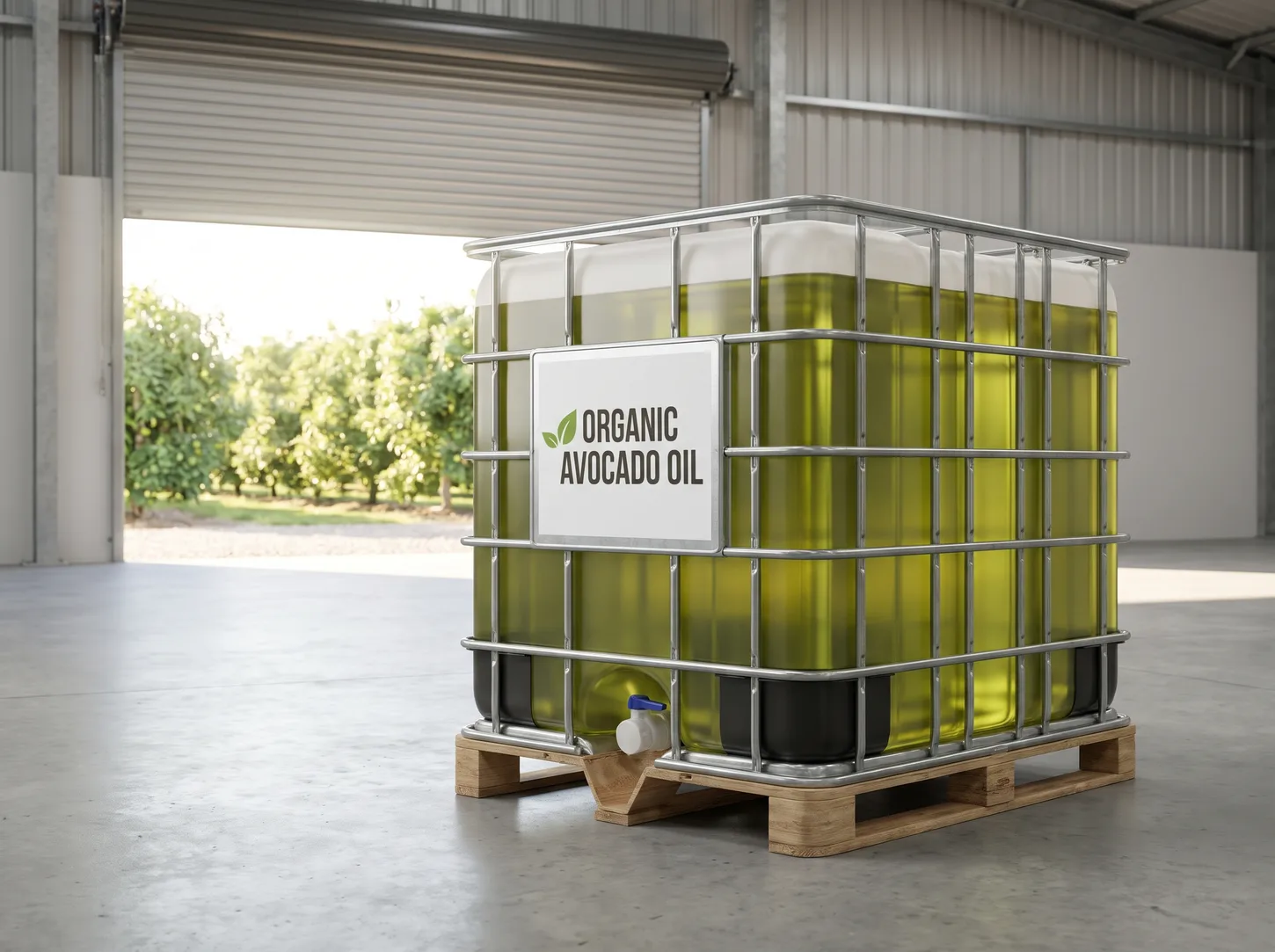
Imara’s extra virgin avocado oil is mechanically pressed and unrefined. Its free fatty acid limit is no more than 0.8%. It should be considered as its own grade, rather than treated as crude oil with a different label.
For a buyer developing dressings, finishing oils or a retail product where the oil’s own character matters, extra virgin is a sensible grade to evaluate. Refined oil is the more relevant comparison when the brief calls for a neutral ingredient. The choice is about the intended result, not a blanket ranking of one grade above another.
A 250 ml sample is available for evaluation. Use it in the actual recipe or formulation wherever possible. Seek advice from a qualified nutrition professional for individual dietary needs, or an appropriate skin or hair-care professional when assessing personal suitability.
Read the lot documents, not just the grade name
Imara provides a certificate of analysis for every lot, and the COA at loading prevails. A retained reference sample supports the lot record, buyer inspection is welcome, and accredited laboratory contaminant testing is available on request.
Free fatty acidity is useful when comparing the stated grade limits, but it is not a substitute for the full purchasing specification. Buyers should identify which analytical and sensory requirements matter for their application before placing an order.
The product range is the starting point for selecting a grade. The COA then supplies the lot-specific evidence needed to assess it. If your approval process requires additional testing, raise that requirement during the buying discussion rather than assume every possible test is included as standard.
Packaging and storage complete the buying decision
Imara offers bulk oil in flexitanks, 1,000 L IBCs, 200 L drums and ISO tank containers. The bulk minimum is one flexitank of approximately 23 tonnes. These formats suit different receiving arrangements, so buyers should check their unloading and storage facilities before choosing packaging.
For retail projects, private-label avocado oil is available in glass and spray formats in 250 ml, 500 ml and 1 L sizes, with a minimum of 100 bottles per SKU. Imara also has its own bottling operation.
Protect oil from light, air and heat. Store crude oil at 15–25°C. Packaging choice should support those storage needs, not merely the appearance of the finished range.
Turn the process into a clear enquiry
A useful enquiry states the required grade, intended application, quantity, packaging and delivery basis. Imara offers EXW Thika and FOB Mombasa, with CFR or CIF available on request. Our wholesale information helps buyers distinguish bulk supply from bottled orders.
Start with what the oil must do, then confirm the processing description and specification that support that purpose. That is a firmer basis for purchasing than choosing by colour, terminology or an extraction story alone.
Explore all avocado oil products · Crude avocado oil · Refined avocado oil.
Frequently asked questions
Is crude avocado oil the same as extra virgin?
No. Crude describes an unrefined processing grade. Imara’s extra virgin oil is mechanically pressed, unrefined and supplied to its own grade requirements. The names should not be used interchangeably.
Does Imara use solvents to extract crude avocado oil?
No. Imara produces crude oil by hot mechanical pressing without solvents. Its refined oil is made from this mechanically extracted starting material.
Does refined avocado oil always mean winterised?
No. RBD means refined, bleached and deodorised. RBDW additionally identifies winterisation. Confirm that requirement in the specification if cooler-condition clarity matters to your product.
Can buyers check the oil before a bulk order?
A 250 ml sample is available, and buyer inspection is welcome. Every lot has a COA; accredited laboratory contaminant testing can also be requested.