To choose a reliable avocado oil supplier, check four things before you sign: that the oil is made to an agreed grade and specification, that the supplier controls its sourcing and processing, that it holds the export registrations your market needs, and that its shipping and payment terms are clear in writing. A good avocado oil supplier will answer each of these questions openly, before you place your first order.
Whether you are buying bulk oil for a food factory, oil for a cosmetic line, or bottles for your own brand, this checklist will help you compare suppliers on facts rather than promises.
Why choosing an avocado oil supplier needs care
Avocado oil quality can vary widely from one product to the next. Researchers at the University of California, Davis tested 36 private label avocado oils bought from 19 retailers in the United States and Canada. They found that only 31% of the samples were pure, and only 36% were of the quality advertised; nearly 70% were rancid or mixed with other oils. The study also found that lower-priced oils were more likely to be adulterated, but that high cost did not guarantee purity or quality.
The lesson for buyers is simple: the brand on the bottle is only as good as the supplier behind it. If you sell oil under your own label, your customers will judge your name, not your supplier's.
Step 1: Agree the grade and the specification
Start by being clear about which oil you need. Avocado oil is sold in several grades:
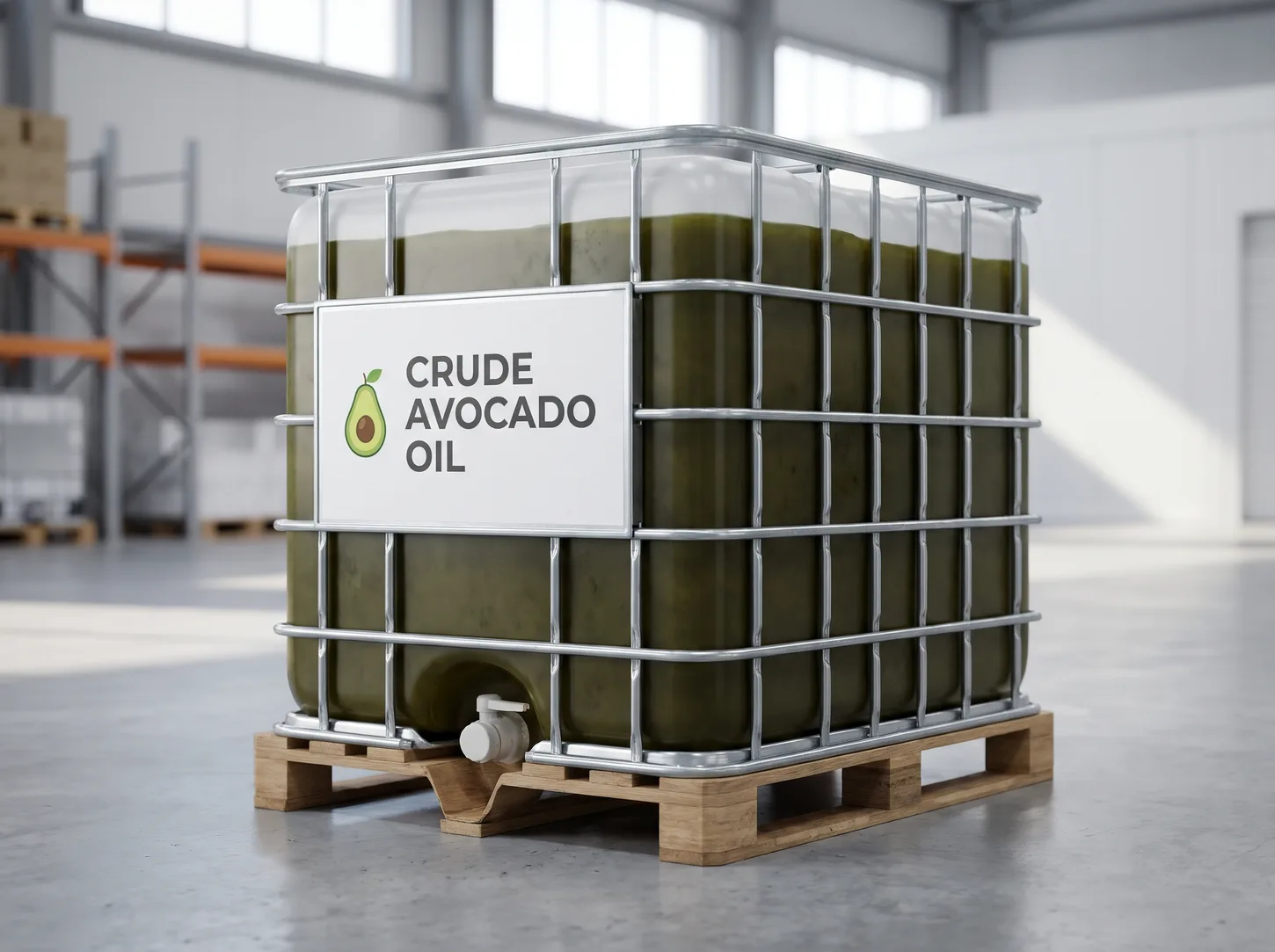
- Crude – the oil as it comes from the fruit, before refining. Usually bought by refiners and some industrial users.
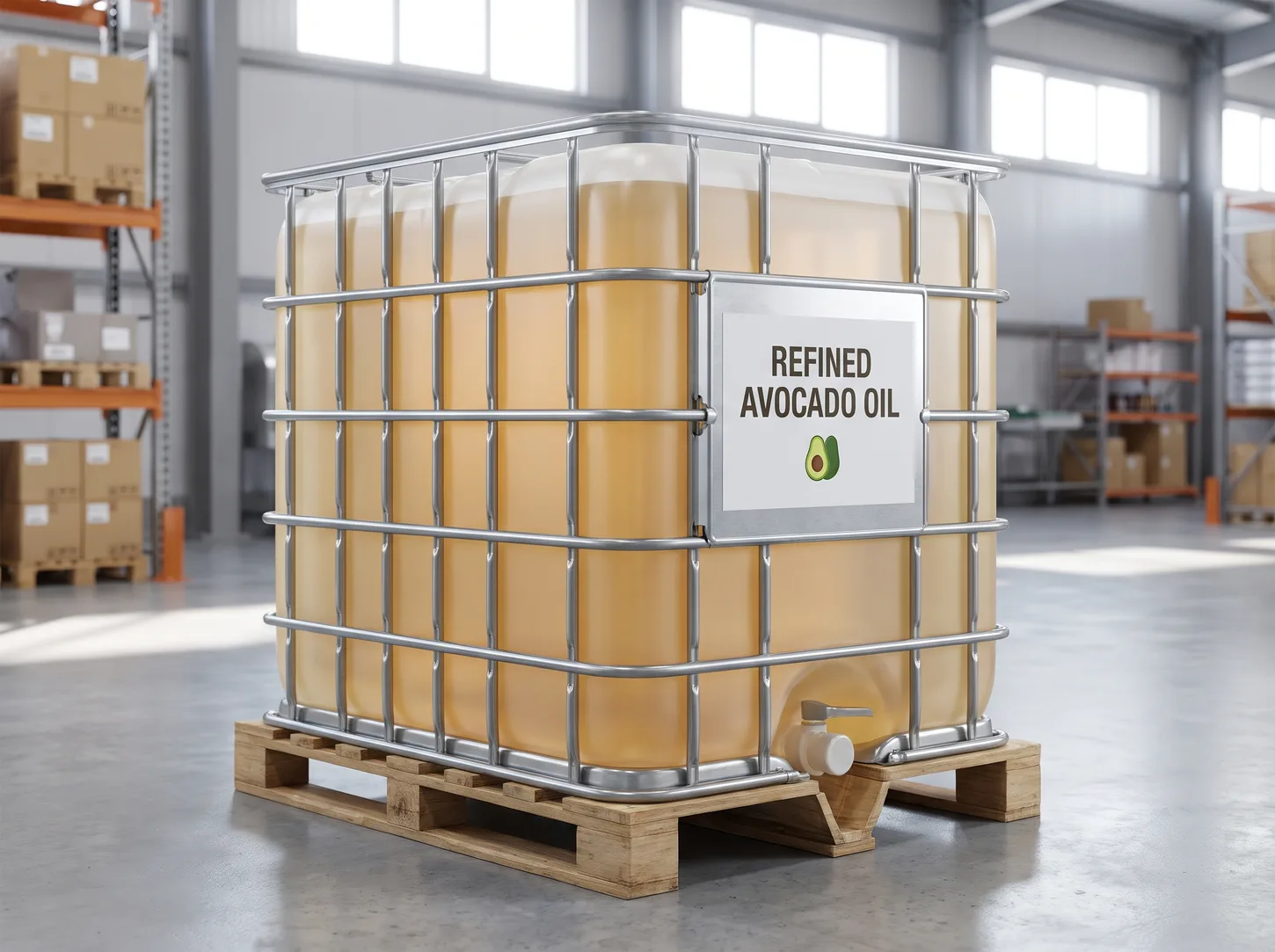
- Refined – processed to be mild in taste and light in colour, for everyday cooking and food manufacturing.
- Extra virgin – unrefined oil with the colour and flavour of the fruit, for dressings and finishing.
- Organic – made from organically grown avocados, with certification.
- Cosmetic grade – oil supplied for skin and hair products.
Then write a specification into your contract. Since November 2024 there has been an international reference point: the Codex Alimentarius Commission, the joint FAO/WHO food standards body, agreed to include avocado oil in its Standard for Named Vegetable Oils (CXS 210-1999), setting science-based quality, purity and food safety criteria for the product. Ask your supplier to confirm that its oil meets the parameters you agree, and ask for laboratory results for the lot you are buying.
Step 2: Check where the avocados and the oil come from
A supplier that controls more of its own chain can usually answer more of your questions. Ask:
- Where are the avocados grown, and who grows them?
- Does the supplier press its own crude oil, or buy it in from others?
- Does it refine the oil itself, or send it to a third party?
- Can it trace a lot of oil back to the fruit it came from?
A trader that buys finished oil from many sources is not always a problem, but it adds steps you cannot see. The fewer hands the oil passes through, the easier it is to know what you are buying.
Step 3: Ask for the right registrations for your market
Each import market has its own rules, and your supplier should already meet the ones that apply to you. Two examples:
- United States: under the FDA's Foreign Supplier Verification Program (FSVP), importers must analyse the hazards of each food they import and evaluate the performance of their foreign supplier, including its compliance record. In practice, your supplier should be ready to share the documents you need to do this.
- China: since 1 January 2022, overseas manufacturers of food for China, including edible oils and fats, must be registered with the General Administration of Customs of China (GACC) before they export.
If you are buying organic oil, ask to see the organic certificate and check that it covers the product you are buying. Ask about any export licence the supplier needs in its own country, too.
Step 4: Check how bulk oil is stored and shipped
For bulk orders, how the oil travels matters as much as how it was made. The Codex Code of Practice for the storage and transport of edible fats and oils in bulk (CAC/RCP 36-1987) gives useful guidance to ask about:
- Stainless steel is the preferred material for tanks, and copper and its alloys should be kept away from the oil, because they speed up oxidation.
- Tanks, pipes and valves should be clean and fully dry before oil is loaded, because water and residues damage oil quality.
- For ships' tanks, previous cargoes should be on the Codex list of acceptable previous cargoes, and the last three cargoes should be declared.
- Inert gas blanketing is recommended for high-quality products and long storage.
Ask your supplier what it ships in (for example flexitanks or ISO tanks), and how it keeps the oil clean and dry on the way.
Step 5: Get the trade terms in writing
Clear terms prevent most disputes. Agree these before you pay:
- Incoterms: the International Chamber of Commerce's Incoterms rules set out the roles of buyer and seller, the point of delivery and when risk passes. Under EXW, the seller makes the goods available at its premises. Under FOB, the seller delivers the goods on board the vessel at the named port, and risk passes then. Under CFR, the seller also pays the freight to the destination port; under CIF, it also buys minimum insurance cover.
- Minimum order: for bulk, packaged and private label orders.
- Payment terms: deposit, balance, and any credit period.
- Documents: commercial invoice, packing list, laboratory results, certificate of origin and any certificates your market asks for.
Avocado oil supplier checklist
| Question to ask | Why it matters |
|---|---|
| Which grades do you make, and to what specification? | You get the oil you paid for |
| Can you share lab results for my lot? | Confirms quality and purity |
| Where do the avocados come from? | Traceability |
| Do you press and refine the oil yourselves? | Fewer unknown steps |
| Which export registrations do you hold? | Your shipment can clear customs |
| What do you ship bulk oil in? | Protects the oil in transit |
| Which Incoterms do you offer? | Clear costs and risk |
| What are your minimum orders and payment terms? | No surprises at the order stage |
How Imara can help
At Imara Avocado Factory in Thika, Kenya, we work across the chain. We source our avocados ourselves, from our own farms and partner farms. We make most of our crude oil ourselves, especially for specialised orders, and we refine it in our own refinery in Thika. We transport it in our own ISO tanks.
We make crude, refined, extra virgin and organic avocado oil. We hold an AFA export licence (Kenya) and China GACC registration, and our organic avocado oil is certified.
- Bulk: from 1 container (23 t, one flexitank).
- Private label: 250 ml, 500 ml and 1 L, bottle or spray, from 100 bottles per SKU.
- Trade terms: EXW Thika, with FOB, CFR or CIF on request. New buyers pay 50/50; credit of up to 60–90 days is possible by agreement.
See our wholesale avocado oil options, or contact us with your grade, volume and destination.
FAQ
What should I ask an avocado oil supplier first? Ask which grade and specification the oil is made to, and whether the supplier can share laboratory results for the lot you are buying.
Is there an international standard for avocado oil? Yes. In November 2024 the Codex Alimentarius Commission agreed to include avocado oil in its Standard for Named Vegetable Oils (CXS 210-1999).
Does a higher price mean purer oil? Not necessarily. In UC Davis testing, low-cost oils were more likely to be adulterated, but high cost did not guarantee purity or quality.
What does EXW mean when buying avocado oil? Under EXW, the seller makes the goods available at its premises or another named place, and the buyer arranges the rest of the journey.
Do I need a GACC-registered supplier to sell avocado oil in China? Overseas manufacturers of edible oils and fats for China must be registered with GACC before exporting, under rules in force since 1 January 2022.
Sources
- University of California, Davis, College of Agricultural and Environmental Sciences – study of private label avocado oils (Wang and Green, Food Control).
- World Health Organization – 47th session of the FAO/WHO Codex Alimentarius Commission adopts new standards (25–30 November 2024).
- Codex Alimentarius – Code of Practice for the Storage and Transport of Edible Fats and Oils in Bulk (CAC/RCP 36-1987), as published by FOSFA.
- U.S. Food and Drug Administration – FSMA Final Rule on Foreign Supplier Verification Programs (FSVP): Key Requirements.
- Morgan Lewis – China issues stricter regulations on imported food (GACC Decrees 248 and 249).
- International Chamber of Commerce – Incoterms® 2020 introduction; Kuehne+Nagel – Incoterms explained.