A good private label avocado oil brief answers eight things before you write to a maker: the grade of oil, the bottle size, the format, how many bottles per product, your label artwork, the market you will sell in, the delivery term and how you plan to pay. It also names who on your side signs off the label. If your first email covers these, a maker can reply with a clear offer instead of a list of questions.
Below is the checklist we would like every buyer to have, with notes on why each line matters. You can copy it straight into your first email.
Why a private label avocado oil brief saves time
Private label (also called white label avocado oil) means the oil is made and bottled by one company and sold under another company's brand. The maker handles the oil and the filling; you own the brand, the label and the customer.
Many delays in a first enquiry come from missing details. A short brief helps the maker check fit early, quote the right grade and format, and tell you what they need from you. It also helps you compare offers like for like.
The private label avocado oil checklist
| Brief item | What to decide | Why it matters |
|---|---|---|
| 1. Grade | Refined, extra virgin or organic; for food or for cosmetics | Grade drives taste, colour, use and paperwork |
| 2. Bottle size | 250 ml, 500 ml or 1 L | Sets label size, carton size and shelf price point |
| 3. Format | Bottle or spray | Spray suits portion control; bottle suits pouring |
| 4. Volume per SKU | Bottles per size and grade | Makers set a minimum per SKU |
| 5. Label artwork | Your design, or a design brief | Artwork must fit the bottle and the market's rules |
| 6. Destination market | Country and sales channel | Each market has its own label rules |
| 7. Delivery term | The Incoterm you want | Shows who pays freight and who carries risk, and where |
| 8. Payment | Deposit and balance | Lets the maker issue a proforma invoice |
1. Grade: what is going in the bottle?
Start with the oil: refined, extra virgin or organic. Each has its own taste, colour and uses, so choose the one that fits your product and your customers. Also say whether the oil is for food or for cosmetics, because the maker will prepare it and its paperwork for that use.
2 and 3. Bottle size and format
Pick the size or sizes you want to launch with and say whether you want a bottle or a spray. We have written a separate guide on choosing a bottle size and format, so here we only note that it is easier to launch with one or two sizes and add more once your first stock sells.
4. Volume per SKU
A SKU is one product line, for example "extra virgin, 500 ml bottle". Makers usually set a minimum number of units per SKU, because each one means a separate label run and filling set-up. Tell the maker how many bottles you want of each SKU for the first order, and roughly how often you expect to reorder.
5. Label artwork
Say whether you already have finished artwork, or only a logo and a colour idea. Ask the maker for the label size for your chosen bottle before your designer starts. Then make sure the label carries the information your market requires (see the next step).
6. Destination market and label rules
Name the country where the bottles will be sold, and the channel (supermarkets, online, salons, restaurants). Label rules depend on the market, so this is one of the most useful lines in your brief.
As a starting point, the Codex General Standard for the Labelling of Prepackaged Foods lists the mandatory items for packaged food labels. It includes:
- the name of the food;
- the list of ingredients (not needed for single-ingredient foods);
- the net contents;
- the name and address of the manufacturer, packer, distributor, importer, exporter or vendor;
- the country of origin, where leaving it out would mislead the consumer;
- lot identification;
- date marking and storage instructions;
- instructions for use, where needed.
National rules build on this. For example, a Mississippi State University Extension guide to US food labelling lists the product name, ingredient list, allergen labelling where it applies, net quantity, the manufacturer's name and address, and nutrition labelling (unless the product is exempt). It also notes that the US net quantity must be stated in both metric and US customary units. Cosmetic products follow their own rules again. Check the final label with your importer or a labelling adviser in your market; the brand owner should sign off the text before printing.
7. Delivery term (Incoterm)
Incoterms are standard trade terms published by the International Chamber of Commerce. They set out the tasks, costs and risks that the seller and the buyer each carry in an international sale. The US International Trade Administration lists the rules, including EXW (Ex Works, at a named place of delivery) and FOB (Free on Board, at a named port of loading), which is one of the rules for sea and inland waterway transport. Say which term you prefer and the named place or port. If you already have a freight forwarder, mention them.
8. Payment
Say how you plan to pay, for example a deposit and a balance, so the maker can prepare a proforma invoice. Our own terms are in the "How Imara can help" section below.
A copy-and-paste brief template
Private label avocado oil brief
- Company and contact:
- Grade: refined / extra virgin / organic — for food or cosmetics:
- Size(s): 250 ml / 500 ml / 1 L
- Format: bottle / spray
- Bottles per SKU (first order):
- Expected reorder frequency:
- Label artwork: ready / logo only / need help
- Destination country and sales channel:
- Preferred Incoterm and named place or port:
- Payment plan:
- Who approves the final label:
Mistakes to avoid in a private label avocado oil enquiry
- Asking only "what is your price?" Without grade, size, format and volume, any number is a guess.
- Designing the label before you know the bottle. Get the label size first.
- Leaving out the market. The same oil may need a different label in each country.
- Forgetting the delivery term. Two offers on different Incoterms are not comparable.
- No named approver. Printing waits until someone on your side signs off the label.
How Imara can help
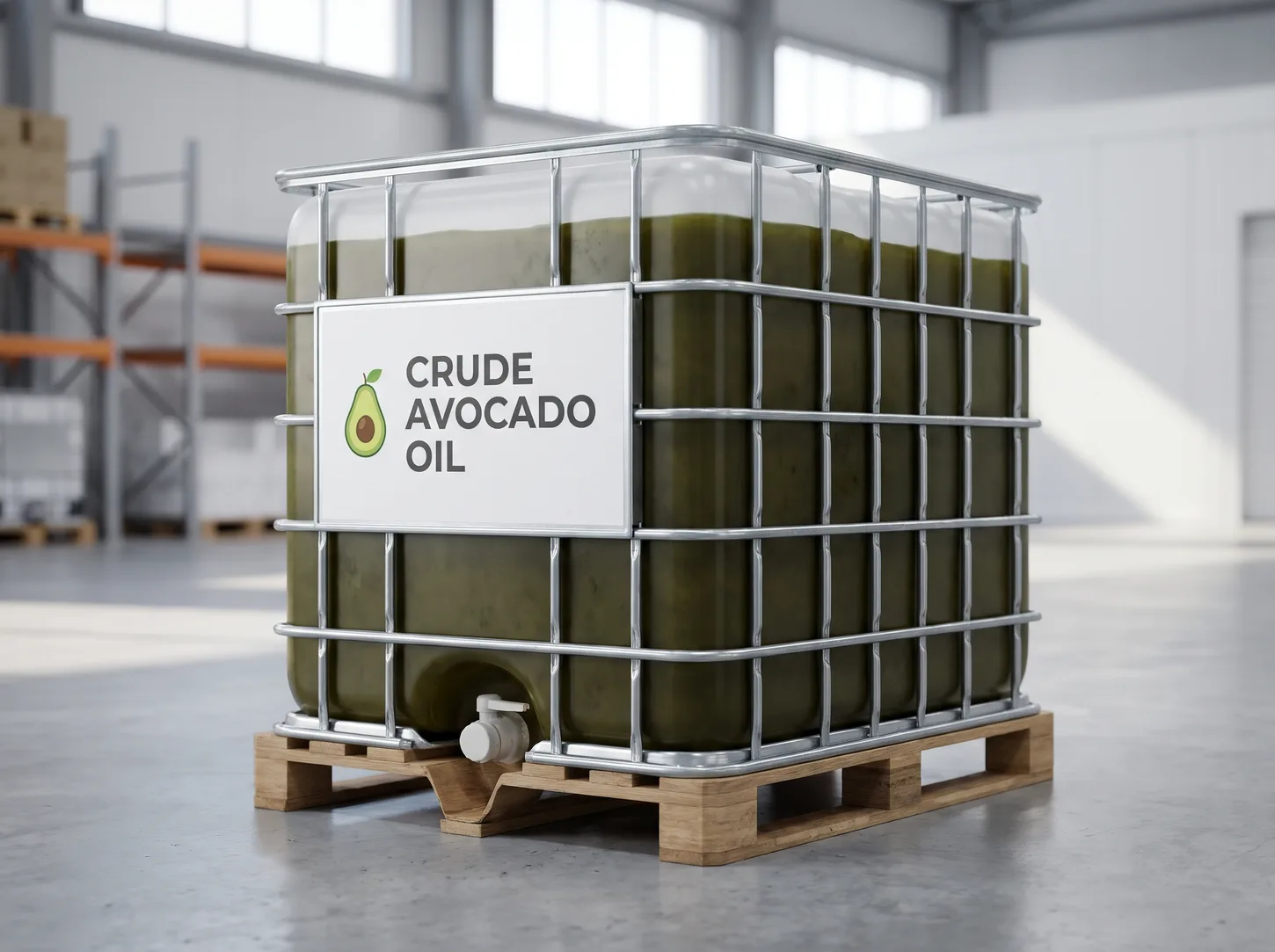
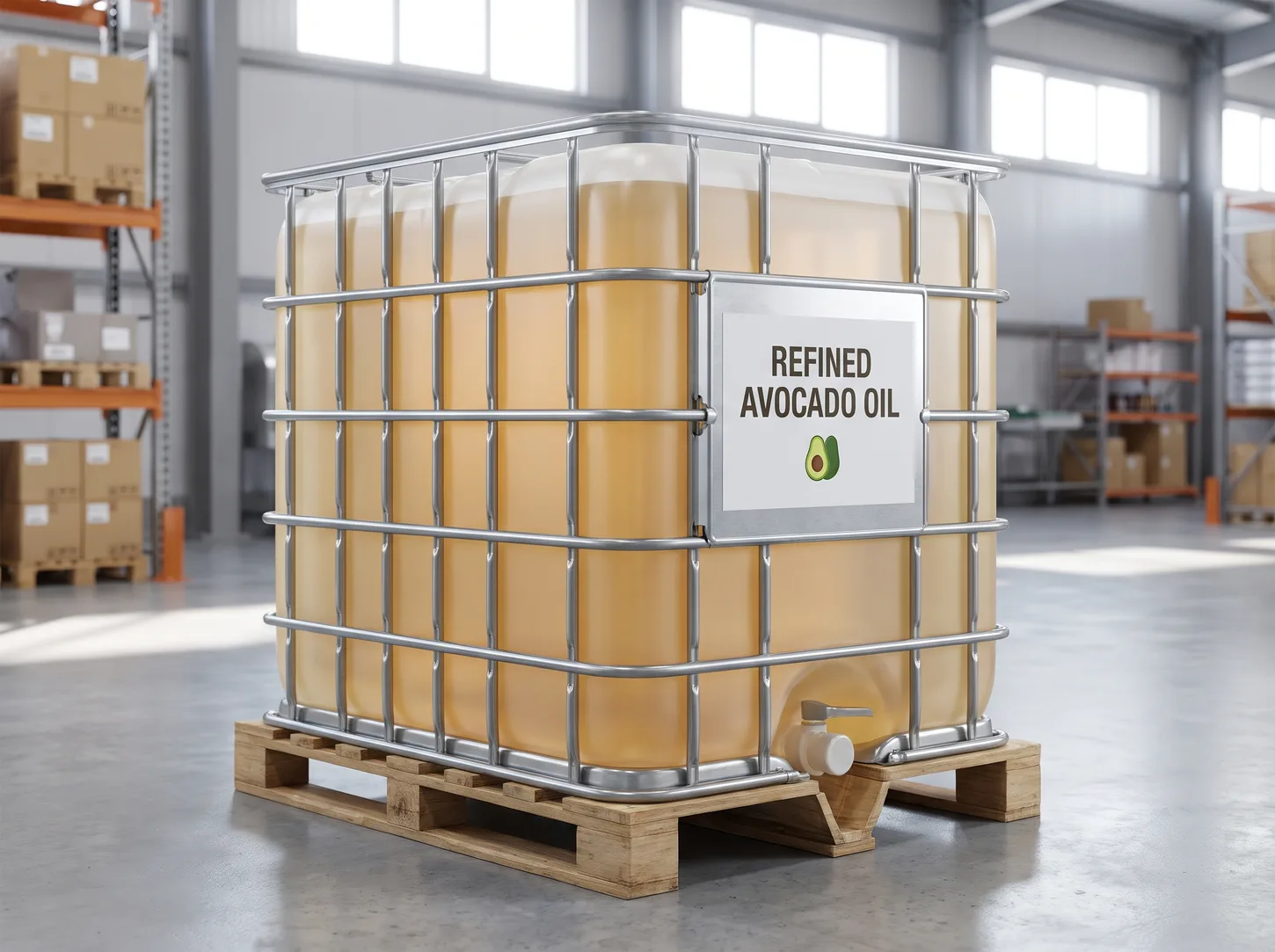
We are Imara Avocado Factory in Thika, Kenya. We make crude, refined, extra virgin and organic avocado oil, and we refine it ourselves in our own refinery in Thika. For private label, we fill 250 ml, 500 ml and 1 L packs, as a bottle or a spray, from a minimum of 100 bottles per SKU. We sell EXW Thika, with FOB, CFR or CIF on request. New buyers pay 50/50, and credit of up to 60–90 days is possible by agreement.
See our private label and bottling page, then send your brief through our contact page or email support@imaraavocados.com.
FAQ
What is private label avocado oil? It is avocado oil made and bottled by one company and sold under another company's brand. The brand owner controls the label and sells to its own customers.
What is the difference between private label and white label avocado oil? The terms are often used for the same thing: oil sold under the buyer's own brand. Ask the maker what is included, such as filling, labelling or label design.
What is the minimum order for Imara private label? Our minimum is 100 bottles per SKU, in 250 ml, 500 ml or 1 L, bottle or spray.
Who is responsible for the label text? The brand owner should approve the label and check it against the rules of the market where it will be sold, ideally with their importer or a labelling adviser.
Which Incoterm should I choose? It depends on how much of the shipping you want to arrange yourself. We sell EXW Thika, with FOB, CFR or CIF on request.
Sources
- Codex Alimentarius Commission (FAO/WHO). General Standard for the Labelling of Prepackaged Foods (CODEX STAN 1-1985, Rev. 1-1991), Section 4: Mandatory labelling of prepackaged foods. https://www.fao.org/3/y2770e/y2770e02.htm
- Williams, J. B. and Griswold, E. L. Basic Labeling Requirements for Food Products Entering Commerce (Publication P2920). Mississippi State University Extension. https://extension.msstate.edu/publications/basic-labeling-requirements-for-food-products-entering-commerce
- International Trade Administration, U.S. Department of Commerce. Know Your Incoterms. https://www.trade.gov/know-your-incoterms
Explore all avocado oil products · Crude avocado oil · Refined avocado oil.