To make avocado oil mayonnaise at home, whisk an egg yolk with lemon juice or vinegar, a little mustard and salt, then add about a cup of refined avocado oil very slowly, drop by drop at first, until it turns thick and glossy. Use pasteurized eggs, keep the mayonnaise in the fridge, and eat it within a few days.
That is the whole method in two sentences. Below, our team walks you through the ingredients, the step-by-step method, how to rescue a split batch and how to keep it safe.
Why make avocado oil mayonnaise at home?
Mayonnaise is mostly oil. In the United States, a product sold as "mayonnaise" must contain at least 65 percent vegetable oil by weight, plus egg yolk and an acid such as vinegar or lemon juice (US Code of Federal Regulations, 21 CFR 169.140). So the oil you choose shapes the taste and colour of the finished jar more than any other ingredient.
Making it yourself lets you choose that oil, control the salt and acidity, and skip anything you don't want. It takes about ten minutes and uses things most kitchens already have.
Which avocado oil works best?
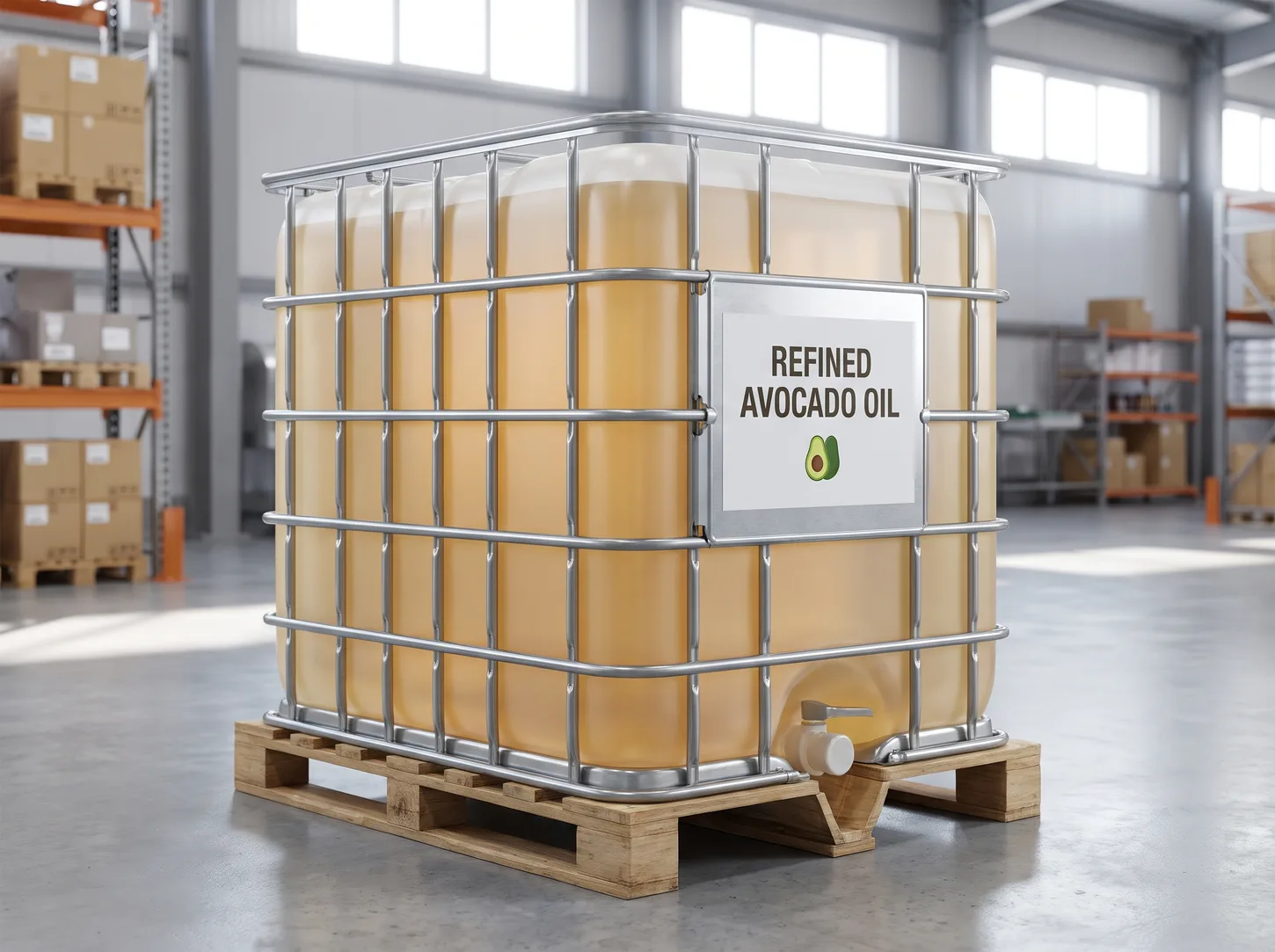
For a classic, mild mayonnaise, we suggest refined avocado oil. Refining gives a pale oil with a neutral taste, so the lemon, mustard and egg come through and the mayonnaise stays a light cream colour. You can read more about our refined avocado oil.
Extra virgin avocado oil works too, but it keeps more of the fruit's green colour and flavour. It gives a greener, more grassy mayonnaise, which some cooks love with fish, grilled vegetables or as a dip. If you want a middle ground, mix the two half and half. Our guide to refined vs unrefined avocado oil explains the difference between the grades.
| Oil choice | Colour of mayo | Taste | Good for |
|---|---|---|---|
| Refined avocado oil | Pale cream | Mild, neutral | Sandwiches, salads, everyday use |
| Extra virgin avocado oil | Light green | Fuller, fruity, grassy | Dips, fish, grilled vegetables |
| Half and half | Soft cream-green | Gentle avocado note | A balance of both |
Ingredients (makes about one cup)
- 1 egg yolk (or 1 whole egg for the stick blender method), at room temperature and pasteurized (see the safety section below)
- 1 tablespoon fresh lemon juice or white vinegar
- 1 teaspoon mustard (Dijon or a mild yellow mustard)
- ¼ teaspoon salt
- About 200–250 ml (roughly 1 cup) avocado oil
Room-temperature ingredients blend more easily than cold ones, so take the egg out of the fridge about 30 minutes before you start (FSIS advises not leaving eggs out for more than 2 hours).
How to make avocado oil mayonnaise, step by step
By hand with a whisk
- Set up your bowl. Put a damp kitchen towel under a medium bowl so it doesn't slide while you whisk.
- Mix the base. Add the yolk, half the lemon juice or vinegar, the mustard and the salt. Whisk until smooth and slightly paler.
- Add the oil drop by drop. This is the most important step. Whisk constantly and add the oil a few drops at a time. After two or three tablespoons, the mixture will start to thicken.
- Speed up a little. Once it is thick, pour the oil in a thin, steady stream while you keep whisking.
- Adjust. Whisk in the rest of the lemon juice or vinegar. Taste and add salt if needed. A teaspoon of water will loosen a mayonnaise that is too stiff.
With a stick (immersion) blender
- Put a whole egg, the lemon juice, mustard and salt into a tall, narrow jar that just fits the blender head.
- Pour all the oil on top and let it settle for a few seconds.
- Put the blender at the bottom of the jar, switch it on and hold it still until you see white mayonnaise forming below.
- Slowly lift and tilt the blender to draw in the rest of the oil. It takes less than a minute.
The stick blender method is the most forgiving, which makes it a good place to start.
Why mayonnaise splits, and how to fix it
Mayonnaise is an emulsion: tiny droplets of oil held apart in the watery part (lemon juice, vinegar and egg). If the oil goes in too fast, the droplets join back together and the sauce turns thin and greasy. Very cold ingredients make this more likely.
To rescue a split batch:
- Put a fresh pasteurized egg yolk (or a teaspoon of mustard) in a clean bowl.
- Whisk in the split mixture a teaspoon at a time.
- Once it thickens again, add the rest slowly in a thin stream.
Most split batches come back this way, so don't throw it out.
Food safety: raw eggs and storage
Homemade mayonnaise usually uses raw egg, so safety matters.
- Raw eggs can carry Salmonella. The US Food and Drug Administration (FDA) notes that fresh eggs, even clean ones with uncracked shells, may contain Salmonella bacteria that can cause foodborne illness.
- Use pasteurized eggs for raw-egg recipes. For dishes where the egg stays raw, the FDA advises using shell eggs treated to destroy Salmonella (for example, by pasteurization) or pasteurized egg products. The USDA Food Safety and Inspection Service gives the same advice.
- Take extra care with higher-risk groups. The FDA lists children, older adults, pregnant women and people with weakened immune systems as being at greater risk of serious illness. If you can't get pasteurized eggs, the USDA Food Safety and Inspection Service advises against eating homemade mayonnaise made with raw eggs, and this matters most for these groups.
- Keep it cold. Store it covered in a clean fridge at 4 °C (40 °F) or below. As a sensible rule, borrowed from the FDA's guidance for egg dishes, don't leave it out of the fridge for more than 2 hours (1 hour when it is above 32 °C / 90 °F).
- Make small batches. Homemade mayonnaise has no added preservatives, so make only what you will eat within a few days.
Your avocado oil also needs care before it goes into the bowl. Keep the bottle closed, away from heat and light.
Easy ways to flavour it
Once you have a basic batch, try:
- Garlic: stir in one finely grated clove.
- Herb: add chopped dhania (coriander), parsley or dill.
- Chilli: a little chilli sauce or finely chopped fresh chilli.
- Lime: swap the lemon juice for lime and add a little grated zest.
Use it in sandwiches, potato salad, coleslaw, as a dip for chips or roast potatoes, or as a base for salad dressings.
How Imara can help
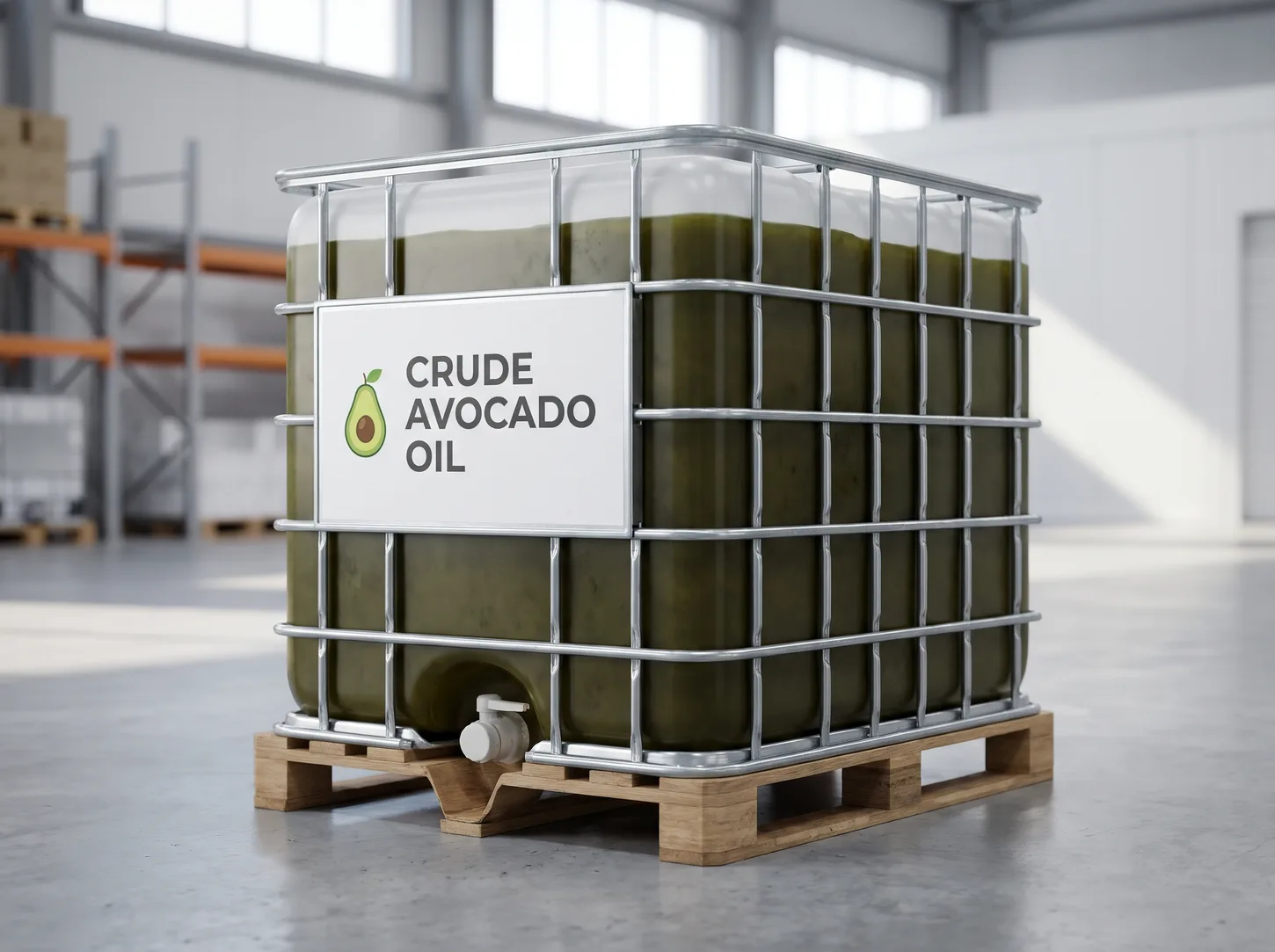
We are Imara Avocado Factory in Thika, Kenya. We make crude, refined, extra virgin and organic avocado oil.
- For shops and retailers: our own Imara brand is available wholesale from 5 pieces.
- For food brands: we offer private label avocado oil in 250 ml, 500 ml and 1 L, in a bottle or spray, from 100 bottles per SKU.
- For manufacturers: bulk oil is available from one container (23 t, one flexitank).
If you make sauces, dressings or mayonnaise and want a steady supply of avocado oil, see our wholesale options or email us at support@imaraavocados.com.
FAQ
Does avocado oil mayonnaise taste of avocado?
Made with refined avocado oil, it tastes mild and neutral, much like a classic mayonnaise. Extra virgin avocado oil gives a greener colour and a fuller, fruity taste.
Can I make it without eggs?
Yes, eggless versions exist, often using aquafaba (the liquid from cooked chickpeas) or plant milk as the base. The method is similar: blend the base and add the oil slowly. The texture is usually a little lighter.
Why is my homemade mayonnaise runny?
Usually the oil went in too fast, or the ingredients were too cold. Whisk the runny mixture slowly into a fresh pasteurized egg yolk or a spoon of mustard to bring it back.
How long does homemade mayonnaise last?
Keep it covered in the fridge and use it within a few days. It has no preservatives, so making small batches is best.
Is it safe to use raw eggs in mayonnaise?
Raw eggs can carry Salmonella. The FDA advises using pasteurized eggs or pasteurized egg products in recipes where the egg isn't cooked.
Sources
- US Code of Federal Regulations, Title 21, Section 169.140: Mayonnaise. eCFR. https://www.ecfr.gov/current/title-21/chapter-I/subchapter-B/part-169/subpart-B/section-169.140
- US Food and Drug Administration. What You Need to Know About Egg Safety. https://www.fda.gov/food/buy-store-serve-safe-food/what-you-need-know-about-egg-safety
- USDA Food Safety and Inspection Service. Shell Eggs from Farm to Table. https://www.fsis.usda.gov/food-safety/safe-food-handling-and-preparation/eggs/shell-eggs-farm-table
Explore all avocado oil products · Crude avocado oil · Refined avocado oil.