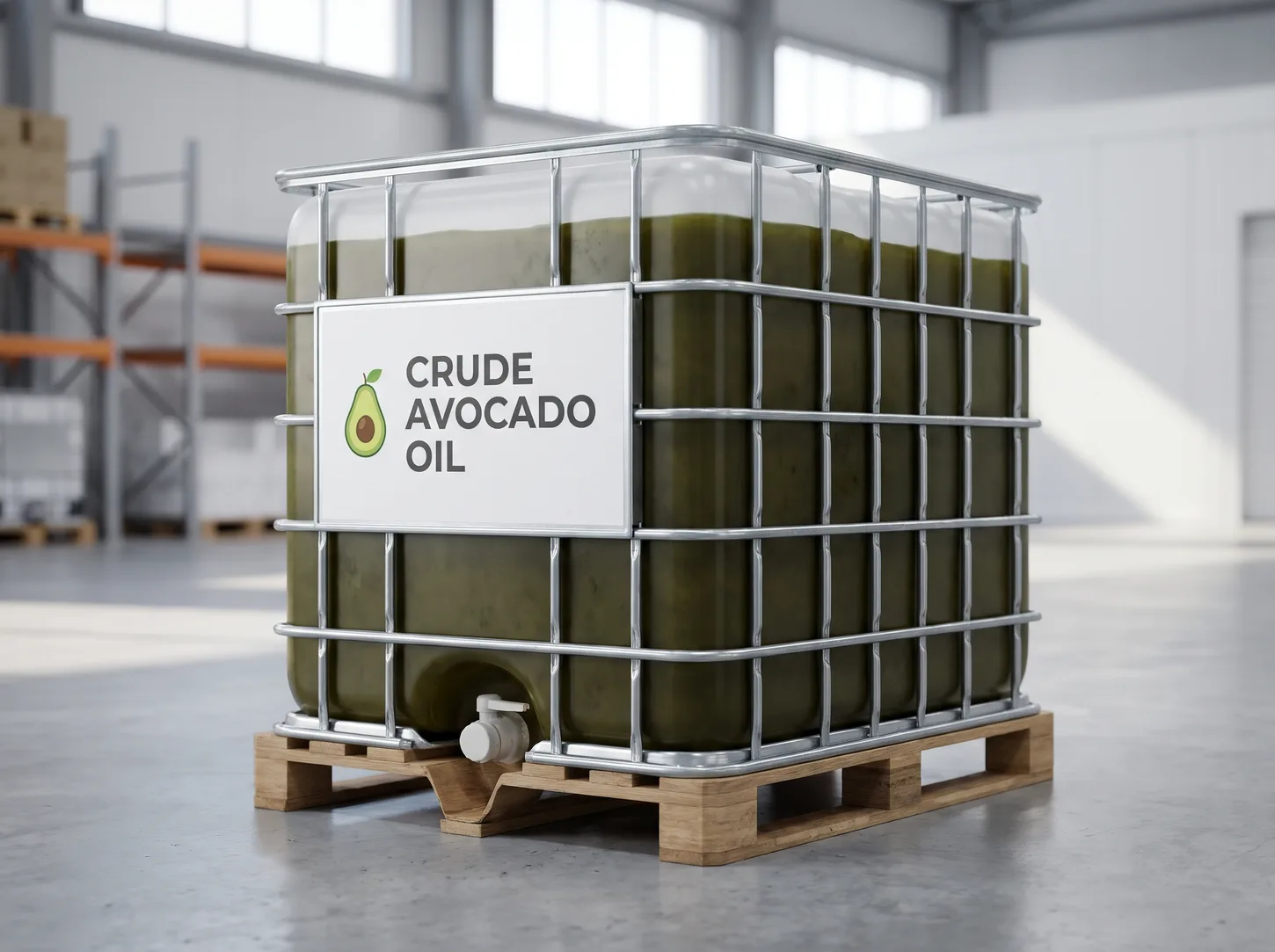
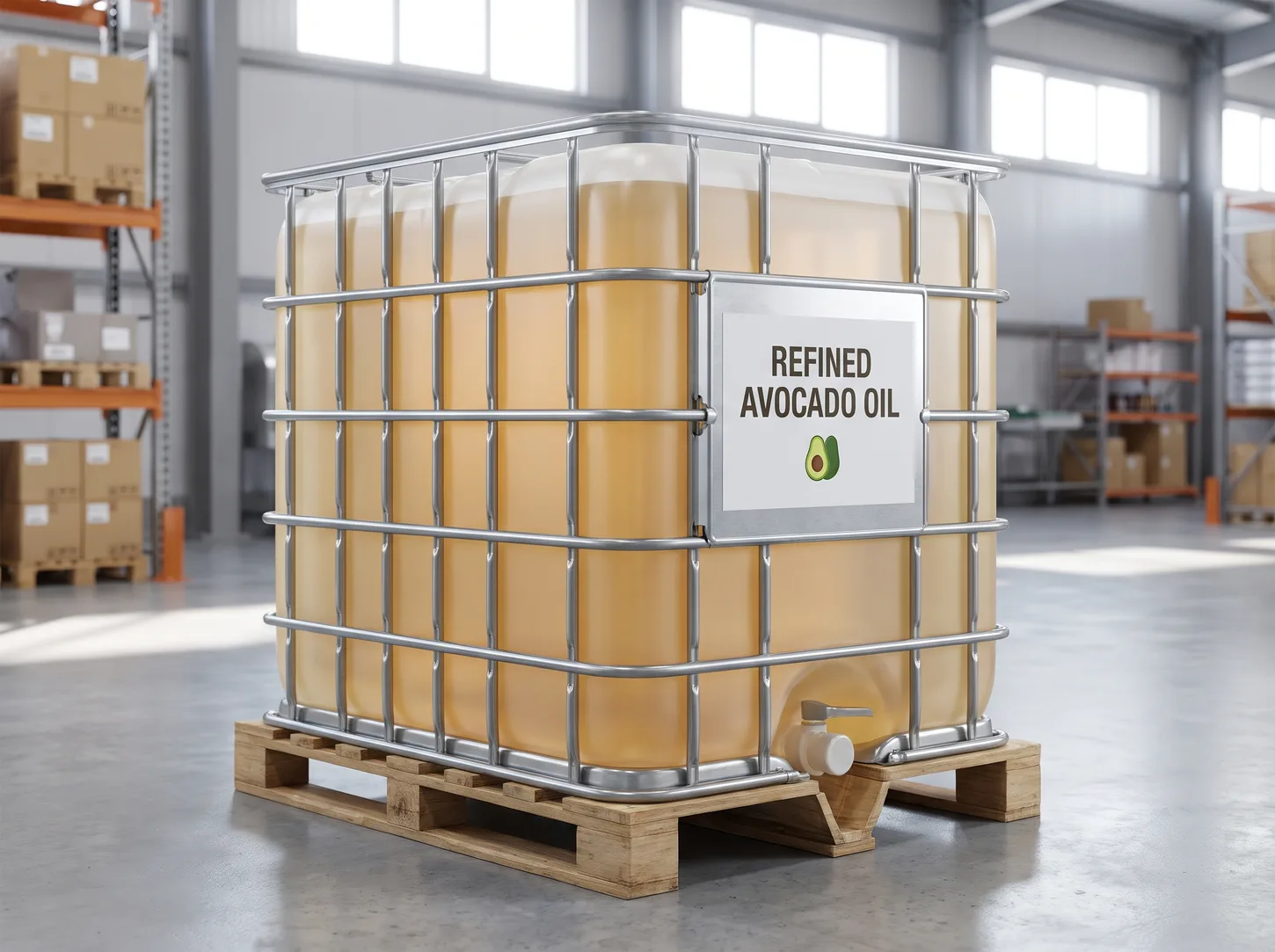
For most soap and cosmetics makers, the best avocado oil for soap making is a refined, cosmetic-grade oil, because it is pale and mild-smelling and lets your colours and fragrances show. Choose crude or extra virgin avocado oil instead when you want a natural, green-tinted bar and a "minimally processed" story on your label.
Below we explain what avocado oil brings to a soap recipe, how the grades differ, what to check before you buy, and how to stay safe and within the rules when you make and sell soap.
What avocado oil brings to soap and cosmetics
Soap is made when fats and oils react with an alkali (lye). The US Food and Drug Administration (FDA) describes true soap as a product "composed mainly of the 'alkali salts of fatty acids'". So the fatty acids in your oils shape the bar you end up with.
Oleic acid, a monounsaturated fatty acid, is the main fatty acid in avocado oil, with smaller amounts of palmitic and linoleic acid. A 2019 scientific review of avocado oil in the journal Molecules reports oleic acid as the main fatty acid in Hass oils, and notes that Hass oil can contain up to 71% monounsaturated fat. Many soap makers choose oils rich in oleic acid for a mild, conditioning-feeling bar. Most makers blend avocado oil with other oils in their recipe rather than using it alone, so they can balance hardness, lather and cleansing.
The same review notes that avocado oil has drawn growing interest in food and in cosmetics. Avocado oil is a pleasant, rich-feeling oil for skin-care products, not a treatment.
Choosing avocado oil for soap making: which grade?
The grade you choose changes the colour, scent and story of your product more than anything else.
| Grade | Colour and scent | Best for | Watch out for |
|---|---|---|---|
| Refined (cosmetic grade) | Pale, mild, neutral | Coloured or scented soaps, white or pastel bars, lotions and creams where you control colour and fragrance | Less "natural" story on the label |
| Crude | Darker, greener, stronger scent | Rustic and natural soap bars where colour variation is welcome | Colour and scent can vary from batch to batch; check the specification |
| Extra virgin | Green, fruity aroma | Premium natural ranges, facial bars, body oils with a visible green tone | Higher-value oil, so it often goes into small-batch or premium lines |
| Organic | Depends on the grade | Ranges sold with an organic claim | The certificate must cover the oil you buy and your own product rules |
If you are new to the grades, our guide to refined vs unrefined avocado oil explains the differences in more detail.
Why refined avocado oil is the everyday choice
Refined avocado oil for soap making is popular because it is predictable. A pale, mild oil keeps your colourants true and does not compete with your fragrance or essential oils. That matters when you sell the same bar month after month and your customers expect it to look and smell the same every time.
When crude or extra virgin avocado oil makes sense
Unrefined grades suit makers who want the oil to show. Expect a greener tint and a stronger, natural aroma in the finished bar. Test a small batch first and let it cure fully before you judge the colour and scent.
What to check before you buy avocado oil for soap
Whether you buy a few litres or a full container, ask your supplier for the same basics:
- A specification sheet for the exact grade, so you know what you are buying.
- A certificate of analysis for the batch, if your process or your customers need one.
- The saponification (SAP) value range for the grade, so you can calculate your lye amount. Run every recipe through a lye calculator, and never guess.
- Freshness and storage advice. Oils age with heat, light and air, and older oil can shorten the shelf life of your products. Store drums and bottles cool, dark and well closed.
- Packaging that fits your production, from bottles for small workshops to bulk for factories.
- Certificates that match your market claims, such as an organic claim.
Make and sell soap safely
Handle lye with care
Sodium hydroxide, the lye used for bar soap, is caustic. The US National Institute for Occupational Safety and Health (NIOSH) lists eye and skin burns among its hazards and advises preventing skin and eye contact and having an eyewash nearby. Wear gloves and eye protection, work in a ventilated space, and keep children and pets away.
Know how your soap will be regulated
Rules depend on where you sell. In the United States, the FDA explains that a product counts as "soap" under its definition only when it is mainly alkali salts of fatty acids, cleans because of those salts, and is labelled and marketed only as soap. If it meets that definition, it is regulated by the Consumer Product Safety Commission (CPSC), not the FDA. The FDA adds that if a product is meant to moisturise skin or make the user smell nice, it is a cosmetic, and if it claims to treat or prevent disease, it is a drug.
So the words on your label matter. "Made with avocado oil" is a simple statement of an ingredient. Claims that a soap heals or treats a skin condition move it into a different category with stricter rules. Check the rules in each market where you sell, including in Kenya and in any country you export to.
How Imara can help
We at Imara Avocado Factory make crude, refined, extra virgin and organic avocado oil in Thika, Kenya. Soap and cosmetics makers can work with us in three ways:
- Bulk oil for your own production, from 1 container (23 t, one flexitank). See our wholesale and bulk page.
- Private label, if you want avocado oil under your own brand: 250 ml, 500 ml or 1 L, in a bottle or a spray, from 100 bottles per SKU. See private label and bottling.
- Our Imara brand for shops and studios, wholesale from 5 pieces.
You can read more about our cosmetic grade avocado oil, or contact us with your product brief and we will suggest a grade.
Frequently asked questions
Can I use avocado oil for soap making?
Yes. Avocado oil reacts with lye like other plant oils and is used by many soap makers for a gentle, conditioning bar. Most makers blend it with other oils and always calculate the lye from the oil's SAP value.
Is refined or unrefined avocado oil better for soap?
Refined avocado oil is better when you want a pale bar and control over colour and scent. Unrefined (crude or extra virgin) avocado oil suits natural, rustic or premium bars where a green tint and natural aroma are welcome.
What is cosmetic grade avocado oil?
It is avocado oil made and specified for use in skin-care and personal-care products. Ask your supplier for the specification sheet so you know exactly what the grade means for that oil.
Can I sell avocado oil soap with skin-care claims?
Be careful. In the United States, a product that claims to moisturise is treated as a cosmetic, and one that claims to treat a condition is treated as a drug. Keep claims simple and check the rules in each market.
Does avocado oil change the colour of soap?
It can. Crude and extra virgin oils can give a greener tint, while refined oil keeps the bar paler. Test a small batch and let it cure before you decide.
Sources
- U.S. Food and Drug Administration. Frequently Asked Questions on Soap. https://www.fda.gov/cosmetics/cosmetic-products/frequently-asked-questions-soap
- U.S. Consumer Product Safety Commission. Soap Business Guidance. https://www.cpsc.gov/Business--Manufacturing/Business-Education/Business-Guidance/Soap-Business-Guidance
- Flores M, et al. Avocado Oil: Characteristics, Properties, and Applications. Molecules, 2019, 24(11):2172. https://www.mdpi.com/1420-3049/24/11/2172
- NIOSH Pocket Guide to Chemical Hazards: Sodium hydroxide. https://www.cdc.gov/niosh/npg/npgd0565.html
Explore all avocado oil products · Crude avocado oil · Refined avocado oil.