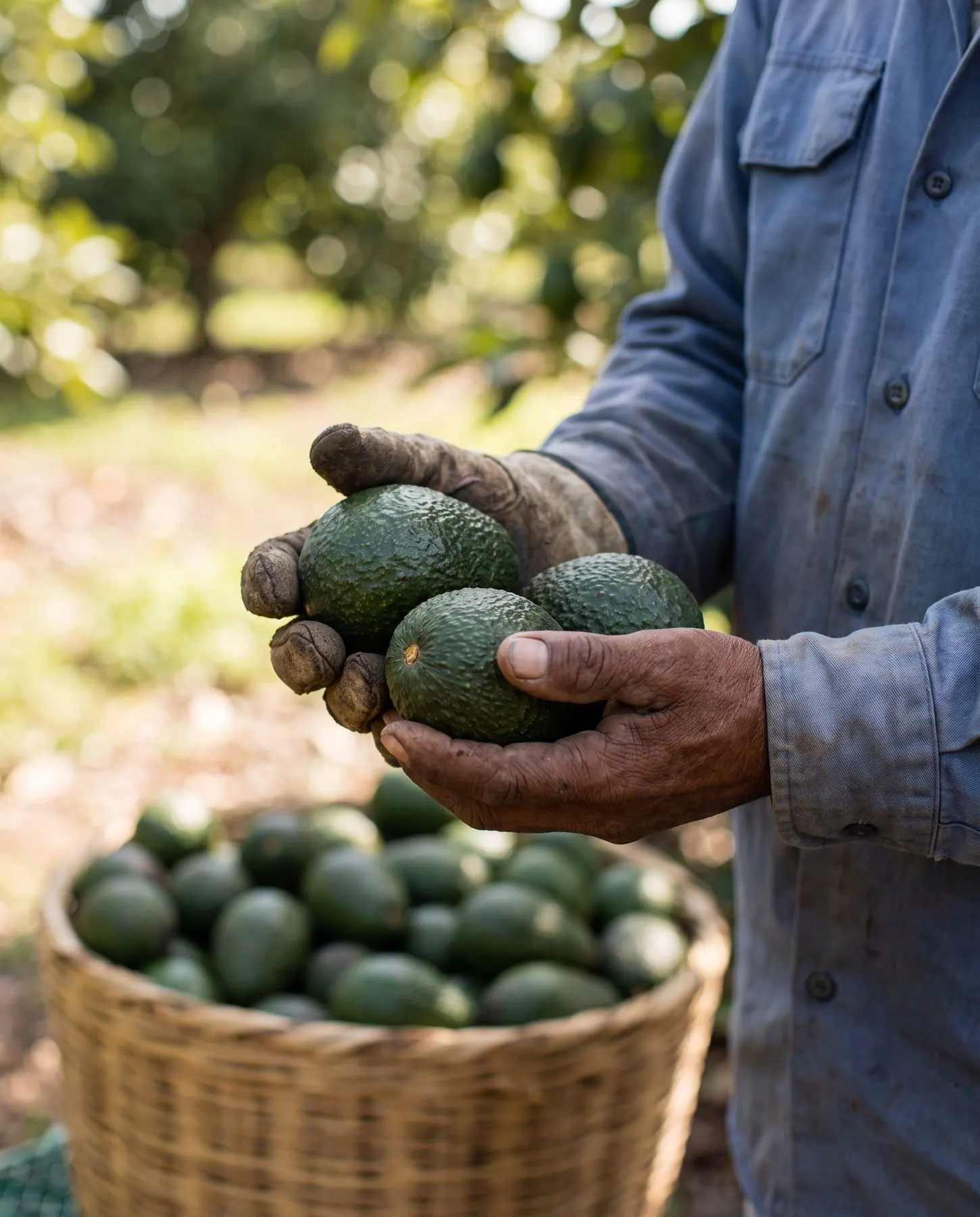
Selling avocados for oil starts with a different conversation from selling fruit for the fresh market. Rather than assuming that a particular variety or an available harvest will suit a factory, growers need to describe their supply and establish the terms on which it could be received.
Imara Avocado Factory is based in Thika, Kenya, and sources avocados from its own and partner farms. For a grower considering a supply relationship, the useful starting point is a clear farm enquiry—not an unarranged delivery. This guide explains what information to send, what is recorded at the factory gate, and which questions to settle before committing fruit.
Start with the farm and the fruit you have
An initial enquiry should give Imara enough information to understand the proposed supply. Include your name, farm location, avocado varieties, available quantity and contact email. These details make the conversation specific without requiring you to guess what the factory might accept.
State the quantity you currently have available as clearly as you can. If it is an estimate, identify it as an estimate rather than presenting it as a confirmed delivery amount. Likewise, distinguish fruit from your own farm from any supply you are describing on someone else’s behalf.
The farm sourcing page is the relevant starting point for a farm partner enquiry. Sending this information opens a discussion; it should not be treated as confirmation that a load has been accepted.
Name the varieties rather than assuming Hass only
Imara sources Hass and other avocado varieties. Growers should therefore name the varieties they have instead of ruling themselves out because their farm is not exclusively Hass. If the available supply includes different varieties, say so in the enquiry.
At the same time, the use of different varieties does not establish a blanket acceptance rule for every load. The condition of a proposed delivery and the grading terms still need to be discussed. Do not assume that fruit unsuitable for another buyer will automatically be suitable for oil production.
If you do not know the variety, explain that rather than assigning a name. A straightforward description is more useful than an unsupported claim. The purpose of the first exchange is to establish what is actually available and what further clarification is needed.
Agree the terms before arranging delivery
We agree grading, price and payment terms before your first delivery.
That agreement matters because a factory gate should not be the place where a grower first discovers how the proposed supply will be assessed. Ask for clarification wherever the grading language is unclear, particularly if you are comparing an oil-factory outlet with a fresh-fruit buyer.
Before arranging transport, confirm whether the proposed delivery has been agreed and what arrangements apply to it. Avoid making commitments based only on the fact that Imara sources from partner farms. A general invitation to enquire is different from an agreement covering your fruit.
Keep the distinction between an enquiry and an agreed delivery clear when speaking with anyone helping to organise the load. It reduces the risk of different people working from different assumptions.
Understand the record at the Thika gate
At Imara’s Thika gate, deliveries are weighed on a weighbridge and the supplying farm is recorded. These are concrete parts of the receiving record: the delivered weight and the farm associated with the fruit.
A farm record is particularly relevant when names used in conversation differ from the name used to identify the holding. Explain any such difference in advance so that the supply discussion is not ambiguous. The aim is to make clear which farm the proposed fruit comes from, not to invent a separate eligibility requirement.
The gate weighbridge records delivered weight; it does not replace the agreement about grading. Treat the farm identity, weight record and agreed terms as related but distinct information. Ask Imara to explain anything you do not understand before relying on an assumption about how a delivery will be handled.
Know the oil outlet without confusing it with fruit grading
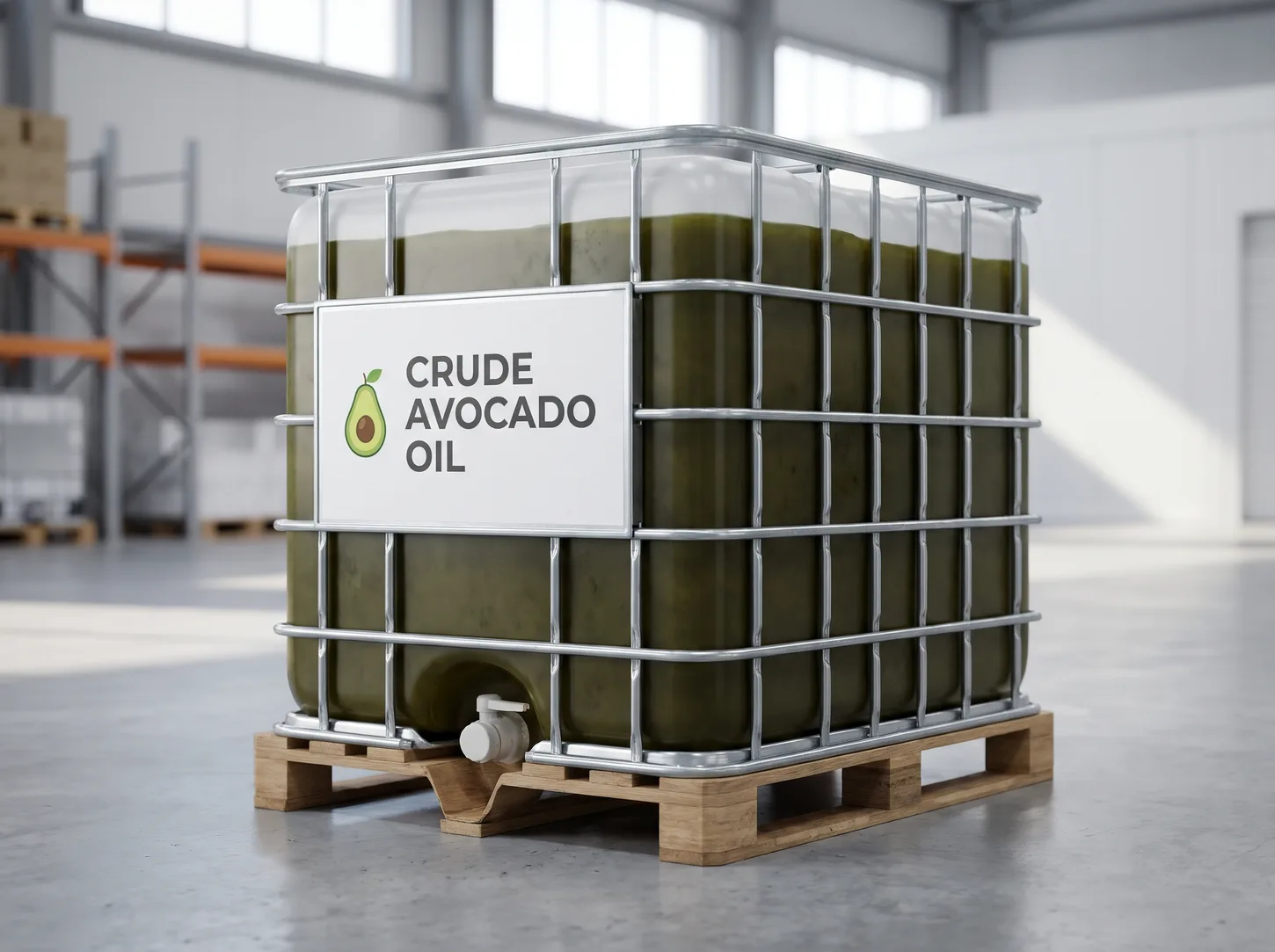
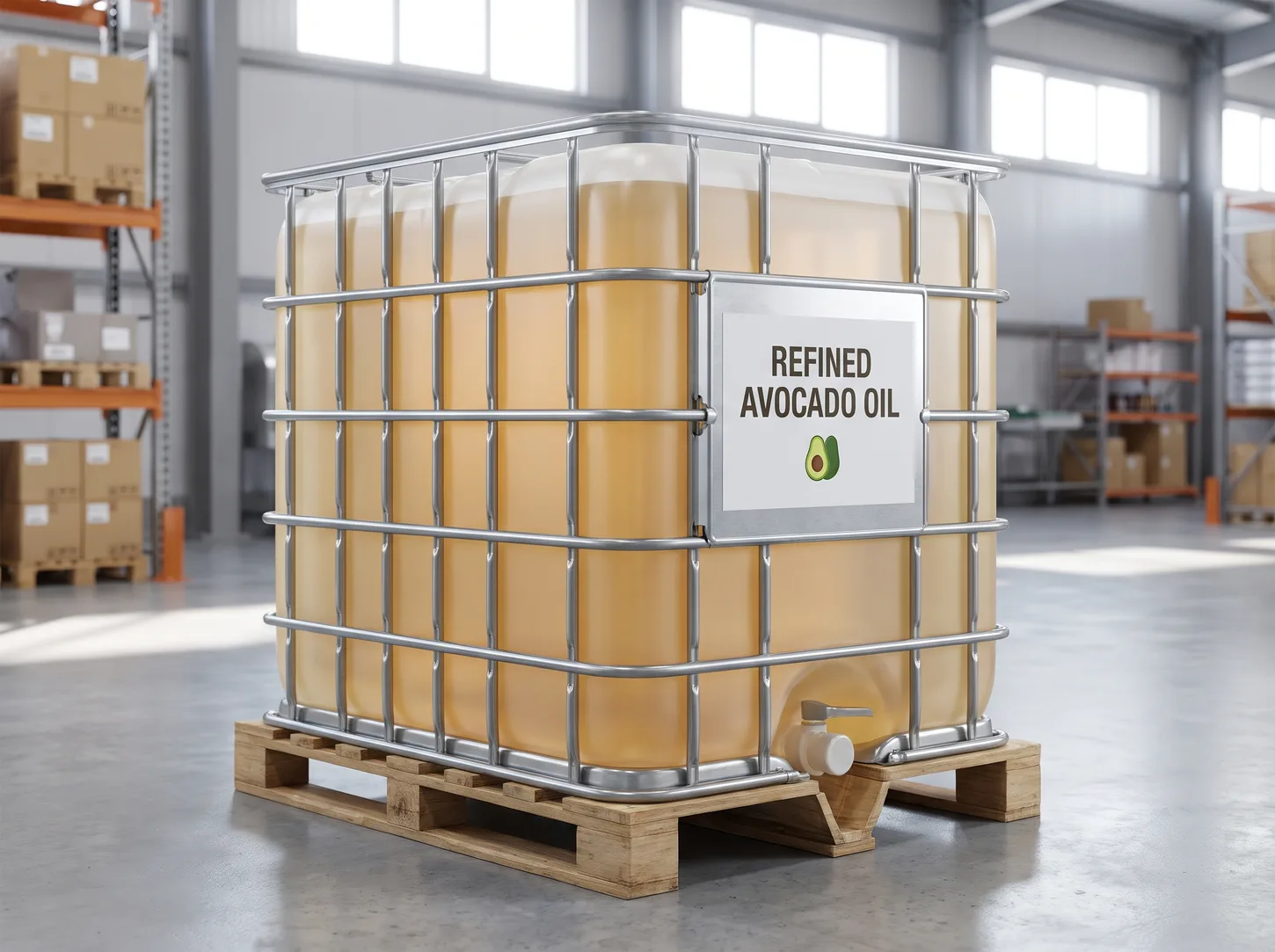
Understanding what the factory makes can help growers ask better questions. Imara has its own crude oil tanks, its own refinery and bottling operations. Its product range includes different avocado oils for different buying requirements.
Crude avocado oil and refined avocado oil are produced through hot-pressed mechanical extraction without solvents. Extra virgin avocado oil is mechanically pressed and unrefined. Those distinctions describe oil products; they are not a substitute for the grading terms agreed for a fruit delivery.
Similarly, a specification shown on an oil product page should not be read as a test that a grower can apply directly to a harvest. Fruit supply discussions and finished-oil purchasing discussions serve different purposes. Use the product information to understand the outlet, then ask sourcing questions about your own proposed supply.
Separate fruit supply from oil buying enquiries
A grower looking to sell avocados needs a farm sourcing conversation. A business looking to purchase finished oil needs a product and wholesale conversation. Keeping those requests separate helps make the intended transaction clear from the outset.
If you are considering both activities, describe them separately. For example, supplying fruit from a farm does not itself establish an arrangement to receive bottled oil or have that fruit processed on your behalf. Any such request needs its own discussion rather than being assumed within a farm supply agreement.
Businesses seeking bulk oil can use the wholesale information. Growers should keep their initial supply message focused on the farm, varieties and available fruit, adding a separate note if they also have an oil purchasing question.
Make your first enquiry easy to answer
A useful enquiry does not need a sales pitch. It needs identifiable information and a clear request to discuss supply. You can organise your message under these headings:
- Name: the person making the enquiry.
- Farm location: where the proposed supply comes from.
- Varieties: Hass, other named varieties, or a clear note if unknown.
- Available quantity: identify any estimate as an estimate.
- Contact email: the address for the supply discussion.
Finish with any question that affects whether you can proceed, such as clarification of grading or delivery arrangements. Avoid presenting an intended delivery as already confirmed. A concise, accurate enquiry gives both sides a sound basis for discussing whether a farm supply relationship is suitable.
To enquire about supplying avocados to Imara in Thika, Email us.
Explore all avocado oil products · Crude avocado oil · Refined avocado oil.
Frequently asked questions
Does Imara source only Hass avocados?
No. Imara sources Hass and other varieties from its own and partner farms. Name the varieties in your enquiry; this does not mean every proposed load is automatically accepted.
What should I send in a farm partner enquiry?
Send your county, farm size or number of trees, varieties and expected harvest months. Identify estimates as estimates and include any questions about the proposed supply.
Can I bring fruit straight to the factory?
Contact Imara before arranging a delivery. Confirm that the proposed supply and delivery arrangements have been agreed rather than treating an enquiry as acceptance.
What is recorded when fruit reaches the factory?
At the Thika gate, the delivery is weighed on a weighbridge and the supplying farm is recorded. Grading remains a separate matter covered by the agreed terms.