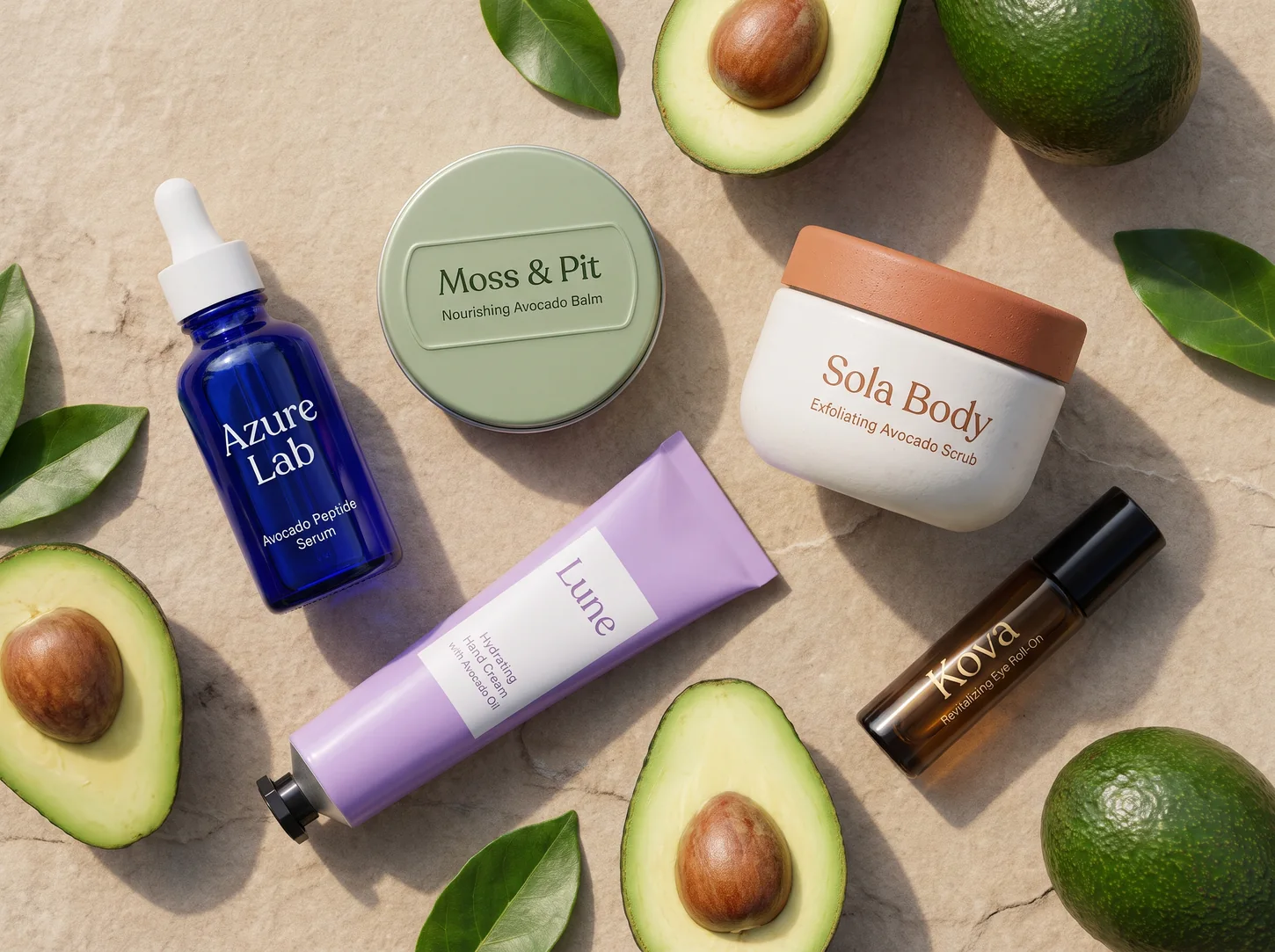
Avocado oil can have a straightforward role in skincare: it is an emollient ingredient that adds slip and leaves skin feeling softer. That makes it worth considering for body oils, balms and creams, but it does not make every avocado oil suitable for every product.
For someone buying a bottle, the main questions concern intended use, ingredients and skin feel. For a formulator or wholesale buyer, the decision also involves grade, consistency, documentation and packaging. A useful starting point is to separate what the oil can contribute cosmetically from claims that need evidence for the finished product.
What avocado oil contributes to skincare
As an emollient, avocado oil helps a product spread and gives the skin a smoother, more lubricated feel. It can contribute richness to a body oil or balm, or form part of the oil phase in a cream. The final result depends on the whole formula, not just the presence of avocado oil.
Texture matters as much as an ingredient story. An oil that feels pleasing on dry elbows may feel too substantial in a daytime facial product. Neither reaction establishes a universal rule: the amount used, other ingredients and personal preference all affect the experience.
Avoid treating descriptions such as “natural” or “pure” as evidence that a product will suit everyone.
Practical uses, with modest expectations
For personal use, choose a product clearly intended for cosmetic application and follow its directions. A small amount of a suitable oil can add slip during application and leave a soft finish on areas where a richer feel is welcome. More is not necessarily better; excess oil may leave an unwanted residue on skin or clothing.
For product development, avocado oil is worth assessing in body oils, massage blends, hand creams and anhydrous balms. In each case, evaluate spread, after-feel and compatibility rather than assuming a particular result from the ingredient name.
Try an unfamiliar product on a small area first and stop using it if irritation occurs. For persistent skin concerns or advice about suitability, speak to a qualified dermatologist or other healthcare professional.
Understand the grade before choosing
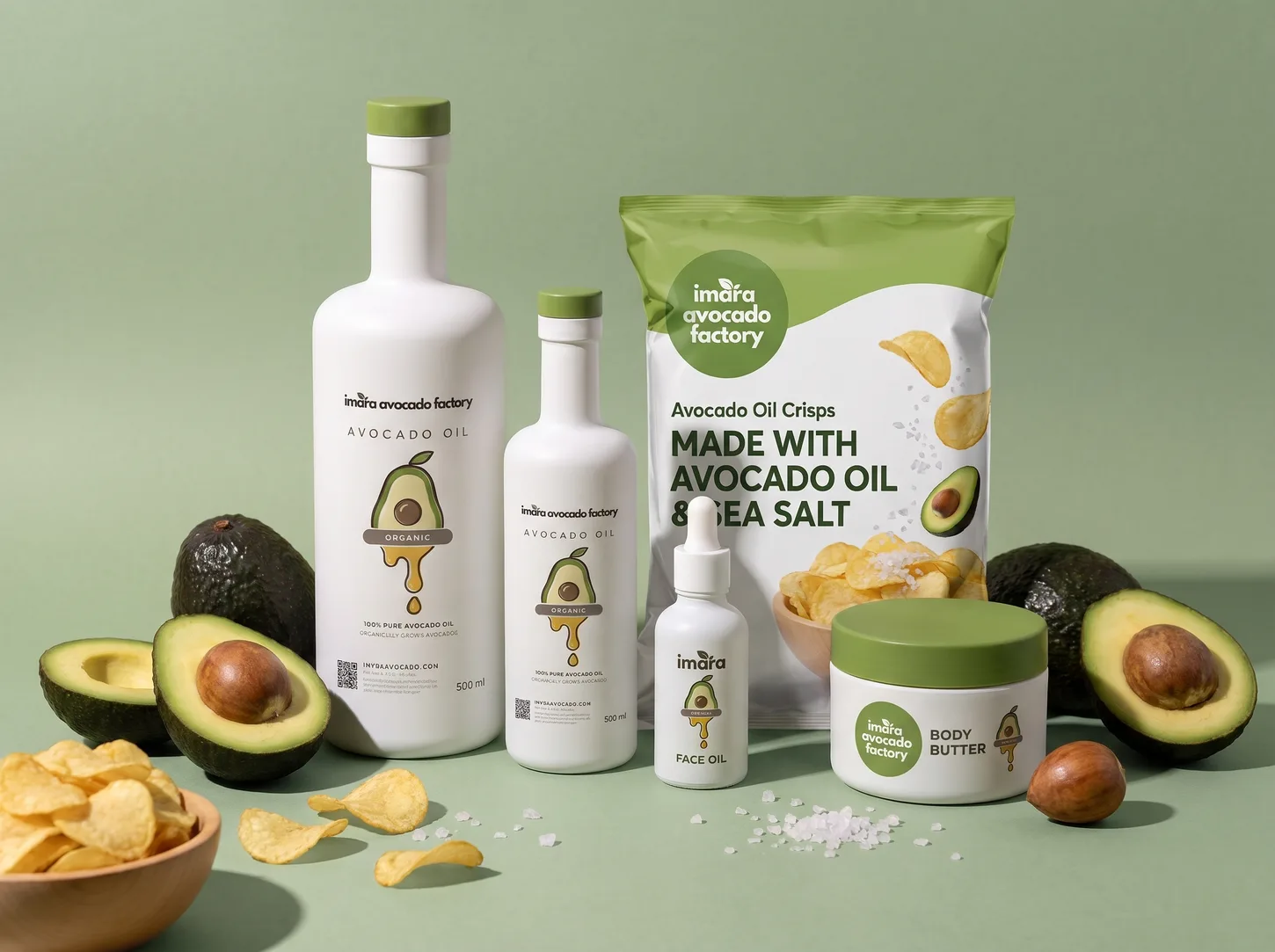
“Avocado oil” describes an ingredient family, not a single interchangeable specification. Imara’s cosmetic avocado oil page is the relevant starting point for skincare enquiries; the wider product range helps buyers compare the available options.
Refined avocado oil deserves consideration where the brief prioritises a restrained ingredient character. Assess the sample for colour, odour and feel rather than assuming that refining guarantees a particular sensory result. Imara’s refined oil is produced through hot-pressed mechanical extraction without solvents, followed by refining.
Extra virgin avocado oil is mechanically pressed and unrefined. It may suit a brief that welcomes the oil’s own character, provided the sample works in the proposed formula. “Unrefined” does not automatically mean more suitable for skin.
Crude oil is a different purchasing proposition. It should not be chosen for direct application simply because it sounds less processed; discuss its intended downstream processing and specification first.
Read the ingredient name alongside the specification
On an ingredient list, avocado oil may appear as Persea Gratissima Oil. Our guide to Persea Gratissima Oil provides a companion reference when reviewing that terminology. The name alone does not tell you the processing grade, sensory profile or suitability for your formula.
Free fatty acid limits are useful specification details, but they are not skincare performance scores. Imara’s limits are no more than 0.1% for refined oil and 0.8% for extra virgin oil. A lower figure should not be presented as proof of a better cosmetic outcome.
Ask which grade is being offered, what documentation accompanies it and whether the specification matches your purchasing requirements. Keep ingredient-level information separate from any claims proposed for the finished skincare product.
Evaluate a sample in the intended formula
A sample helps turn a broad ingredient preference into a buying decision. Imara offers a 250 ml sample; availability does not imply that it is free. Request the grade you intend to purchase so that the evaluation is relevant.
Check the oil on its own, then assess it within the complete formulation. Consider whether its odour fits the fragrance brief, whether its colour affects the finished appearance and whether the after-feel suits the intended application. A body balm and a light facial cream may lead to different decisions.
For commercial products, arrange appropriate stability, packaging compatibility and safety assessment with a qualified cosmetic formulator or safety assessor. An ingredient sample, or a successful small-area trial, does not replace assessment of the finished product.
Ask for evidence that supports the purchase
Imara Avocado Factory is based in Thika, Kenya, sourcing from its own and partner farms. Farm identity is recorded at the gate weighbridge. Buyers can explore sourcing when discussing the origin information needed for their procurement records.
A certificate of analysis accompanies every lot, and the lot COA prevails at loading. Imara retains a reference sample, welcomes buyer inspection and can arrange accredited contaminant laboratory tests on request. If a particular test is important to your market or formula, discuss it before committing to supply.
Organic certification is in progress, so don't put an organic claim on your product yet. Request documentation that supports the precise claim you intend to make.
Match packaging to actual consumption
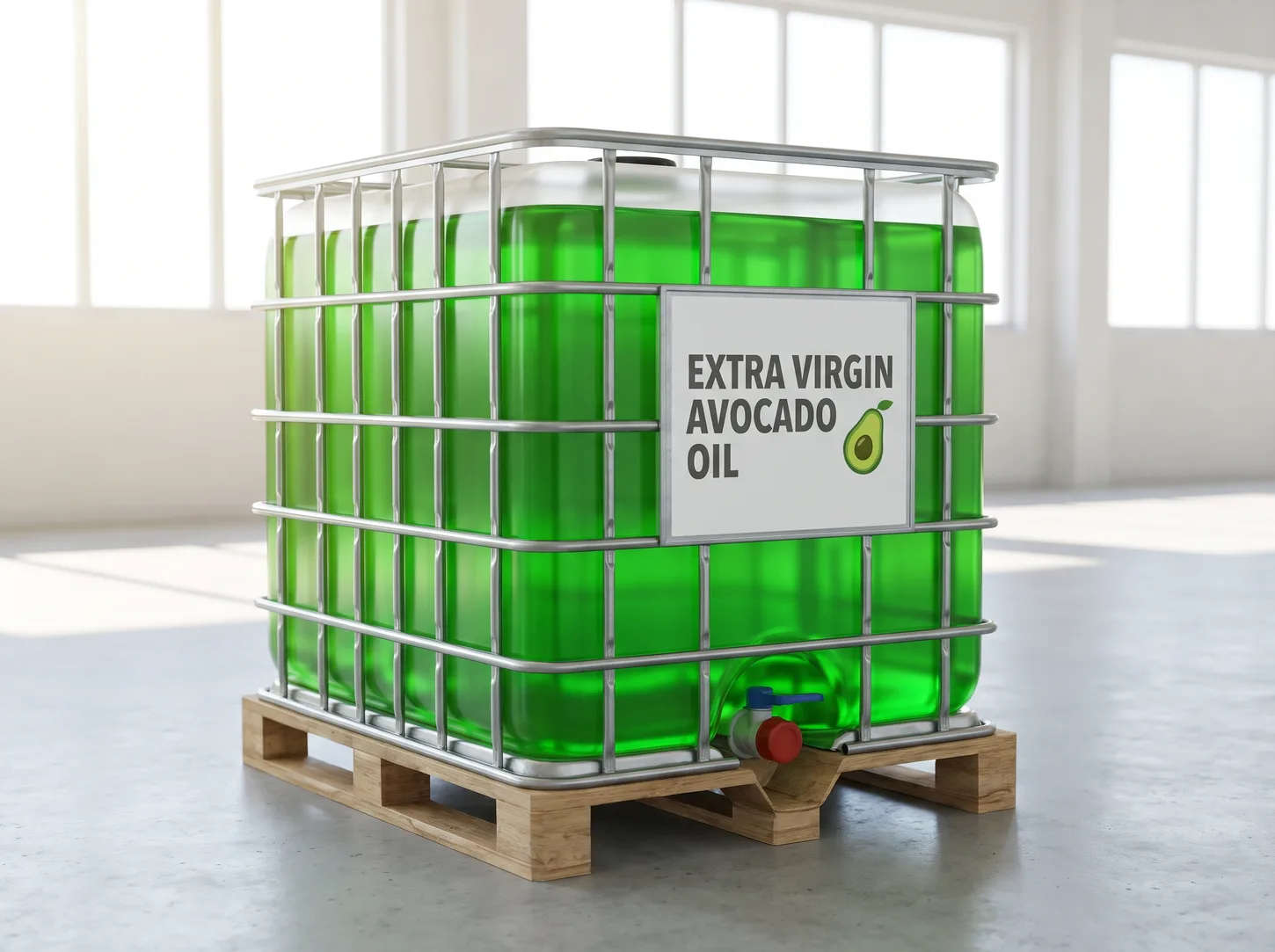
A suitable grade can still be an awkward purchase if the pack size does not fit your operation. Imara’s bulk options include 200 L drums, 1,000 L IBCs, flexitanks and ISO tank containers. The bulk minimum is one flexitank of about 23 tonnes; discuss your requirements through wholesale enquiries rather than assuming every format has a separate minimum.
Think about how much oil you can use, how it will be dispensed and how often the container will be opened. These practical questions matter more than selecting the largest available pack.
Protect oil from light, air and heat. Refined and extra virgin oil keep for 24 months sealed; an opened container or a finished cosmetic formula needs its own shelf-life testing.
Choose against a clear brief
The strongest buying brief describes the intended product, preferred grade, sensory expectations, documentation needs and packaging requirement. It also identifies anything still to be tested. This makes a supplier discussion more useful than asking for the “best avocado oil for skin”.
For personal use, prioritise a clearly labelled cosmetic product that suits your preferences. For formulation, prioritise evidence from the actual grade and finished formula. Neither choice needs exaggerated promises about what an oil can do.
To discuss cosmetic grades, samples or supply requirements, Email us.
Explore all avocado oil products · Cosmetic grade avocado oil · Extra virgin avocado oil.
Frequently asked questions
Can I use cooking avocado oil on my skin?
Food suitability does not establish cosmetic suitability. Choose a product intended for skin application, with appropriate directions, rather than assuming a cooking oil is an equivalent substitute.
Is refined or extra virgin avocado oil better for skincare?
Neither is automatically better. Compare the grade’s specification, odour, colour and feel against the intended use, then evaluate it in the complete formula.
Does avocado oil suit sensitive skin?
The ingredient name alone cannot establish suitability. Individual reactions and the full formulation matter. Seek professional advice if you have concerns, and stop using a product if irritation occurs.
What should a cosmetic buyer request before ordering?
Request the proposed grade, specification, sample, lot documentation and packaging details. Identify any additional testing requirements early, and distinguish ingredient specifications from finished-product safety and performance evidence.