Bulk avocado oil buying starts with the intended use, not simply the available container. A refinery purchasing crude oil needs a different specification from a food manufacturer buying refined oil or a brand sourcing extra virgin oil for bottling. Packaging, documentation and delivery terms must match that choice.
Imara Avocado Factory is based in Thika, Kenya, with its own crude oil tanks, RBD refinery and bottling operation. This guide explains what to settle before ordering, from free fatty acid limits to shipment responsibilities. Start with the product range, then build an enquiry around the grade and format your business can receive.
Choose the grade for the finished product
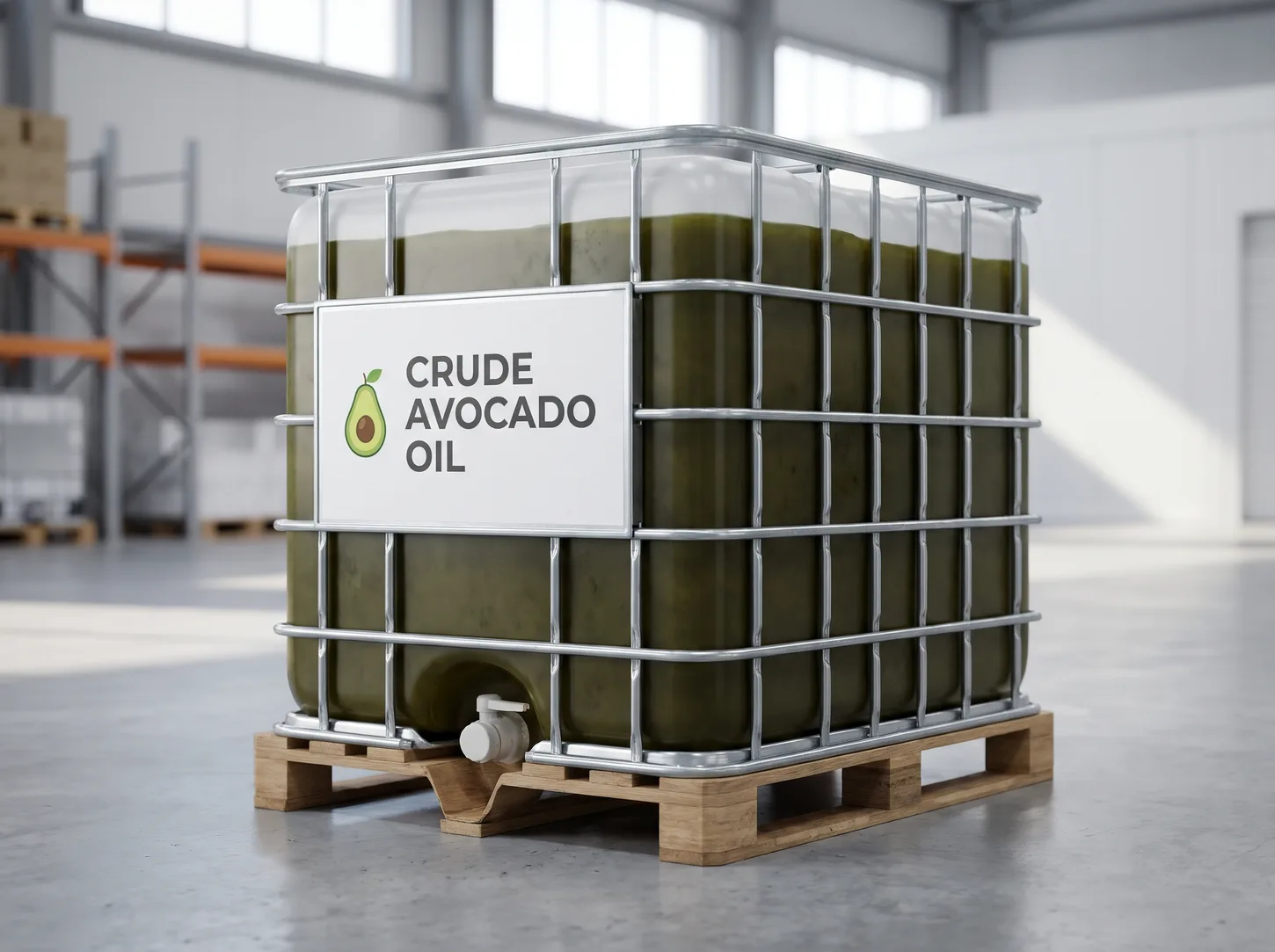
Crude avocado oil is the starting point for buyers who intend to refine the oil themselves or arrange toll refining. Imara’s crude oil is hot-pressed mechanically, without solvents. For crude Hass oil, the free fatty acid limit is no more than 5.0%. Do not treat crude oil as interchangeable with a finished refined ingredient.
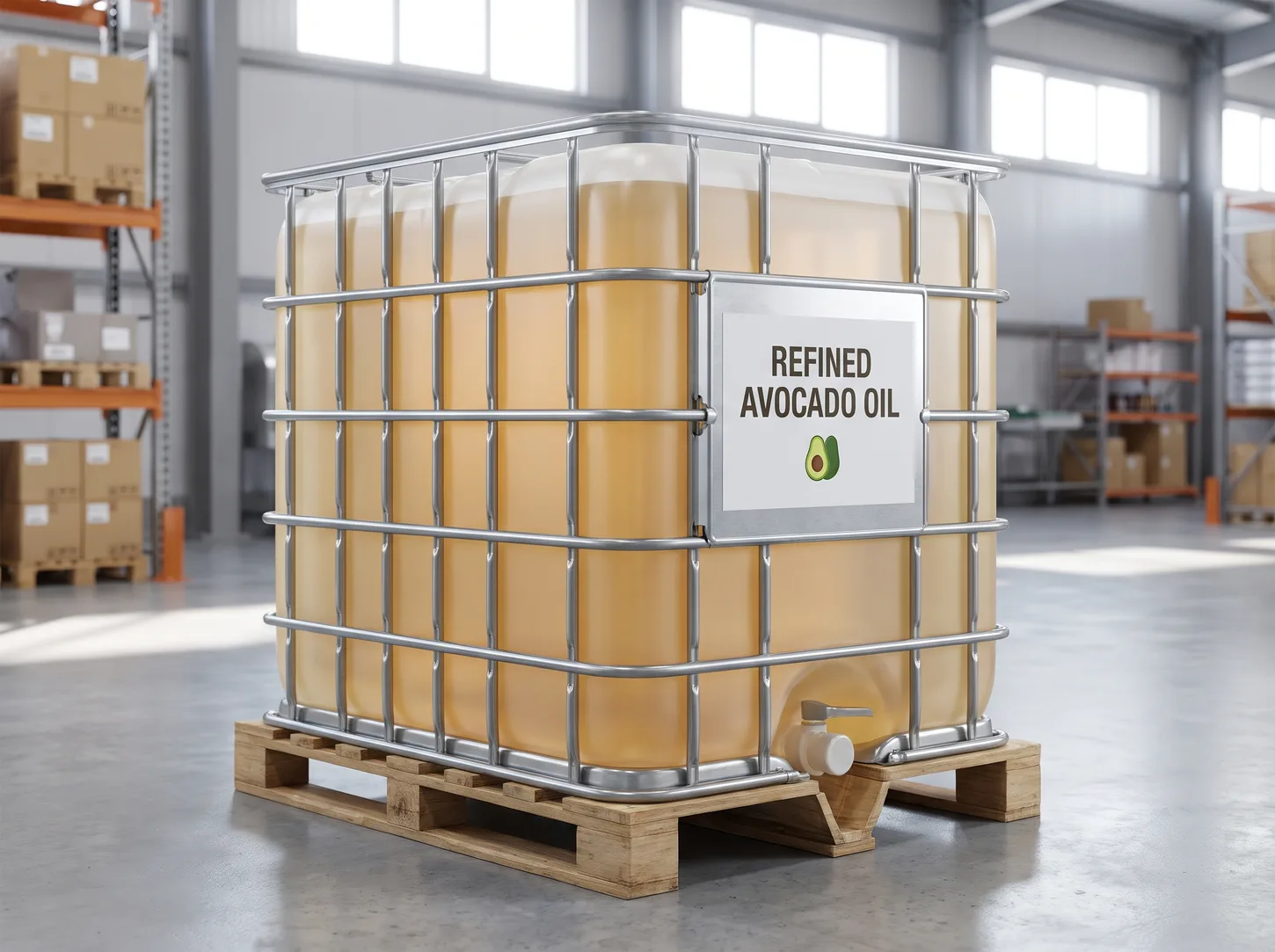
Refined avocado oil suits buyers seeking an oil that has undergone refining, bleaching and deodorising. It is made from hot-pressed, mechanically extracted oil without solvents, and its FFA limit is no more than 0.1%. Discuss the finished product’s requirements rather than relying on the word “refined” alone.
Extra virgin avocado oil is mechanically pressed and unrefined, with an FFA limit of no more than 0.8%. It is a separate purchasing choice for buyers who want an unrefined oil. Assess a sample in the intended application before agreeing the specification.
Read FFA alongside the lot documentation
FFA is a useful grade parameter, but it is not a complete description of an oil. Buyers should agree the required specification and compare it with the certificate of analysis, or COA, for the supplied lot. Imara provides a COA for every lot; the lot COA prevails at loading.
Distinguish typical characteristics from contractual limits. A general product profile can help shortlist an ingredient, but it should not replace the agreed purchasing specification. Where a particular test matters to your application or destination market, raise it before confirming the order.
Imara retains a reference sample, welcomes buyer inspection and can arrange accredited laboratory contaminant tests on request. State which tests you require so that the scope can be discussed before shipment. Inspection and testing requirements belong in the purchase conversation, not as assumptions added after loading.
Match packaging to receiving arrangements
Imara offers four bulk packaging options. The right format depends on how your site unloads, stores and transfers oil, as well as the quantity you need:
- Flexitank: approximately 23 tonnes in a 20-foot container, suited to buyers receiving a full bulk consignment.
- IBC: 1,000-litre units, worth considering where contained storage and movement suit the receiving site.
- Drum: 200-litre units, useful when the buyer needs smaller individual handling units.
- ISO tank container: an equipment option to discuss against your route and unloading arrangements.
Imara uses ISO tank containers via Mombasa. “ISO” here describes container equipment; it is not a claim that the oil or factory holds ISO certification.
Before choosing, confirm that your warehouse can receive the proposed format. An attractive packaging choice on paper is not necessarily practical if the receiving site lacks suitable access, storage space or transfer equipment. Ask for the packaging configuration to be stated in the quotation.
Confirm minimums and assess a sample
The bulk minimum is one flexitank, approximately 23 tonnes. Availability of drums or IBCs should not be read as a promise of a smaller bulk order: discuss the total quantity and packaging together through the wholesale enquiry page.
A 250 ml sample is available for initial assessment. Use it to check suitability for the proposed application, while recognising that the supplied lot remains subject to its own COA. A sample evaluation is most useful when the purchasing and production teams agree what they are assessing.
For businesses with their own crude oil, Imara’s refinery offers toll refining with a minimum of 23 tonnes of crude oil. That is a different arrangement from buying finished oil, so make clear which service you need when enquiring.
Check sourcing and registration details
Imara sources from its own and partner farms, using Hass and other avocado varieties. Farm deliveries are weighed at the gate weighbridge and the supplying farm is recorded. The sourcing information provides a starting point for buyers reviewing the supply chain.
The relevant registrations are the AFA export licence, China GACC registration and EPZ enterprise status. HS 1515.90 is the stated customs classification reference. These details serve different purposes; none should be treated as a substitute for checking your destination’s import requirements.
Organic certification is in progress. Buyers needing organic with completed certification oil should not assume that certification is already held. Clarify any mandatory certification requirement before proceeding, particularly where it affects product labelling or market access.
Agree documents and delivery responsibilities
Discuss the shipment documentation before placing an order: the COA, commercial invoice, packing list and certificate of origin should be part of that conversation. Ask your importer or customs adviser to confirm any destination-specific requirements and ensure the agreed documents match the shipment.
Available terms are EXW Thika and FOB Mombasa, with CFR or CIF on request. These are not interchangeable quotations. Each allocates transport responsibilities and costs differently, so compare offers on the same basis and specify the named place or port.
For new buyers, the commercial terms are a 50% deposit, with the balance against shipping documents. Confirm the document set and payment conditions in the written order. Keep these terms separate from your internal assumptions about arrival, customs clearance or warehouse receipt.
Plan storage before the oil arrives
Protect avocado oil from light, air and heat. Crude oil storage guidance is 15–25°C, and the stated shelf life for sealed product is 24 months. Storage arrangements deserve attention alongside transport: buying the appropriate grade does not remove the need to protect it after receipt.
Check that the chosen packaging fits your stock rotation and use pattern. Where oil will be transferred into another vessel, discuss suitable handling guidance rather than assuming the sealed-product shelf life describes oil after opening or transfer.
Send an enquiry that can become a clear order
Season 2027 bookings are open. A useful enquiry identifies the grade, intended application, quantity, preferred packaging, destination and delivery term. Include any required tests, documents or inspection arrangements, and say whether you need a sample first.
This gives both sides a basis for agreeing the specification and commercial details without leaving important questions until dispatch. Email us.
Explore all avocado oil products · Crude avocado oil · Refined avocado oil.
Frequently asked questions
Can I order a single drum as a bulk purchase?
The stated bulk minimum is one flexitank, approximately 23 tonnes. Drum and IBC packaging options do not automatically mean smaller bulk orders are available.
Does the sample replace the shipment COA?
No. A 250 ml sample supports initial assessment. Every supplied lot has its own COA, which prevails at loading.
Can a buyer inspect the oil before shipment?
Buyer inspection is welcome. Discuss its scope when ordering, together with any accredited contaminant laboratory tests required on request.