Avocado oil can serve quite different purposes in hair care: a prewash treatment, a small finishing application on the ends, or an ingredient in a formulated conditioner. The best choice depends on how you intend to use it, how much residue your hair tolerates, and whether you are buying a bottle or developing a product range.
For a brand, choosing the grade also means considering colour, aroma and the finished formula. For someone using oil at home, the more useful question is often simpler: how little can I use to get the finish I want?
Start with the use, not the label
A neat oil and a conditioner containing that oil are not interchangeable. Neat avocado oil coats the hair surface; a conditioner combines ingredients to give a particular feel, spread and rinse behaviour. Adding more oil does not necessarily make either approach better.
Decide whether you want an application that will be washed out or a finishing product that stays on the hair. That distinction helps determine both the amount and the format. Browse Imara’s avocado oil product range to compare grades, but choose a finished hair product according to its directions rather than assuming every oil listing is ready for direct cosmetic use.
Using avocado oil before washing
A prewash application suits people who want to try oil without leaving it on their hair after their normal washing routine. Begin with a small amount through the lengths, concentrating on areas that feel rough rather than saturating the whole head.
Distribute it evenly, then wash and condition as usual. There is no need to assume that a long overnight application will give a better result. If the hair feels coated after washing, reduce the amount next time or decide that a formulated conditioner is a better fit.
Keep oil away from the eyes and take care with bathroom surfaces: spilled oil can make them slippery.
A few drops on the ends
For a finishing application, start with a few drops spread across the palms and lightly smooth them over the ends. Avoid repeatedly adding oil before assessing the result. Fine hair may look weighed down quickly, while other hair textures may tolerate a little more.
Try this on a small section first, particularly if you want movement rather than a glossy, coated finish. Applying oil does not mend split ends; trimming remains the practical way to remove them.
Stop using a product if irritation occurs. For persistent scalp concerns or uncertainty about what suits your skin, seek advice from a qualified healthcare professional before continuing.
Avocado oil in conditioners
In a conditioner, avocado oil is one part of a complete formulation. The emulsifier system, other conditioning ingredients and total oil content all influence how the product spreads and rinses. The grade alone cannot predict the finished feel.
For home use, choose a conditioner formulated with avocado oil rather than adding oil to an entire bottle of an existing product. That changes the original formulation and makes performance less predictable.
For product developers, Imara’s cosmetic avocado oil options are a useful starting point for discussing the intended application. Assess samples in the actual conditioner base, including its appearance, stability and use experience, before committing to bulk supply.
Extra virgin or crude for natural-positioned ranges
Extra virgin avocado oil is mechanically pressed and unrefined. It is worth considering where a product brief values an unrefined ingredient and can accommodate its colour and aroma. Those characteristics should be assessed in a sample, especially in an unfragranced product.
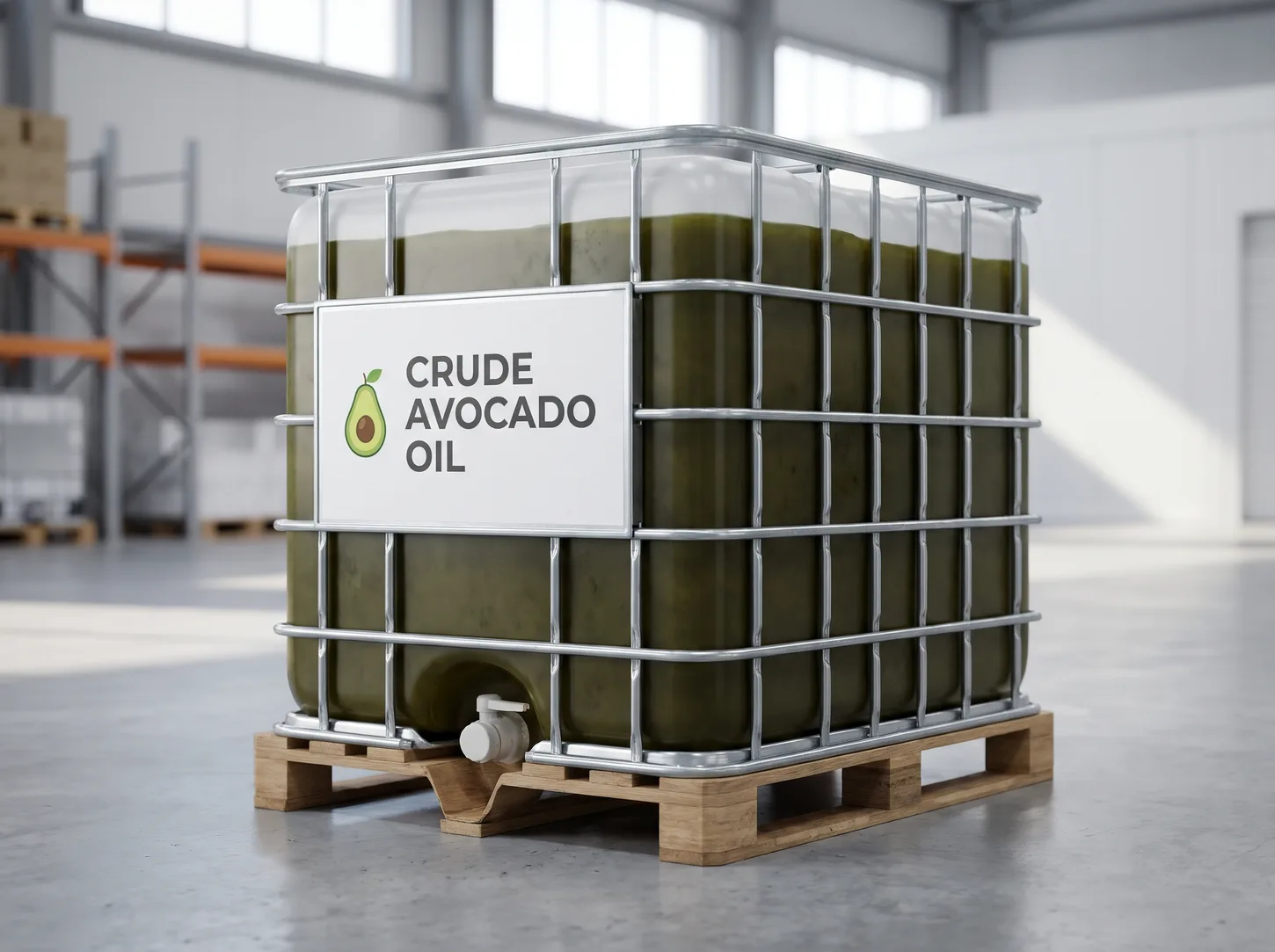
Crude avocado oil may also be considered for natural-positioned formulation briefs, but crude and extra virgin are not alternative names for the same grade. Imara’s crude oil is produced by hot-pressed mechanical extraction without solvents. Its suitability needs to be checked against the intended cosmetic specification; it should not automatically be treated as a finished leave-on product.
Neither grade warrants claims about hair growth or structural repair.
Refined oil for a more neutral formulation
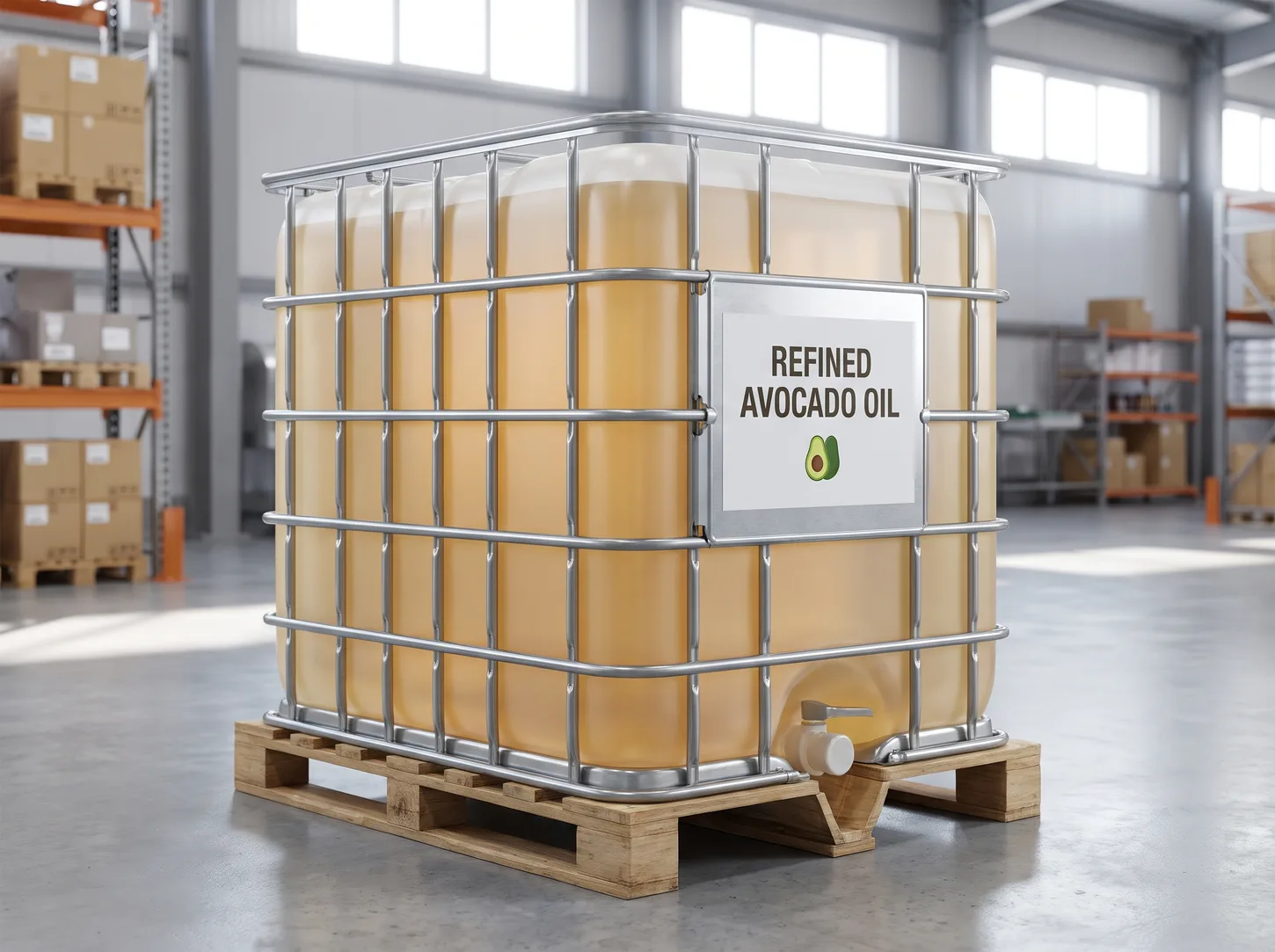
Refined avocado oil is often the more practical candidate when a formulator wants less influence from the ingredient’s own colour and aroma. It can suit a brief for a lighter-feeling conditioner or finishing product, although refining alone does not guarantee a lightweight result.
Imara’s refined oil begins with hot-pressed mechanical extraction without solvents and is refined in its own RBD refinery in Thika, Kenya. The maximum free fatty acid level is 0.1%, compared with 0.8% for extra virgin and 5.0% for crude Hass oil.
These figures help distinguish purchasing specifications. They are not a ranking of hair-care benefits, and the certificate of analysis for the supplied lot remains the relevant buying document.
Choosing bottles, sprays and bulk supply
Packaging should follow the application. A bottle can support measured dispensing for prewash use; a spray format needs assessment for distribution and control. Do not assume that a spray pack produces a fine mist or makes an oil feel lighter on hair.
Imara offers private-label avocado oil in glass and spray formats, with 250 ml, 500 ml and 1 L options and a minimum of 100 bottles per SKU. Discuss the intended hair-care use, pack suitability and labelling requirements before selecting a format. A packaging offer does not by itself establish the suitability of a finished cosmetic product.
A 250 ml sample is available for evaluation. For larger ingredient purchases, explore wholesale supply; the bulk minimum is one flexitank of approximately 23 tonnes.
What to confirm before ordering
Imara sources avocados from its own and partner farms, with farm details recorded at the gate weighbridge. Its sourcing information provides context for buyers evaluating ingredient origin. Organic certification is in progress, so do not treat the oil as organic with completed certification when preparing product claims.
Ask for the grade specification and a representative sample, then assess the oil in its intended use. Imara provides a certificate of analysis for every lot, with the lot COA prevailing at loading. A retained reference sample is kept, buyer inspection is welcome, and accredited contaminant laboratory tests are available on request.
Protect oil from light, air and heat. The sealed oil product shelf life is 24 months; this does not establish the shelf life of a conditioner or other finished formula.
To discuss a grade, sample or packaging brief for hair care, Email us.
Explore all avocado oil products · Crude avocado oil · Refined avocado oil.
Frequently asked questions
Should I apply avocado oil to wet or dry hair?
Either may suit a finishing application, depending on the desired result. Test a small amount on one section and compare the feel once dry. Follow the directions if using a formulated hair product.
Is extra virgin avocado oil always better for hair?
No. Extra virgin suits briefs that favour an unrefined ingredient. Refined oil may be more suitable where colour and aroma need to be less noticeable. The complete formula and your hair’s response matter more than the grade name.
Can I use avocado oil on my scalp?
Scalp tolerance varies, and neat oil is not a treatment for scalp conditions. Avoid irritated skin, stop if discomfort develops, and seek professional advice for persistent symptoms.
Can I trial the oil before placing a bulk order?
Yes. Imara has a 250 ml sample available. Use it to assess the relevant grade in your intended formula or application before agreeing the specification and order format.