Africa’s avocado oil opportunity is best judged through a practical question: what can a producer deliver beyond the fruit itself? For buyers, an origin becomes useful when it offers the right oil grade, clear specifications, suitable packaging and workable shipping terms. A compelling origin story cannot replace those essentials.
At Imara Avocado Factory in Thika, Kenya, the opportunity takes a concrete form: sourcing avocados, producing oil, refining it and bottling finished products in the country of origin. That gives buyers several ways to work with a Kenyan manufacturer, rather than treating Africa only as a source of raw materials.
Look beyond the promise of a new origin
Calling Africa the next frontier should not imply that every producing country, factory or shipment is interchangeable. Buyers still need to assess the individual supplier and the product intended for their application. Geography alone does not establish flavour, consistency or suitability for a formulation.
The useful distinction is between buying an origin story and buying a defined product from that origin. Imara’s avocado oil range includes crude, refined and extra virgin options, alongside routes for cooking, cosmetic and private-label requirements. Those choices make the conversation specific: which grade fits your process, and what evidence should accompany it?
More of the manufacturing can happen in Kenya
Exporting crude oil and manufacturing a bottled product are different commercial propositions. A buyer with refining facilities may want crude feedstock. A food brand may need refined oil ready for its own packing operation. Another buyer may want a finished bottle carrying its label.
Imara has its own crude oil tanks, RBD refinery and bottling facilities in Thika. These provide routes for supplying different stages of the product rather than limiting the relationship to crude exports. Buyers can explore the refinery when local refining is relevant to their procurement plan.
This is the practical meaning of retaining more manufacturing in the country of origin. It does not make every purchase simpler automatically, but it gives buyers a choice about where refining and packing take place.
Select the grade before comparing suppliers
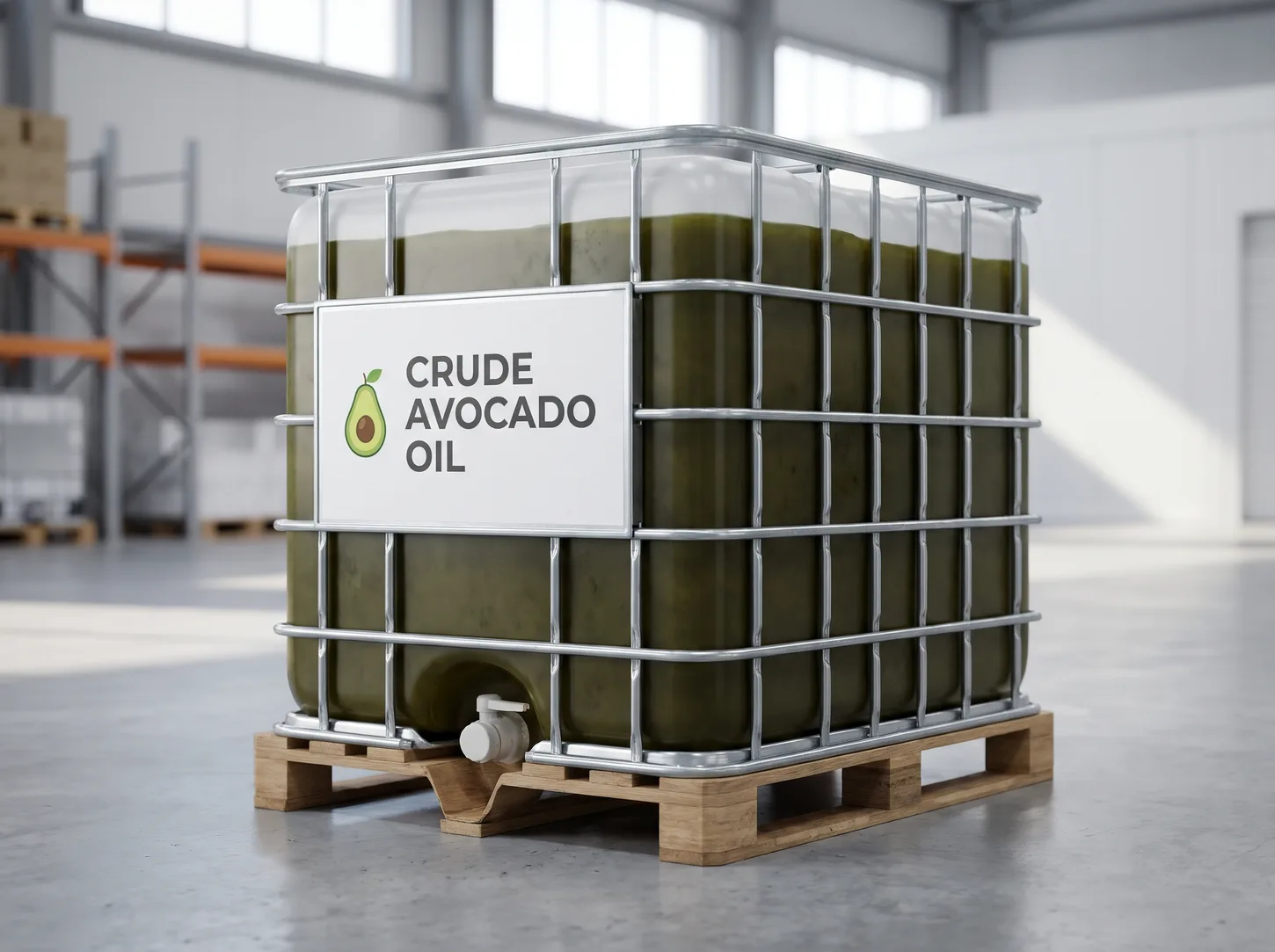
Grade selection should come before a broad comparison of origins. Crude avocado oil is relevant to buyers who need feedstock for further processing. Imara’s crude Hass specification has a free fatty acid limit of 5.0%. It should not be confused with a finished refined oil simply because both come from avocados.
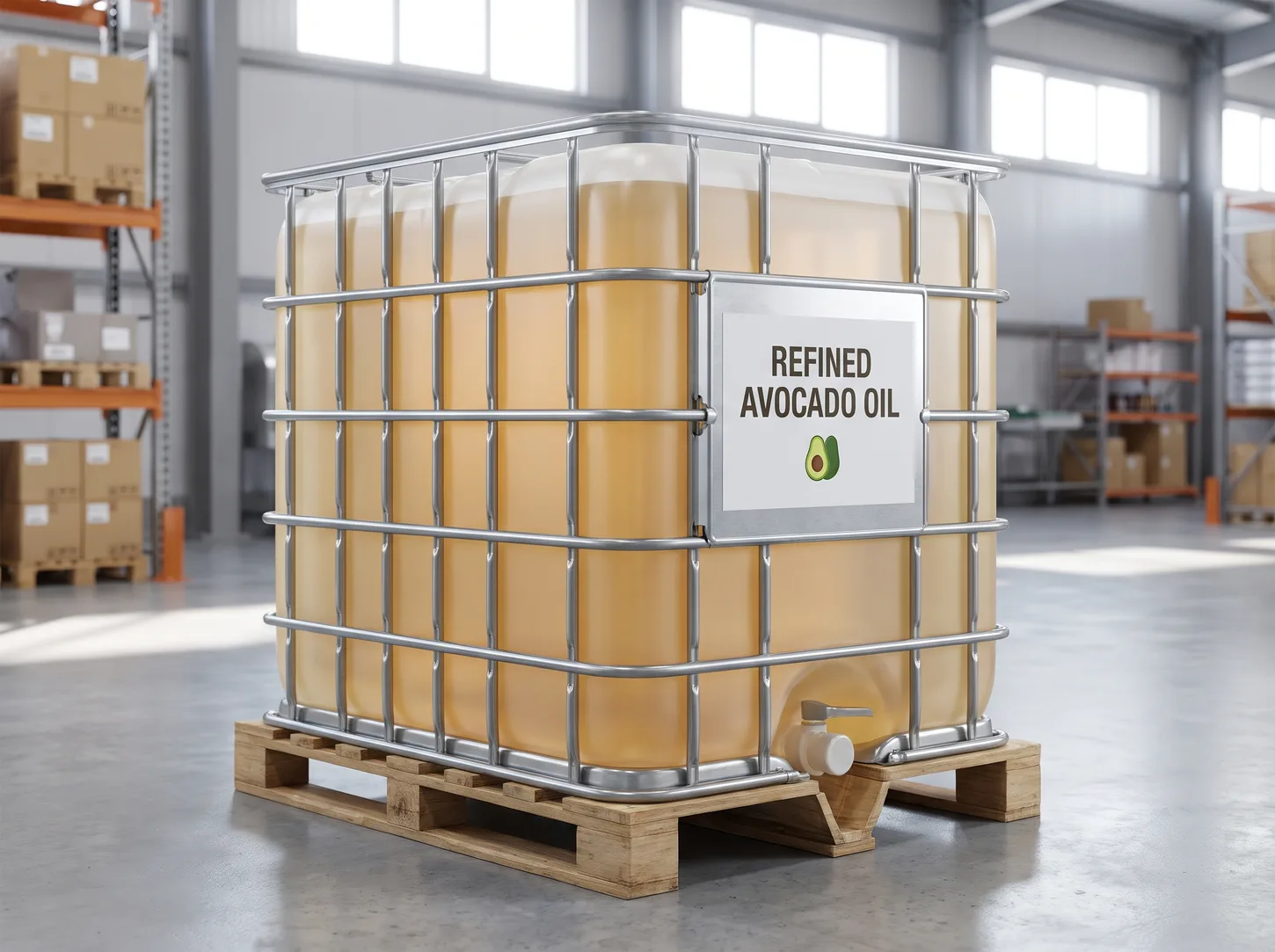
Refined avocado oil has a free fatty acid limit of 0.1%. It is the relevant starting point for buyers seeking an RBD product for an agreed food or formulation application. Imara’s crude and refined oils originate from hot-pressed mechanical extraction without solvents.
Extra virgin avocado oil is mechanically pressed and unrefined, with a free fatty acid limit of 0.8%. It offers a different product proposition, not a substitute specification for refined oil. These limits help distinguish the grades, but the certificate of analysis for the actual lot remains the document that governs acceptance at loading.
Make sourcing questions concrete
A Kenyan origin claim is more useful when a supplier can explain its sourcing arrangements. Imara uses avocados from its own and partner farms, including Hass and other varieties. At the factory gate, the weighbridge record includes the supplying farm.
That is a specific basis for a sourcing discussion, rather than a sweeping assurance about every aspect of agricultural production. Buyers should explain which origin records or variety requirements matter to their purchase and ask what documentation is available for the proposed supply.
Certification language also needs care. Imara’s organic certification is in progress. So don't put an organic claim on your label yet.
Assess the lot, not just the brochure
A supplier’s product page helps establish whether an enquiry is worth pursuing. It does not replace lot documentation. Imara provides a certificate of analysis for every lot, and that certificate prevails at loading. A retained reference sample supports the record of the supplied oil.
Buyer inspection is welcome, and accredited laboratory contaminant testing is available on request. If your acceptance criteria include particular tests, raise them during the enquiry so their availability and scope can be discussed before committing to supply.
A 250 ml sample is available for evaluation. Use it to assess suitability for the intended product rather than expecting a generic description to settle every question. For cosmetic applications, consult a qualified formulation professional about suitability, stability and the finished product’s safety assessment.
Plan the export format alongside the oil
Packaging and shipment terms affect whether an otherwise suitable oil fits your purchasing operation. Imara’s bulk options include flexitanks, 1,000-litre IBCs, 200-litre drums and ISO tank containers. A flexitank carries about 23 tonnes in a 20-foot container; the bulk minimum is one flexitank of about 23 tonnes.
Exports move via Mombasa. Supply terms include EXW Thika and FOB Mombasa, with CFR or CIF available on request. Buyers should compare quotations on the same basis and confirm which transport responsibilities sit with each party.
The wholesale supply options are therefore worth reviewing early, not after selecting the oil. For receiving and storage, protect the oil from light, air and heat; crude oil storage guidance is 15–25°C.
Build a finished brand around a defined product
African-made avocado oil need not stop at an industrial shipment. Imara’s private-label service offers glass and spray formats in 250 ml, 500 ml and 1 litre, with a minimum of 100 bottles per SKU. This is a different buying route from the bulk minimum and should be planned separately.
The starting point is still the oil: choose the grade, then discuss format and label requirements. An attractive bottle cannot resolve an unclear product specification. Buyers wanting Imara-branded bottles can instead explore Imara avocado oil, with a minimum order of five pieces.
Turn interest in Africa into a clear enquiry
The strongest case for Kenyan avocado oil is not an unsupported claim of superiority. It is the ability to discuss sourcing, processing, lot evidence, packaging and export arrangements with a manufacturer at origin.
To begin, identify your intended use, required grade, pack format, quantity and destination. Include any testing or certification requirements that could determine acceptance. That makes it possible to assess the real fit between your business and the available supply.
For help choosing a Kenyan avocado oil supply route, Email us.
Explore all avocado oil products · Crude avocado oil · Refined avocado oil.
Frequently asked questions
Does Kenyan origin alone establish oil quality?
No. Evaluate the grade, agreed specification and lot certificate of analysis. Origin provides context, but it does not replace product evidence.
Can Imara refine a buyer’s crude avocado oil?
Toll refining is available with a minimum of 23 tonnes of crude oil. Discuss the feedstock and required finished specification before arranging delivery.
Can Imara supply organic avocado oil yet?
Not yet: certification is in progress. Ask us for the current status before you plan an organic range.
Must every buyer order a bulk shipment?
No. Bulk supply, private-label bottles and Imara-branded bottles have separate minimums. Choose the purchasing route that matches how you intend to use or sell the oil.