A private label avocado oil range starts with a buying decision, not a logo. Before choosing colours or writing a brand story, decide what the oil is for, where it will be sold and what your buyer needs to know before ordering again.
Imara Avocado Factory in Thika, Kenya, has its own crude oil tanks, RBD refinery and bottling operation. That gives founders a practical starting point for discussing oil grade and pack format together. It does not remove your responsibility to check the finished product’s suitability, labelling and destination-market requirements.
Start with the shelf you want to reach
A bottle for a food retailer has a different job from an ingredient supplied to a cosmetic formulator. The retail customer needs a clear intended use and an easy-to-understand label. The formulator needs technical information that helps them assess the oil within a finished formulation.
Write a short product brief before asking for a quotation. Include your intended market, sales channel, oil grade, preferred pack and proposed claims. If any of these remain undecided, say so: comparing options is more useful than requesting a finished product around an unclear brief.
Browse the avocado oil product range to distinguish the available routes. Resist launching several grades simply to make the range look complete. Each additional product needs a reason to exist and stock you can manage.
Choose the oil before writing the story
For a culinary range, compare refined avocado oil with extra virgin avocado oil. They should not be presented as interchangeable products under different labels.
Imara’s refined avocado oil is made from hot-pressed, mechanically extracted oil without solvents and processed through its own refinery. Its free fatty acid specification is no more than 0.1%. Extra virgin avocado oil is mechanically pressed and unrefined, with free fatty acids no more than 0.8%.
Those figures are useful technical distinctions, but they are not a complete retail proposition. Assess a sample against the use you intend to describe, and build the label around the grade actually ordered. Do not infer processing conditions or certification from the word “virgin”.
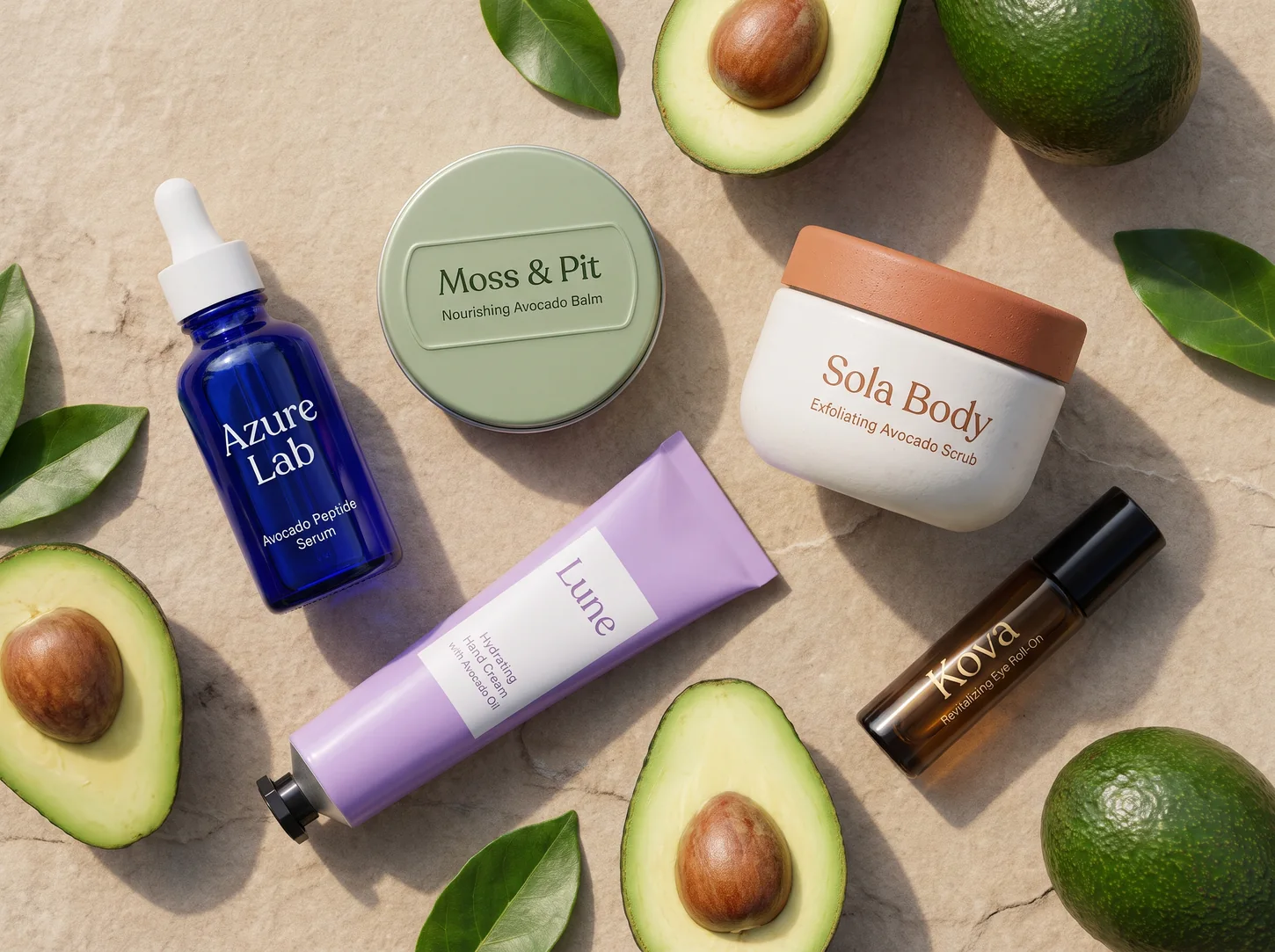
For a personal-care project, review cosmetic avocado oil separately rather than assuming a culinary bottle answers a formulator’s needs. Seek advice from a qualified cosmetic professional before making skin or hair recommendations or developing a finished personal-care product.
Make the opening range manageable
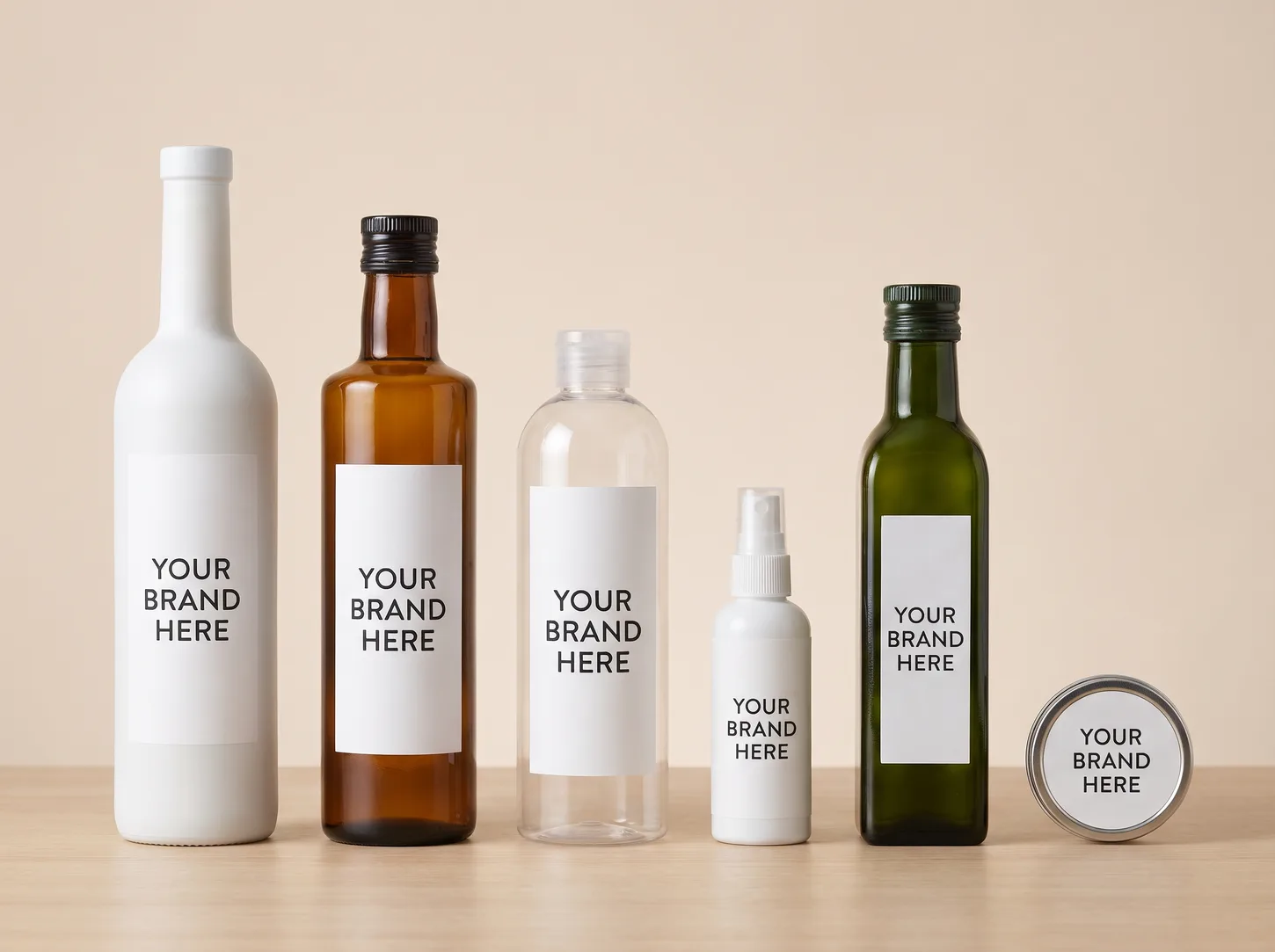
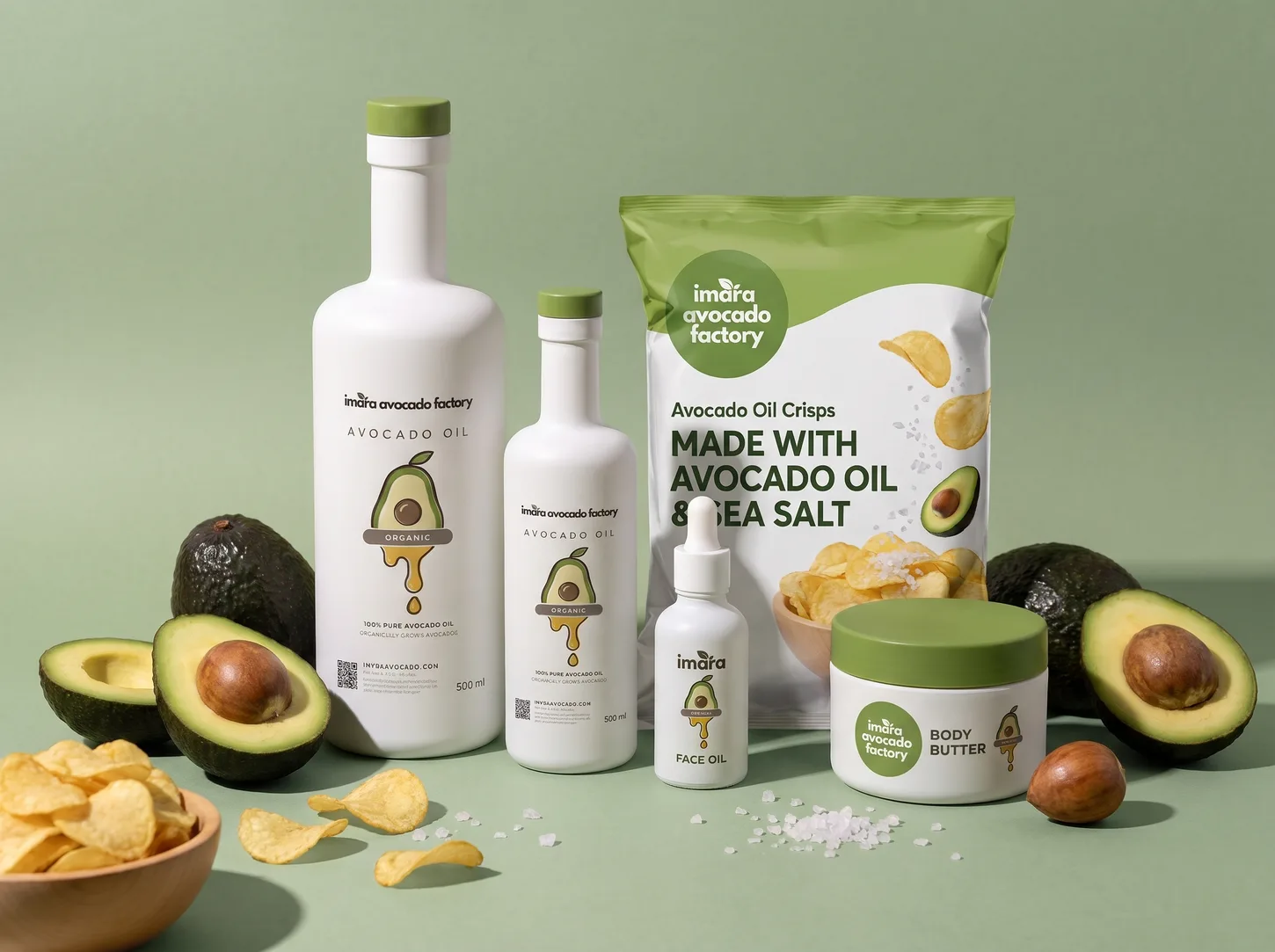
Imara’s private label avocado oil options include glass and spray formats, with 250 ml, 500 ml and 1 L sizes available. Confirm the specific bottle and dispensing combination for your chosen product before commissioning artwork.
The private label minimum is 100 bottles per SKU. Plan around it; it isn't a target for how many variants to launch. A single well-defined product may be more useful than several sizes competing for the same buyer.
Choose size around the purchase occasion. A smaller pack can suit a customer trying an unfamiliar oil; a larger pack needs a convincing place in regular use. A spray format needs clear dispensing instructions rather than copy borrowed unchanged from a pouring bottle. Check how the proposed pack will be displayed, stored and described online before committing to the range.
Use samples to settle product questions
A 250 ml sample is available. Use it to answer specific questions rather than simply deciding whether you “like” the oil. For a culinary product, assess it in the application you plan to feature and consider whether its characteristics match your intended description.
Keep sample assessment and packaging approval distinct. An oil sample does not, by itself, confirm how a particular bottle or spray format will perform. Ask which pack details need agreement before placing the order.
Imara provides a certificate of analysis for every lot, with the COA at loading prevailing. A retained reference sample is kept, buyer inspection is welcome and accredited contaminant laboratory testing is available on request. Identify any destination-specific testing requirements during enquiry so that they can be discussed explicitly.
Put verifiable information on the label
Good packaging makes the product easy to understand without stretching its claims. Give priority to the correct oil identity, quantity, intended use and storage guidance, alongside the information required in your sales market. Have the artwork checked against local rules before printing.
Avoid turning technical data into promises the oil cannot substantiate. Free fatty acid values belong in a specification discussion; they do not justify claims about health outcomes or superiority in every application. Nor should smoke-point information become a guarantee for every cooking condition.
Organic certification is in progress, so don't put an organic claim on your label yet. If an organic range is central to your launch, discuss the current position through the organic avocado oil enquiry route before building packaging around it.
Tell an origin story you can support
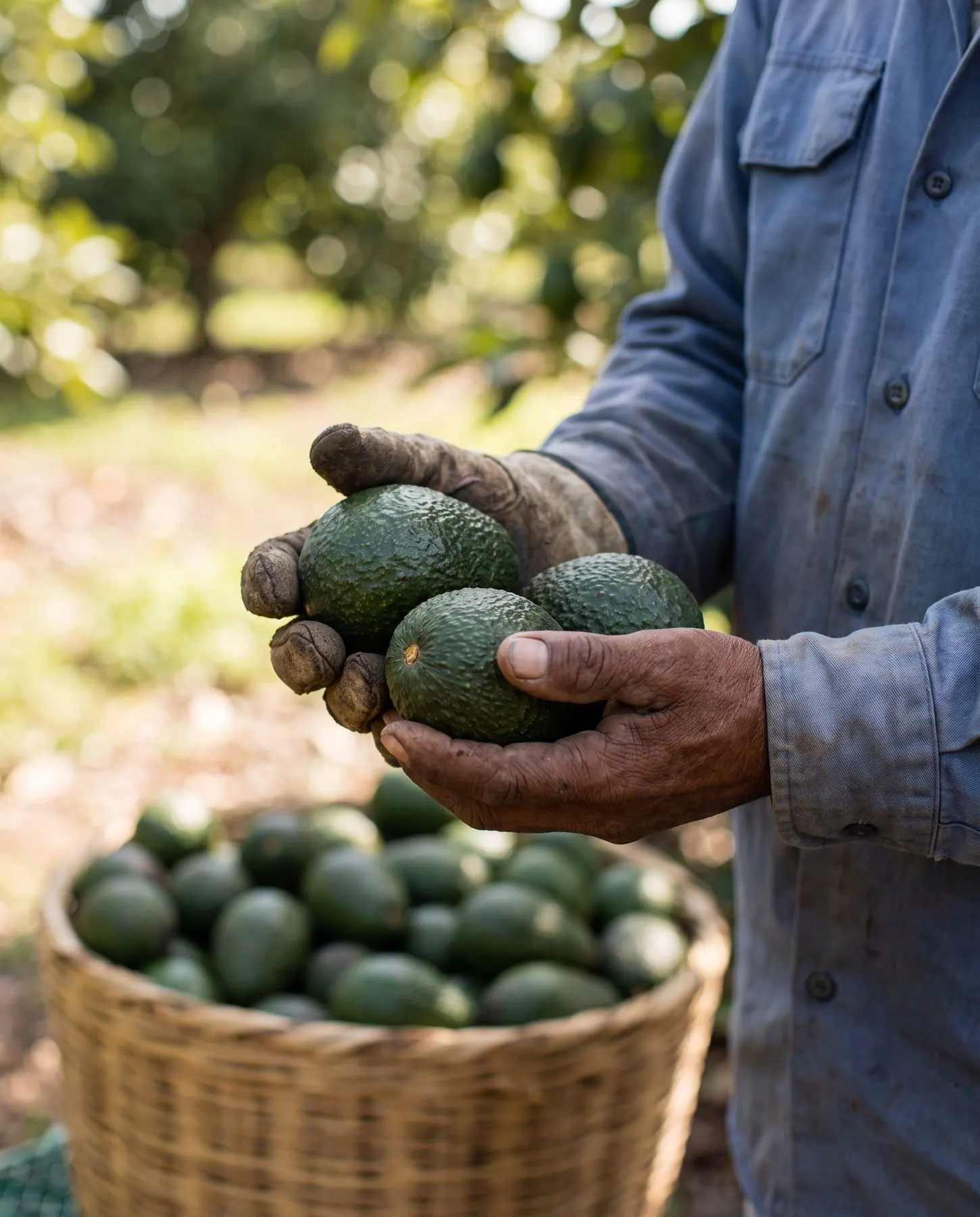
Imara sources avocados from its own and partner farms, using Hass and other varieties. Farm origin is recorded at the gate weighbridge. These are concrete details that can support an honest sourcing discussion without inventing a farm-specific story for every bottle.
Ask what origin information is applicable to your order through Imara’s sourcing page. Not every grade is exclusively Hass, and a farm can only be named on your packaging once we confirm it.
Keep registrations separate from product claims. An AFA export licence, China GACC registration and EPZ enterprise status are not substitutes for checking your own market’s import and labelling requirements.
Separate bottled orders from bulk purchasing
Private label bottling and bulk procurement are different purchasing routes. Imara’s bulk minimum is one flexitank, approximately 23 tonnes; it should not be confused with the bottled minimum per SKU. Use the wholesale route if your business needs oil for its own packing operation rather than finished branded bottles.
Available trade terms include EXW Thika and FOB Mombasa, with CFR or CIF on request. Compare quotations on the same basis so that responsibility for collection, freight and import arrangements is clear.
For new buyers, payment terms are a 50% deposit with the balance against shipping documents. Factor those terms, destination checks and freight arrangements into your launch budget rather than considering the bottle order alone.
Finish with a brief that can be quoted
Before placing an order, bring the decisions together: grade, pack, quantity per SKU, destination, artwork requirements, testing needs and trade terms. Record unresolved points rather than leaving them to assumptions.
Plan storage as carefully as presentation. Protect the oil from light, air and heat. Sealed refined and extra virgin oil keep for 24 months; for organic, shelf life is stated on each lot's COA. Plan stock rotation around those dates.
A useful first enquiry need not contain a finished brand identity. It should explain the product you want to sell and the decisions you still need help making. To discuss your private label brief, Email us.
Explore all avocado oil products · Private label bottling · Imara avocado oil.
Frequently asked questions
What is the minimum private label order?
The minimum is 100 bottles per SKU. Confirm how your proposed grades, sizes and pack variants will be counted before finalising the opening range.
Can I request oil before committing to a branded order?
A 250 ml sample is available. Explain the grade and intended application you want to assess, and ask for the sample supply terms.
Can I launch with an organic label?
Organic certification is in progress, not completed. Check the current certification position with us before approving artwork.
Do I need to buy a flexitank for private label bottles?
No. The approximately 23-tonne flexitank minimum applies to bulk purchasing. Private label bottles have a separate minimum of 100 bottles per SKU.