An avocado oil factory is best understood through the decisions it supports. A refiner needs a suitable crude feedstock. A food business needs an oil that fits its intended use. A retail brand needs the right grade, bottle and supporting documentation. Those requirements are related, but they are not interchangeable.
At Imara Avocado Factory in Thika, Kenya, the useful story is not how the building looks or sounds. It is how fruit sourcing, oil grades, refining, storage and dispatch connect to the product a buyer actually orders. Here is what those connections mean when assessing a supplier.
Fruit sourcing starts with a recorded origin
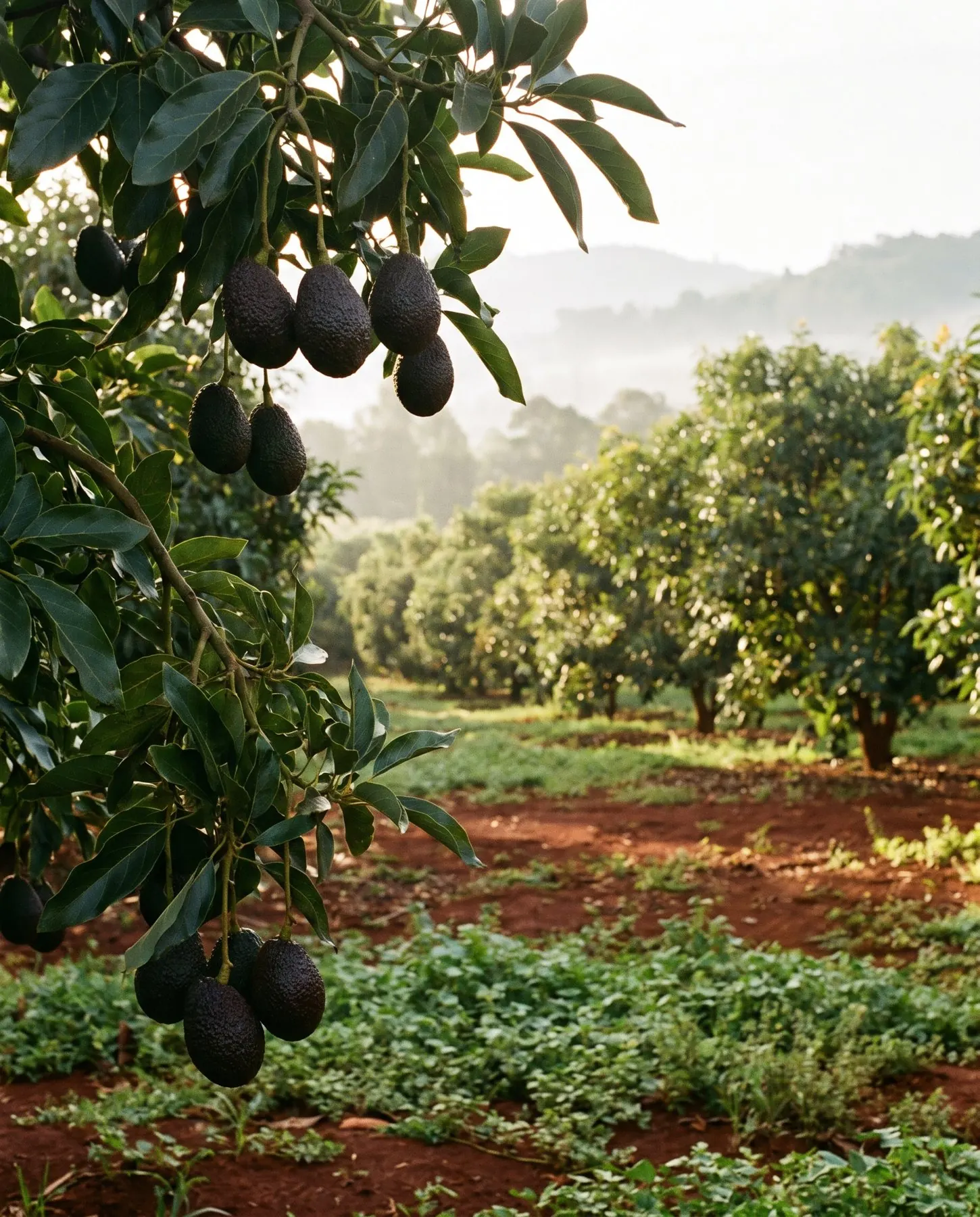
Imara sources avocados from its own farms and partner farms, using Hass and other varieties. Incoming fruit passes through the gate weighbridge, with the supplying farm recorded. That gives the sourcing discussion a concrete starting point: where the fruit came from and what was received.
For a buyer, this is more useful than a broad claim about carefully selected fruit. It allows questions about sourcing to focus on records rather than imagery. It also avoids assuming that every avocado oil order is made from the same variety.
The sourcing page provides context for this part of the business. When a particular variety matters to your purchase, make it part of the enquiry rather than treating it as an unstated feature of every grade.
Extraction and refining are different decisions
Imara’s crude and refined avocado oils come from hot-pressed mechanical extraction, without solvents. Its extra virgin avocado oil is mechanically pressed and unrefined. These descriptions distinguish the products without relying on vague language about gentleness or making an unsupported temperature claim.
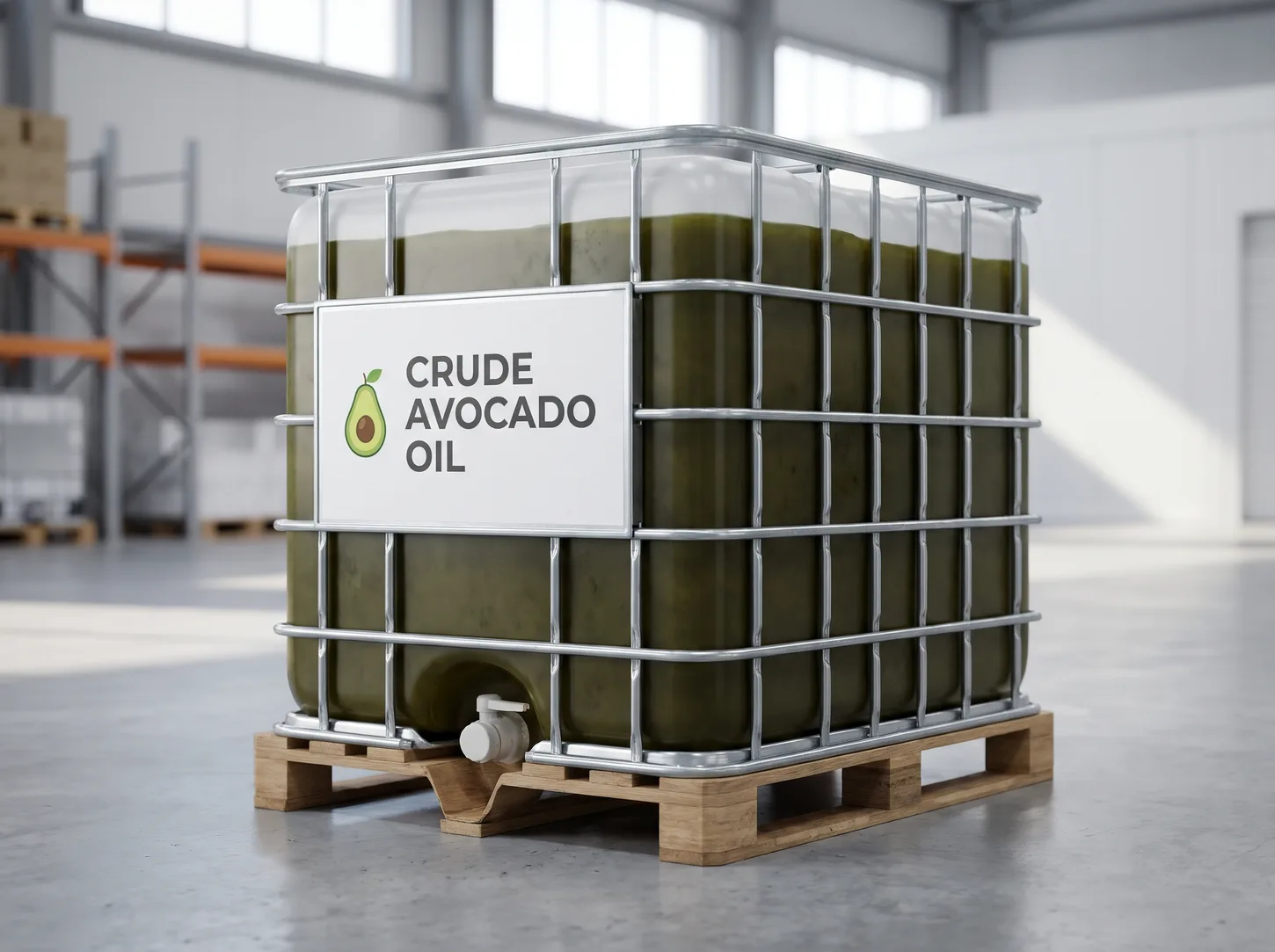
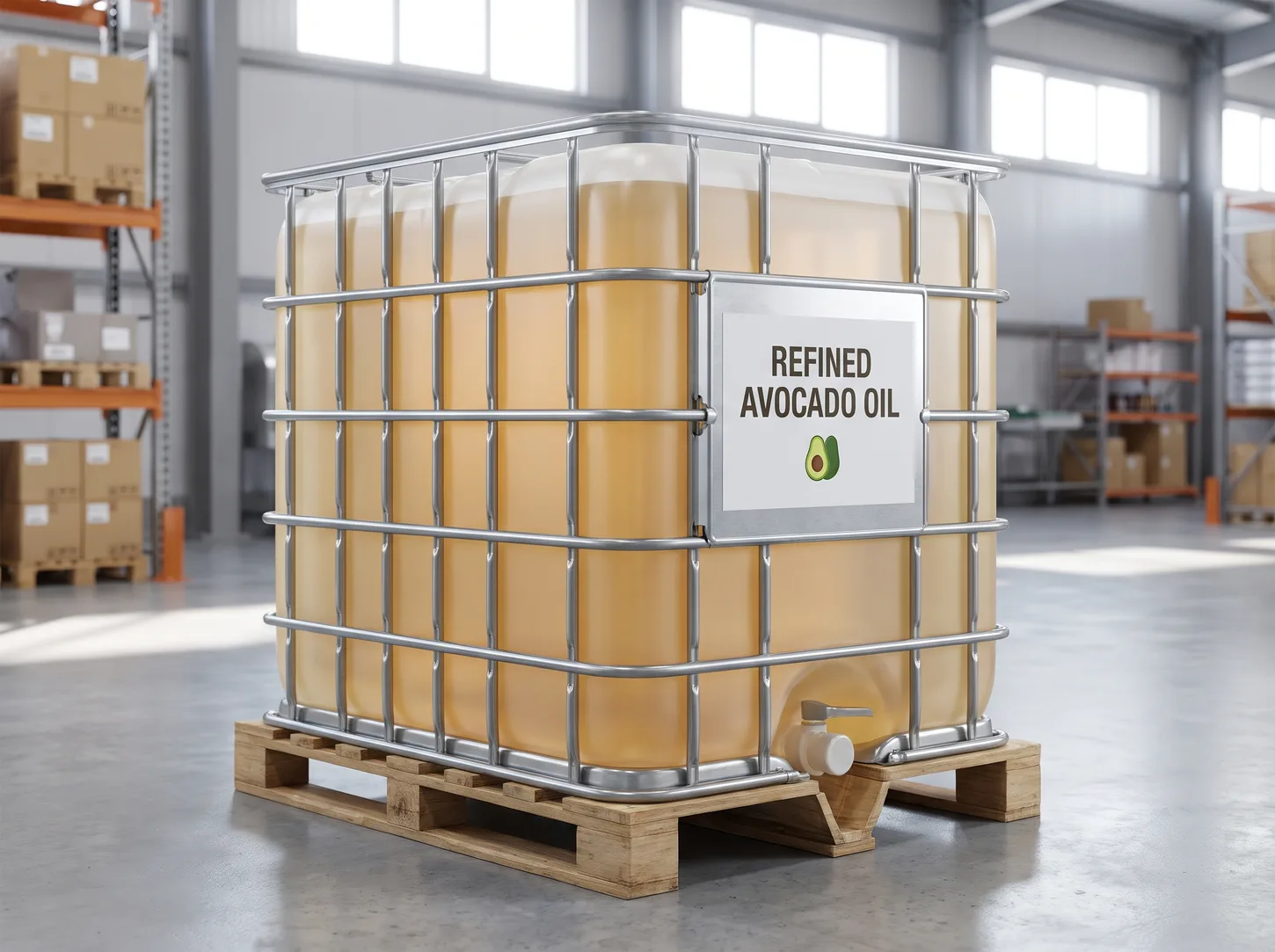
The factory has its own crude oil tanks and its own RBD refinery. RBD means refined, bleached and deodorised: a description of refining, not a separate fruit source. Having both crude storage and refining capability matters because some buyers want feedstock for further processing, while others want refined oil.
The refinery is also relevant to businesses considering toll refining. The minimum intake for that service is 23 tonnes of crude oil. Before arranging a consignment, discuss the incoming oil and the required finished specification; a service enquiry should not be treated as an automatic acceptance of any feedstock.
Choose the oil before choosing the pack
Start with the intended application, then compare the avocado oil product range. A pack size alone cannot tell you whether an oil is appropriate for refining, food production, retail or a cosmetic formulation.
For buyers seeking crude feedstock, crude avocado oil is the relevant starting point. Imara’s crude Hass specification has a free fatty acid limit of 5.0%. The corresponding limit for refined avocado oil is 0.1%, while extra virgin avocado oil has a limit of 0.8%.
Those limits help distinguish grades, but free fatty acid content is not a complete buying decision. The grade must also match the application and the agreed specification. A purchasing brief should identify what the oil will be used for, rather than asking simply for the lowest figure.
For personal-care manufacture, use the cosmetic avocado oil enquiry route and describe the formulation requirements. Finished skin or hair product suitability should be assessed with a qualified formulation or safety professional; an ingredient description does not establish suitability for every user.
Read the lot documents, not just the brochure
Imara supplies a certificate of analysis, or COA, for every lot. The COA at loading prevails, and a retained reference sample provides a reference for the supplied lot. Buyer inspection is welcome, with accredited laboratory contaminant testing available on request.
This distinction between general product information and lot documentation is important. Typical fatty acid profiles can help a technical team assess an oil, but they should not be mistaken for the measured results of a particular shipment. Likewise, a published limit and a reported result serve different purposes.
Ask which tests are included in the routine documentation and which need to be requested. If your destination market or internal approval process requires additional contaminant testing, raise that before committing to supply. A 250 ml sample is available for evaluation, but sample assessment should sit alongside the agreed specification and shipment documents.
Packaging changes how you receive and use the oil
Bulk options include flexitanks, 1,000 L IBCs, 200 L drums and ISO tank containers. A flexitank carries about 23 tonnes in a 20 ft container, and the bulk minimum is one flexitank of approximately that quantity.
The right format depends on your receiving facilities and how you intend to draw down the oil. Discuss unloading access, available storage and compatibility with your equipment before selecting a pack. The largest format is not automatically the most practical choice for every site.
Retail requirements are different. Private-label avocado oil options include glass bottles and spray formats in 250 ml, 500 ml and 1 L sizes, with a minimum of 100 bottles per SKU. Imara’s own bottled products have a minimum order of five pieces. These are distinct purchasing routes, not smaller versions of the bulk contract.
Storage and shipping belong in the buying brief
Oil needs protection from light, air and heat. For crude oil, the stated storage range is 15–25°C. Sealed refined and extra virgin oil keep for 24 months, as long as storage conditions are right and opened containers are closed again.
Packaging decisions therefore continue beyond dispatch. A buyer should consider where the oil will be held, how containers will be opened and how exposure will be limited during use. Confirm any application-specific handling requirements with the supplier.
Imara offers EXW Thika and FOB Mombasa, with CFR and CIF available on request. ISO tank containers can move via Mombasa. The wholesale page is a useful route for discussing format, destination and delivery terms together, rather than treating freight as an afterthought.
What to ask before placing an order
A useful enquiry names the oil grade, intended use, quantity, packaging and delivery destination. Add the specification and documents your team needs for approval. This gives both sides a clearer basis for discussion than a request for “premium avocado oil”.
For an organic brief, note that Imara’s organic certification is in progress. Don't plan organic labelling until it is complete.
The factory’s value becomes clearest when its capabilities match a defined requirement: crude storage for feedstock, refining for refined supply, or bottling for a retail range. To discuss your requirement, Email us.
Explore all avocado oil products · Crude avocado oil · Refined avocado oil.
Frequently asked questions
Does Imara supply only refined avocado oil?
No. The range includes crude, refined and extra virgin avocado oils, alongside options for cooking, cosmetic formulation and retail supply. Choose the grade around your intended application.
Can I evaluate the oil before a bulk order?
A 250 ml sample is available. Ask for the relevant specification as well, so your evaluation considers both practical suitability and the requirements for the eventual shipment.
What documentation accompanies a lot?
Every lot has a COA, with the COA at loading prevailing. Imara retains a reference sample. Accredited laboratory contaminant testing is available on request, and buyer inspection is welcome.
Can a small retail order use the bulk minimum?
The routes have different minimums: bulk starts at one flexitank of about 23 tonnes, private label at 100 bottles per SKU, and Imara’s own bottles at five pieces.